Are you experiencing frequent nighttime urges or a weaker urinary flow?
If you're a man over 50, these symptoms might be more than just a sign of aging; they could indicate Benign Prostatic Hyperplasia (BPH), commonly known as an enlarged prostate. Understanding the underlying causes of BPH is the first crucial step towards effective management and maintaining your quality of life.
BPH is a remarkably common condition, affecting millions of men worldwide, yet its precise origins are often misunderstood. This comprehensive guide will delve deep into the primary factors contributing to prostate enlargement, empowering you with the knowledge to recognize risks and make informed decisions about your health. We'll explore everything from hormonal shifts to lifestyle choices, shedding light on why your prostate might be growing and what you can do about it. Don't let prostate issues dictate your daily life; understanding is your most powerful defense.
The Prostate Gland: A Brief Overview
Before diving into the causes of BPH, it’s helpful to understand the prostate gland itself and its vital role in male reproductive health.
The prostate is a small, walnut-sized gland located just below the bladder and in front of the rectum. It surrounds the urethra, the tube that carries urine from the bladder out of the body, as well as semen. Its primary function is to produce seminal fluid, which nourishes and transports sperm. Throughout a man’s life, the prostate undergoes two main growth periods. The first occurs during puberty, when the prostate doubles in size. The second phase of growth typically begins around age 25 and continues throughout most of a man’s life. It is this second growth phase that can sometimes lead to Benign Prostatic Hyperplasia.
When the prostate gland enlarges, it can press on the urethra, leading to a variety of urinary symptoms. These symptoms, collectively known as Lower Urinary Tract Symptoms (LUTS), can range from mild to severe and significantly impact a man’s quality of life. Understanding that the prostate is a dynamic organ, constantly influenced by various internal and external factors, is key to grasping why BPH develops.
💡 Key Takeaway
Benign Prostatic Hyperplasia (BPH) is a non-cancerous prostate enlargement primarily linked to aging and hormonal changes, impacting millions of men over 50 by compressing the urethra and causing bothersome urinary symptoms.
Primary Causes of Benign Prostatic Hyperplasia
While the exact cause of BPH isn't fully understood, research points to several key factors that contribute to its development.
The most significant and undeniable factor contributing to BPH is **aging**. As men get older, the cells in the prostate gland begin to multiply more rapidly, leading to its enlargement. This process is almost universal; microscopic evidence of BPH can be found in 50% of men in their 50s, and this percentage climbs to over 80% by the time men reach their 80s. It’s a natural part of the male aging process, much like graying hair or wrinkles, though not all men will develop symptomatic BPH.
Another critical determinant is **hormonal changes**. The prostate's growth and function are heavily reliant on hormones, particularly testosterone and its potent derivative, dihydrotestosterone (DHT). As men age, the balance of these hormones shifts. While testosterone levels may decline, DHT levels in the prostate often remain high or even increase, stimulating prostate cell growth. Furthermore, estrogen, which is present in men, also plays a role. As testosterone levels drop with age, estrogen levels may rise relatively, potentially making prostate cells more sensitive to the effects of DHT. This complex interplay of hormones is believed to be a major driver of prostatic enlargement.
Beyond these two primary factors, several other elements are recognized as significant contributors:
Genetic Predisposition and Family History
Your **genetics** can play a substantial role in your risk of developing BPH. If close male relatives, such as your father or brothers, experienced BPH, especially at an earlier age, your likelihood of developing the condition increases. This suggests that certain genes may influence prostate growth patterns or hormonal metabolism, making some men more susceptible to the condition. While you can't change your genes, being aware of a family history can prompt earlier discussions with your doctor and proactive lifestyle choices.
Lifestyle Factors: Obesity and Diet
Modern research increasingly highlights the impact of **lifestyle choices** on prostate health. **Obesity** is a well-established risk factor for BPH. Men with a higher body mass index (BMI) tend to have elevated levels of estrogen and insulin-like growth factors, both of which can stimulate prostate cell growth. Additionally, fat tissue can convert testosterone into estrogen, further disrupting the hormonal balance in favor of prostate enlargement.
Your **diet** also plays a role. Diets high in red meat, dairy products, and saturated fats have been linked to an increased risk of BPH, while diets rich in fruits, vegetables, and healthy fats (like those found in fish and nuts) are associated with a lower risk. These plant-based foods often contain antioxidants and anti-inflammatory compounds that may protect prostate cells. Regular physical activity, conversely, is associated with a lower risk of BPH and can help manage weight, further reducing risk factors.
Chronic Inflammation and Oxidative Stress
**Chronic inflammation** within the prostate gland is gaining recognition as a significant contributor to BPH. Inflammatory processes can lead to cellular damage and abnormal cell growth. Factors like infections, environmental toxins, and even dietary choices can trigger or exacerbate prostate inflammation. Persistent inflammation can create a microenvironment that encourages cellular proliferation, contributing to the overall enlargement of the gland. Supporting a healthy inflammatory response is therefore crucial for prostate health. For those interested in natural ways to support against inflammation, you might find valuable information on prostate-inflammation-supplement.html.
**Oxidative stress**, an imbalance between free radicals and antioxidants in the body, can also damage prostate cells and contribute to BPH progression. A diet rich in antioxidants can help combat this stress.
Other Medical Conditions
Several other **medical conditions** have been associated with an increased risk of BPH:
- Diabetes: Men with diabetes are more likely to develop BPH, possibly due to hormonal imbalances and systemic inflammation associated with the condition.
- Heart Disease: Conditions like heart disease and circulatory problems, particularly those affecting blood flow, have been linked to BPH. This connection might stem from shared risk factors such as obesity, inflammation, and metabolic syndrome.
- Erectile Dysfunction: While not a direct cause, there's a strong correlation between BPH and erectile dysfunction, suggesting common underlying physiological mechanisms or risk factors.
Understanding these multifaceted causes underscores the importance of a holistic approach to prostate health, encompassing not just targeted treatments but also lifestyle modifications and general well-being.
How BPH Impacts Your Life
The enlargement of the prostate gland, while benign, can significantly impact a man's daily life due to the resulting urinary symptoms.
Frequent Urination
One of the most common and disruptive symptoms is the need to urinate more frequently, especially at night (nocturia). This can interrupt sleep patterns, leading to fatigue and reduced daytime productivity.
Weak or Interrupted Stream
As the enlarged prostate compresses the urethra, the flow of urine can become weak, hesitant, or stop and start. This makes urination a longer and more effortful process, often leaving a feeling of incomplete bladder emptying.
Urgency and Incontinence
Some men experience a sudden, strong urge to urinate, making it difficult to delay. In severe cases, this urgency can lead to urge incontinence, where urine leaks before reaching a toilet, causing embarrassment and limiting social activities.
Risk of Complications
Untreated BPH can lead to more serious complications, including urinary tract infections (UTIs), bladder stones, bladder damage, and in rare cases, kidney damage due to chronic urinary retention. Early intervention is crucial.
Diagnosis and Management of BPH
If you're experiencing symptoms of BPH, it's crucial to consult a healthcare professional for an accurate diagnosis and to rule out other conditions like prostate cancer.
Diagnosis typically involves a physical exam, including a digital rectal exam (DRE) to feel the prostate, and a review of your medical history and symptoms. Your doctor may also recommend a **Prostate-Specific Antigen (PSA) blood test**. While a high PSA level can indicate prostate cancer, it can also be elevated due to BPH or inflammation. Understanding how to support healthy PSA levels is important, and you can find more information on psa-level-support-supplement.html.
Management strategies for BPH vary depending on the severity of symptoms and their impact on your quality of life. For mild symptoms, **watchful waiting** may be recommended, along with lifestyle modifications. These can include reducing fluid intake before bed, avoiding caffeine and alcohol, regular exercise, and maintaining a healthy weight. For more bothersome symptoms, medical treatments are available, including alpha-blockers to relax bladder neck muscles, 5-alpha reductase inhibitors to shrink the prostate, or combination therapies. In some cases, minimally invasive procedures or surgery may be considered.
Complementary approaches, such as **natural supplements**, are also explored by many men seeking to support their prostate health. Ingredients like Saw Palmetto, Beta-Sitosterol, and Pygeum Africanum have been studied for their potential to reduce BPH symptoms and support prostate function. It's important to discuss any supplements with your doctor to ensure they are safe and appropriate for your individual health needs. While natural supplements are generally well-tolerated, it's always wise to be informed about potential interactions or prostadefend-side-effects.html.
Supporting Your Prostate Health Naturally
While aging is inevitable, there are proactive steps you can take to support your prostate health and potentially mitigate the symptoms of BPH.
Embrace a Prostate-Friendly Diet
Focus on a diet rich in fruits, vegetables, and whole grains. Incorporate foods high in lycopene (tomatoes), omega-3 fatty acids (fish), and zinc (nuts, seeds). Limit red meat, processed foods, and excessive dairy, which can contribute to inflammation.
Regular Physical Activity
Engage in at least 30 minutes of moderate-intensity exercise most days of the week. Physical activity helps maintain a healthy weight, improves circulation, and can reduce inflammation, all beneficial for prostate health.
Maintain a Healthy Weight
Obesity is a significant risk factor for BPH. Achieving and maintaining a healthy BMI can help balance hormones and reduce systemic inflammation, easing the burden on your prostate.
Stay Hydrated (Smartly)
Drink plenty of water throughout the day, but try to limit fluid intake a few hours before bedtime to reduce nocturia. Avoid excessive caffeine and alcohol, which can irritate the bladder.
Consider Natural Supplements
Specific natural ingredients have been shown to support prostate health. These include Saw Palmetto, Beta-Sitosterol, Pygeum Africanum, and various vitamins and minerals. Always consult your doctor before adding supplements to your routine.
Regular Check-ups
Don't skip your annual physicals. Regular visits to your doctor allow for early detection of prostate issues and timely intervention, which can prevent symptoms from worsening and reduce the risk of complications.
ProstaDefend: Natural Ingredients for Prostate Support
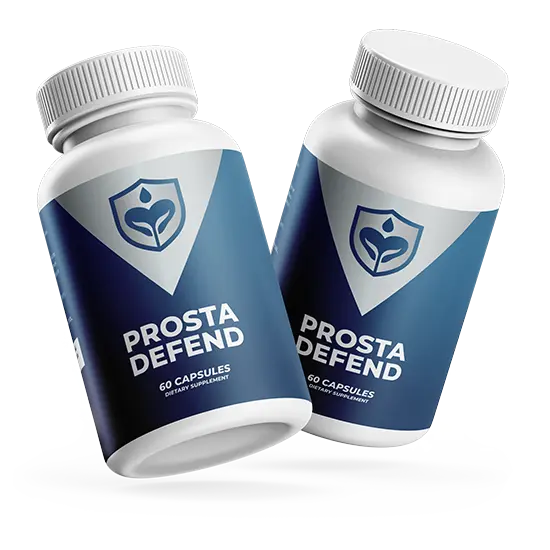
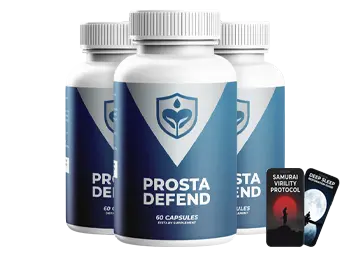
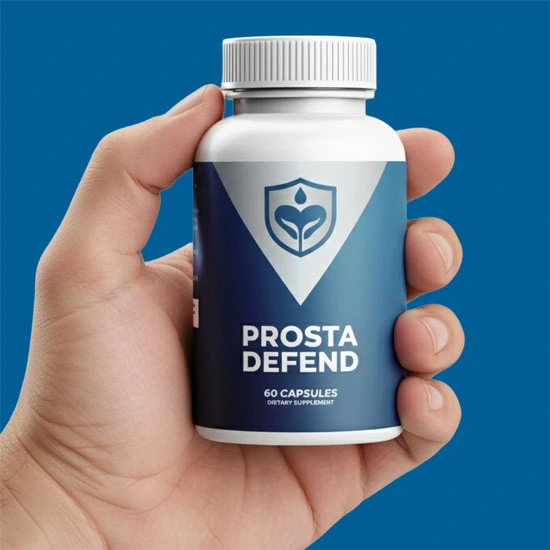
ProstaDefend is formulated with a blend of natural ingredients carefully selected for their traditional use and scientific backing in supporting prostate health and alleviating BPH symptoms. As part of a holistic approach, it aims to help men maintain urinary comfort and prostate size.
Saw Palmetto Extract
Role: Widely recognized for its ability to support healthy prostate size and urinary flow. It may help inhibit the conversion of testosterone to DHT, a key hormone in prostate growth.
Beta-Sitosterol
Role: A plant sterol found in many plant foods, Beta-Sitosterol is known to improve urinary flow and reduce residual urine volume, offering relief from common BPH symptoms.
Pygeum Africanum Bark Extract
Role: Traditionally used to reduce inflammation and swelling in the prostate. It may also help improve urinary function, including flow rate and nighttime urination.
Stinging Nettle Root
Role: Often used in combination with Saw Palmetto, Nettle root helps support healthy prostate cell growth and may contribute to reducing BPH symptoms, particularly in improving urinary flow.
Zinc
Role: An essential mineral highly concentrated in the prostate gland. Adequate zinc levels are crucial for prostate health and may help inhibit prostate cell proliferation.
Lycopene
Role: A potent antioxidant found in tomatoes, Lycopene is associated with a reduced risk of prostate issues and helps protect prostate cells from oxidative damage.
Green Tea Extract (EGCG)
Role: Rich in catechins, particularly EGCG, which possess strong antioxidant and anti-inflammatory properties, supporting overall cellular health in the prostate.
Vitamin D3
Role: Emerging research suggests Vitamin D plays a crucial role in regulating prostate cell growth and differentiation, supporting a healthy prostate environment.
Experience the Difference with ProstaDefend
Take charge of your prostate health today. ProstaDefend offers a comprehensive blend of natural ingredients designed to support a healthy prostate, improve urinary function, and enhance your overall well-being. Don't let BPH symptoms control your life any longer.
- ✓ Supports healthy prostate size
- ✓ Promotes normal urinary flow
- ✓ Reduces nighttime bathroom trips
- ✓ All-natural, science-backed ingredients
- ✓ Made in USA, GMP Certified




What Our Customers Say
"I was constantly getting up at night, sometimes 4-5 times. After starting ProstaDefend, it's down to 1-2 times, and I feel so much more rested. My stream is stronger too!"
"I was skeptical, but the improvement in my urinary urgency has been remarkable. I can now go out without constantly worrying about finding a bathroom. This product really works for me."
"My doctor mentioned my prostate was slightly enlarged, and I wanted to try a natural approach. ProstaDefend has been great. No side effects, and I feel like my prostate health is well supported."
Frequently Asked Questions
What is Benign Prostatic Hyperplasia (BPH)?
+BPH is a common, non-cancerous enlargement of the prostate gland that affects men as they age. It can lead to bothersome urinary symptoms such as frequent urination, weak stream, and difficulty emptying the bladder.
Is BPH a form of cancer?
+No, BPH is not cancer and does not increase your risk of prostate cancer. However, the symptoms of BPH can be similar to those of prostate cancer, so it's essential to get a proper diagnosis from a healthcare professional.
What are the primary risk factors for developing BPH?
+The two main risk factors for BPH are aging and the presence of functioning testicles (hormonal influence). Genetics, obesity, diabetes, and heart disease also play significant roles in its development.
Can lifestyle changes help prevent or manage BPH?
+While BPH is largely age-related, certain lifestyle modifications can help manage symptoms and potentially slow progression. These include maintaining a healthy weight, regular exercise, a balanced diet, limiting caffeine and alcohol, and managing stress.
How does ProstaDefend support prostate health?
+ProstaDefend is a natural supplement formulated with ingredients like Saw Palmetto, Beta-Sitosterol, and Pygeum Africanum bark extract, which are traditionally used to support prostate size, reduce inflammation, and improve urinary function. It's designed to complement a healthy lifestyle.
When should I see a doctor about BPH symptoms?
+You should consult a doctor if you experience any persistent urinary symptoms, such as difficulty urinating, frequent urges, weak stream, or pain. Early diagnosis and management are key to preventing complications and improving quality of life.
Related Articles