Is Your Diet Supporting or Sabotaging Your Prostate Health?
For men, maintaining a healthy prostate is a cornerstone of overall well-being, particularly as they age. One of the most significant factors influencing prostate health, often overlooked, is diet. What you choose to put on your plate every day can have a profound impact on the health of your prostate gland, especially in relation to conditions like Benign Prostatic Hyperplasia (BPH).
Benign Prostatic Hyperplasia, or BPH, affects millions of men worldwide, leading to uncomfortable urinary symptoms that can significantly diminish quality of life. While many factors contribute to BPH, emerging research consistently highlights the powerful role of nutrition. Adopting a prostate-friendly diet isn't just about preventing problems; it's about actively managing symptoms and promoting long-term vitality for this vital gland.
Understanding Benign Prostatic Hyperplasia (BPH) and Diet
Before diving into specific foods, it's essential to understand what BPH is and why diet plays such a critical role in its management.
The prostate is a small, walnut-shaped gland located just below the bladder in men. Its primary function is to produce seminal fluid, which nourishes and transports sperm. As men age, it's common for the prostate gland to enlarge, a condition known as Benign Prostatic Hyperplasia (BPH). This enlargement can compress the urethra, the tube that carries urine from the bladder out of the body, leading to a variety of uncomfortable urinary symptoms. These symptoms can include frequent urination (especially at night), difficulty starting urination, a weak urine stream, dribbling at the end of urination, and a feeling of incomplete bladder emptying.
While BPH is not prostate cancer and does not increase the risk of cancer, its symptoms can significantly impact a man's quality of life. The exact cause of BPH isn't fully understood, but it's believed to be linked to hormonal changes that occur as men get older, particularly an increase in dihydrotestosterone (DHT) and an imbalance between estrogen and testosterone. Chronic inflammation, oxidative stress, and metabolic factors also play a significant role in the progression of BPH.
This is where diet becomes incredibly important. A diet rich in anti-inflammatory foods and antioxidants can help combat the underlying processes that contribute to prostate enlargement. Conversely, a diet high in pro-inflammatory foods can exacerbate these issues, potentially worsening BPH symptoms and accelerating its progression. By making conscious dietary choices, men can actively support their prostate health and potentially alleviate the discomfort associated with BPH.
Many men are surprised to learn how much control they have over their prostate health through simple, consistent dietary changes. It's not about strict deprivation but rather about making informed choices that nourish your body and specifically support your prostate gland.
💡 Key Takeaway
Diet is a powerful, often underestimated tool in managing Benign Prostatic Hyperplasia (BPH). By focusing on anti-inflammatory, antioxidant-rich foods and avoiding pro-inflammatory culprits, men can significantly impact their prostate health and alleviate bothersome urinary symptoms.
Foods to Embrace: Building a Prostate-Friendly Diet
Incorporating specific foods into your daily diet can provide a powerful defense against prostate issues. These foods are packed with nutrients known to reduce inflammation, balance hormones, and offer antioxidant protection.
Tomatoes and Other Red Fruits
Lycopene, a powerful antioxidant found abundantly in tomatoes, watermelon, and pink grapefruit, is particularly beneficial for prostate health. Lycopene helps reduce the risk of prostate enlargement and may even slow the progression of BPH. Cooking tomatoes (e.g., in sauces or paste) enhances the bioavailability of lycopene, making it easier for your body to absorb. Aim for several servings per week.
Berries
Strawberries, blueberries, raspberries, and blackberries are bursting with antioxidants, particularly anthocyanins and vitamin C. These compounds help combat oxidative stress and inflammation, two key factors in the development and progression of BPH. Regular consumption of berries can protect prostate cells from damage and support overall cellular health.
Leafy Green Vegetables
Spinach, kale, collard greens, and Swiss chard are nutritional powerhouses. They are rich in vitamins (C, E, K), minerals, and antioxidants that play a crucial role in reducing inflammation throughout the body, including the prostate. Their high content of chlorophyll also offers detoxifying benefits, contributing to a healthier internal environment.
Fatty Fish
Salmon, mackerel, sardines, and tuna are excellent sources of omega-3 fatty acids. These essential fats are renowned for their potent anti-inflammatory properties, which can be highly beneficial in managing BPH. Omega-3s help reduce inflammation in the prostate gland and support cardiovascular health, indirectly benefiting prostate function. Aim for at least two servings per week.
Nuts and Seeds
Pumpkin seeds, sunflower seeds, almonds, and walnuts are packed with prostate-friendly nutrients. Pumpkin seeds, in particular, are rich in zinc, a mineral vital for prostate health. Zinc deficiency has been linked to prostate enlargement. These seeds also contain beneficial plant compounds and healthy fats that support hormonal balance and reduce inflammation. Learn more about how to support your body's zinc levels by reading our article on PSA Level Support Supplements.
Green Tea
Green tea contains powerful antioxidants called catechins, specifically epigallocatechin gallate (EGCG), which have been studied for their potential role in prostate health. EGCG may help inhibit the growth of prostate cells and reduce inflammation. Regular consumption of green tea, in moderation, can be a beneficial addition to your prostate-protective diet.
Cruciferous Vegetables
Broccoli, cauliflower, cabbage, and Brussels sprouts contain compounds like sulforaphane and indole-3-carbinol. These compounds are known for their anti-cancer properties and their ability to support detoxification pathways in the body. They may help modulate hormone levels and reduce the risk of prostate issues by promoting healthy cell growth.
Whole Grains
Oats, brown rice, quinoa, and whole wheat bread are excellent sources of fiber. A high-fiber diet helps regulate blood sugar, promotes healthy digestion, and can influence hormone metabolism, all of which indirectly support prostate health. Fiber also aids in maintaining a healthy weight, which is another crucial factor in BPH management.
Foods to Limit or Avoid: Protecting Your Prostate
Just as certain foods can boost prostate health, others can contribute to inflammation and hormonal imbalances, potentially worsening BPH symptoms. Reducing or eliminating these items is a critical step in a prostate-friendly diet.
Red and Processed Meats
High consumption of red meat (beef, pork, lamb) and processed meats (sausage, bacon, deli meats) has been linked to an increased risk of prostate problems. These meats can contain high levels of saturated fat and compounds formed during high-temperature cooking (heterocyclic amines or HCAs) that may contribute to inflammation and oxidative stress in the prostate. Opt for leaner protein sources like poultry, fish, or plant-based proteins.
High-Fat Dairy Products
Some studies suggest a link between high intake of dairy products, particularly high-fat varieties, and an increased risk of BPH progression. This may be due to hormones present in dairy or its potential to increase insulin-like growth factor 1 (IGF-1), which can stimulate prostate cell growth. Consider reducing dairy intake or opting for low-fat or plant-based alternatives.
Sugary Drinks and Refined Carbs
Foods and drinks high in sugar and refined carbohydrates (white bread, pasta, sugary cereals) can lead to spikes in blood sugar and insulin levels, which may promote inflammation and contribute to weight gain. Obesity is a known risk factor for BPH. Limiting these items helps maintain stable blood sugar and a healthier inflammatory response.
Excessive Alcohol and Caffeine
While moderate alcohol consumption might have some benefits, excessive intake can dehydrate the body and irritate the bladder, potentially worsening BPH symptoms like frequent urination. Similarly, caffeine acts as a diuretic and can irritate the bladder, leading to increased urinary urgency and frequency. Moderation is key for both.
Trans Fats and Fried Foods
Found in many processed snacks, fast food, and fried items, trans fats are highly inflammatory and can contribute to oxidative stress throughout the body, including the prostate. They are detrimental to cardiovascular health and overall cellular function. Avoiding these unhealthy fats is crucial for a prostate-friendly diet.
High-Sodium Foods
A diet high in sodium can lead to fluid retention, which may increase pressure on the bladder and worsen BPH symptoms. Many processed foods, canned goods, and restaurant meals are loaded with sodium. Opt for fresh, whole foods and season with herbs and spices instead of excessive salt.
Beyond Diet: Holistic Approaches to Prostate Health
While nutrition forms the bedrock of prostate health, a truly holistic approach encompasses several other crucial lifestyle factors.
Adopting a prostate-friendly diet is an excellent start, but optimal prostate health, especially when managing Benign Prostatic Hyperplasia (BPH), requires a broader perspective. Our bodies function as interconnected systems, and therefore, several lifestyle factors work synergistically with diet to support the prostate gland. Ignoring these can undermine even the best dietary efforts.
Stay Hydrated, Wisely
Adequate water intake is vital for overall health, including flushing toxins from the body and maintaining kidney function. However, for men with BPH, it’s not just about how much you drink, but when. Avoiding large amounts of fluids, especially caffeinated or alcoholic beverages, in the hours before bedtime can significantly reduce nocturnal urination (nocturia), a common and disruptive BPH symptom. Sip water throughout the day rather than chugging large quantities at once. This strategy helps manage bladder capacity and prevents overfilling.
Regular Physical Activity
Exercise is a powerful tool for reducing inflammation, maintaining a healthy weight, and improving cardiovascular health, all of which positively impact the prostate. Studies suggest that men who are physically active have a lower risk of BPH. Even moderate exercise, like brisk walking for 30 minutes most days of the week, can make a significant difference. Pelvic floor exercises (Kegels) can also strengthen the muscles that support bladder control, offering relief from some BPH symptoms.
Maintain a Healthy Weight
Obesity is a well-established risk factor for BPH and can worsen its symptoms. Excess body fat, particularly around the abdomen, can alter hormone levels (like testosterone and estrogen) and promote chronic inflammation, both of which are detrimental to prostate health. By combining a healthy diet with regular exercise, achieving and maintaining a healthy weight becomes a powerful strategy for BPH management. This also links back to dietary choices, as a diet rich in whole foods and low in processed items naturally supports weight management.
Manage Stress Effectively
Chronic stress can have a profound impact on physical health, including the prostate. When the body is under stress, it releases hormones like adrenaline and cortisol, which can affect the nervous system and potentially worsen urinary symptoms associated with BPH. Finding healthy ways to manage stress—such as meditation, yoga, deep breathing exercises, spending time in nature, or engaging in hobbies—is crucial. Reducing stress can help relax pelvic muscles and improve overall urinary function.
Prioritize Quality Sleep
Sleep is when the body repairs and regenerates. Poor sleep quality or insufficient sleep can disrupt hormone balance and increase inflammation, negatively affecting prostate health. For men with BPH, nocturia can severely impact sleep. Implementing strategies like fluid restriction before bed, creating a comfortable sleep environment, and addressing sleep disorders can improve sleep quality, which in turn supports the body’s natural healing processes and prostate health.
By integrating these lifestyle factors with a well-chosen diet, men can create a comprehensive strategy for **proactive prostate care** and significantly improve their quality of life, especially when dealing with conditions like BPH. Remember, consistency in these habits yields the best long-term results.
Top Dietary Benefits for Prostate Wellness
A prostate-friendly diet offers a multitude of advantages that extend beyond just the prostate, contributing to overall male health and vitality.
Reduces Inflammation
Many prostate issues, including BPH, are linked to chronic inflammation. A diet rich in antioxidants and omega-3 fatty acids from fruits, vegetables, and fatty fish actively combats inflammation, soothing the prostate gland and potentially reducing swelling and discomfort. This anti-inflammatory effect is crucial for long-term prostate health.
Balances Hormones
Hormonal imbalances, particularly changes in testosterone and estrogen levels, are key drivers of BPH. Certain foods, especially those high in zinc, selenium, and plant sterols, can help modulate hormone production and metabolism, promoting a healthier hormonal environment for the prostate. This can slow down prostate growth.
Provides Antioxidant Protection
Oxidative stress, caused by free radicals, can damage prostate cells and contribute to disease progression. A diet high in antioxidant-rich foods like berries, green tea, and colorful vegetables provides a strong defense against this damage, protecting cellular integrity and function.
Supports Urinary Function
By reducing inflammation and swelling, and potentially improving bladder muscle tone, a healthy diet can directly lead to improved urinary flow, reduced urgency, and less frequent nighttime urination. This significantly enhances comfort and quality of life for men with BPH symptoms.
Promotes Overall Well-being
The same dietary principles that benefit the prostate also support heart health, brain function, and energy levels. A prostate-friendly diet is typically nutrient-dense, leading to better digestion, stable blood sugar, and a stronger immune system, contributing to a more vibrant and healthier life overall.
When Diet Isn't Enough: The Role of Targeted Supplements
While a healthy diet is foundational, even the most meticulous eating habits can sometimes fall short in providing optimal levels of every prostate-supporting nutrient.
In our modern world, factors like soil depletion, food processing, and individual metabolic variations can make it challenging to consistently obtain all the necessary vitamins, minerals, and phytonutrients solely through diet. For men actively seeking to manage Benign Prostatic Hyperplasia (BPH) symptoms or proactively support their prostate health, a targeted dietary supplement can play a crucial complementary role.
Supplements are designed to provide concentrated doses of specific ingredients that have been clinically studied for their benefits to prostate health. These often include herbal extracts, vitamins, and minerals known to reduce inflammation, modulate hormone levels, and support urinary function. They can act as a powerful adjunct to a healthy lifestyle, helping to fill nutritional gaps and provide an extra layer of support.
However, it's vital to choose a high-quality supplement that uses natural, well-researched ingredients and is produced in a reputable facility. Not all supplements are created equal, and some may contain fillers or ineffective dosages. When selecting a supplement, look for transparency in ingredients and manufacturing processes.
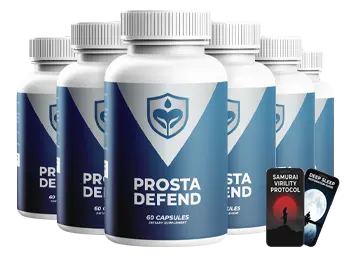
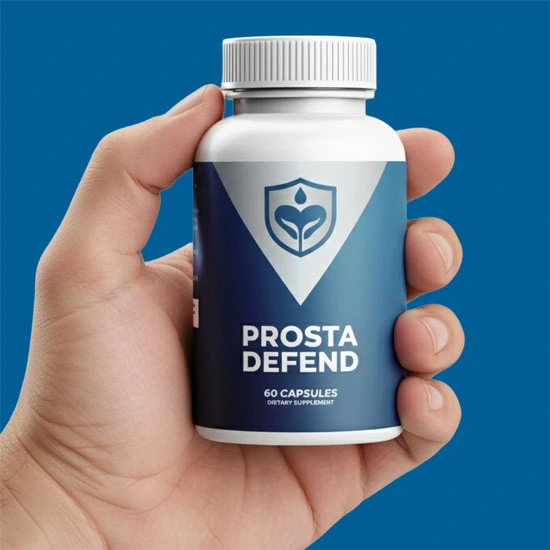
One such solution that stands out for its comprehensive approach to prostate health is ProstaDefend. Formulated with a blend of natural ingredients, ProstaDefend is designed to work synergistically with a healthy diet and lifestyle, providing targeted support for urinary function, prostate size, and overall prostate well-being. It's crafted to be a supportive component of your regimen, not a replacement for healthy living. For more information on how natural compounds can help, you might also find our article on How to Reduce Prostate Inflammation Naturally helpful.
ProstaDefend: Key Ingredients for Prostate Support
ProstaDefend is formulated with a powerful blend of natural ingredients, each carefully selected for its scientifically-backed role in supporting prostate health and alleviating BPH symptoms. Here are some of the core components:
Saw Palmetto Extract
Role: A cornerstone of prostate health, Saw Palmetto is widely recognized for its ability to inhibit the enzyme 5-alpha-reductase, which converts testosterone into DHT. High DHT levels are strongly associated with prostate enlargement. It helps reduce urinary symptoms like frequent urination and weak stream, promoting better bladder emptying.
Beta-Sitosterol
Role: This plant sterol is a key player in supporting urinary flow and reducing BPH symptoms. Beta-Sitosterol has been shown to improve urinary stream, decrease residual urine volume, and reduce nighttime urination. It works by reducing inflammation and potentially inhibiting prostate cell growth, making it a powerful ally for prostate comfort.
Zinc
Role: An essential mineral, zinc is crucial for numerous bodily functions, including immune health and hormone regulation. The prostate gland contains a high concentration of zinc, and deficiencies have been linked to prostate enlargement. Zinc helps maintain normal prostate size and function, contributing to healthy cellular processes.
Pygeum Africanum Bark
Role: Derived from the African plum tree, Pygeum extract has been traditionally used to treat urinary disorders. It contains phytosterols that help reduce inflammation, improve bladder elasticity, and decrease prostate cell proliferation. This leads to better urinary flow and reduced urgency, offering significant relief from BPH symptoms.
Stinging Nettle Root
Role: Often combined with Saw Palmetto, Stinging Nettle root extract is known for its anti-inflammatory properties and its ability to interfere with the binding of DHT to prostate cells. It supports healthy urinary flow and helps reduce the discomfort associated with an enlarged prostate, complementing other ingredients for comprehensive support.
Green Tea Extract
Role: Rich in powerful antioxidants called catechins (especially EGCG), Green Tea Extract helps combat oxidative stress and inflammation within the prostate. It may also play a role in modulating hormone pathways, contributing to cellular health and providing protective effects against prostate cell overgrowth.
By combining these potent ingredients, ProstaDefend offers a multi-faceted approach to supporting prostate health, addressing various aspects of BPH to promote comfort and long-term well-being. For a deeper dive into how ProstaDefend compares to other options, consider reading our article on Best Supplement for Enlarged Prostate: ProstaDefend vs. Competitors.
Ready to Naturally Support Your Prostate Health?
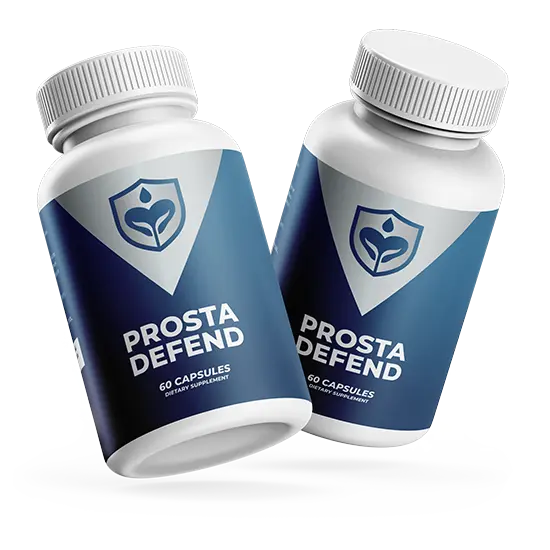
While a prostate-friendly diet is crucial, sometimes your body needs an extra boost. ProstaDefend offers a premium, all-natural solution designed to complement your healthy lifestyle. Formulated with clinically-backed ingredients, ProstaDefend helps you take a proactive step towards optimal prostate wellness.
- ✓ Supports healthy urinary function
- ✓ Helps reduce frequent urges to urinate
- ✓ Promotes normal prostate size
- ✓ Formulated with natural, powerful ingredients
- ✓ Made in an FDA-registered, GMP-certified facility



What Our Customers Say About ProstaDefend
"I've tried numerous supplements over the years for my BPH, but ProstaDefend truly stands out. My nighttime trips to the bathroom have significantly decreased, and I feel like I'm finally getting a full night's sleep. It's made a real difference in my quality of life."
"My doctor recommended I look into diet and lifestyle changes for my enlarged prostate. After a few weeks of eating better and taking ProstaDefend, I noticed a much stronger stream and less urgency. I feel more confident and comfortable throughout the day. Highly recommend this product!"
"As a researcher, I'm always skeptical, but the ingredients in ProstaDefend are well-supported by science. I decided to give it a try, and I'm genuinely impressed. It's helped me maintain my prostate health alongside my dietary changes. My prostate feels healthier, and my energy is up."
Frequently Asked Questions
How does diet specifically impact prostate health?
+A balanced diet rich in fruits, vegetables, and healthy fats can significantly reduce inflammation, oxidative stress, and hormonal imbalances, all of which are linked to prostate issues like Benign Prostatic Hyperplasia (BPH). Conversely, diets high in red meat, processed foods, and unhealthy fats can exacerbate these problems.
What are the best foods to include in a prostate-friendly diet?
+Key foods include tomatoes (rich in lycopene), fatty fish (omega-3s), berries (antioxidants), leafy green vegetables (vitamins, minerals), nuts and seeds (zinc, selenium), and green tea (catechins). These foods provide essential nutrients that protect prostate cells and support overall urological function.
Which foods should I avoid or limit to protect my prostate?
+It's advisable to limit or avoid red and processed meats, high-fat dairy products, sugary drinks, refined carbohydrates, excessive alcohol, and trans fats. These can contribute to inflammation, oxidative stress, and hormonal disruption, potentially worsening BPH symptoms and increasing prostate health risks.
Can lifestyle changes beyond diet also help with BPH?
+Absolutely. Alongside a prostate-friendly diet, regular exercise, maintaining a healthy weight, reducing stress, ensuring adequate sleep, and staying well-hydrated are crucial. These factors work synergistically to improve overall health, reduce inflammation, and support healthy urinary function, complementing the benefits of a good diet.
How long does it take to see improvements in prostate health from dietary changes?
+While individual results vary, many men report noticeable improvements in energy levels and general well-being within a few weeks of adopting a healthier diet. Significant changes in prostate-specific symptoms, such as urinary flow or frequency, may take several months of consistent dietary and lifestyle modifications. Consistency is key.
Is a dietary supplement like ProstaDefend necessary if I already eat healthily?
+Even with a healthy diet, it can be challenging to obtain optimal levels of all prostate-supporting nutrients. A high-quality supplement like ProstaDefend can provide targeted support, filling nutritional gaps with ingredients known for their benefits to prostate health, such as Saw Palmetto, Beta-Sitosterol, and Zinc. It acts as a complementary measure to a good diet and lifestyle, not a replacement.
Related Articles