Are You Prioritizing Your Prostate Health After 60?
As men enter their golden years, the topic of prostate health often comes to the forefront. It's a natural part of aging, yet many men feel unprepared or uninformed about what to expect and how to maintain their well-being. Understanding the changes your prostate may undergo is not just about managing symptoms; it's about preserving your quality of life and ensuring long-term health.
This comprehensive guide, reviewed by Dr. Elizabeth Martin, M.D., a Board-Certified Urologist, will delve into the essential aspects of prostate health for men over 60, with a particular focus on Benign Prostatic Hyperplasia (BPH). We’ll explore symptoms, diagnosis, and a range of management strategies, empowering you to take proactive steps towards optimal prostate well-being.

The Prostate Gland: A Vital Part of Male Anatomy
Before diving into specific conditions, it's essential to understand what the prostate is and its role in the male reproductive system.
The prostate is a small, walnut-sized gland located just below the bladder and in front of the rectum. It surrounds the urethra, the tube that carries urine and semen out of the body. The primary function of the prostate is to produce seminal fluid, a milky fluid that nourishes and transports sperm. While small, its health significantly impacts a man's urinary and sexual function, particularly as he ages. For men over 60, the prostate often begins to undergo changes that can lead to common, yet often bothersome, symptoms. These changes are a natural part of the aging process, but understanding them is the first step towards effective management and maintaining a high quality of life. Ignoring prostate health can lead to discomfort, disrupted sleep, and even more serious complications down the line. Therefore, proactive engagement with your health and regular check-ups become increasingly important.
💡 Key Takeaway
The prostate, a small but critical gland, plays a vital role in male urinary and reproductive health. As men age, it's prone to changes, making proactive health awareness and management essential, especially after 60.
Understanding Benign Prostatic Hyperplasia (BPH)
The most common prostate condition affecting men over 60 is Benign Prostatic Hyperplasia, or BPH. It's crucial to understand that BPH is not prostate cancer, nor does it increase your risk of developing prostate cancer. However, the symptoms can be similar, which is why medical evaluation is always recommended.
BPH is characterized by the non-cancerous enlargement of the prostate gland. As the prostate grows, it can press on the urethra, leading to a variety of urinary symptoms. The exact cause of BPH isn't fully understood, but it's believed to be linked to hormonal changes that occur as men age, particularly changes in testosterone and estrogen levels. The prevalence of BPH dramatically increases with age: about 50% of men in their 50s experience BPH, and this figure rises to nearly 90% by their 80s. The impact of BPH on daily life can range from mild annoyance to severe disruption, affecting sleep, social activities, and overall well-being. Recognizing the symptoms early and seeking appropriate medical advice is paramount. While it's a benign condition, untreated BPH can sometimes lead to complications such as urinary tract infections, bladder stones, or even kidney damage in severe cases. Therefore, understanding BPH and its potential effects is the cornerstone of effective prostate health management in later life. It's not just about comfort; it's about preventing further health issues. Many men tolerate symptoms for too long, unaware that effective solutions exist to improve their quality of life significantly.
Recognizing the Common Symptoms of BPH
The symptoms of BPH are often referred to as Lower Urinary Tract Symptoms (LUTS) and can vary in severity. Being aware of these signs can help you identify when it's time to speak with a healthcare professional.
Frequent Urination
Feeling the need to urinate more often than usual, especially bothersome at night (nocturia), which can disrupt sleep patterns and lead to fatigue.
Weak Urine Stream
A noticeably weaker or slower urine flow, often requiring more effort to empty the bladder. This is a classic sign of urethral compression.
Difficulty Starting
Hesitancy or straining to begin urination, even when feeling a strong urge. This can be frustrating and cause delays in public restrooms.
Dribbling
Post-void dribbling, where urine continues to trickle out after you think you've finished, leading to wet underwear and potential skin irritation.
Incomplete Emptying
A persistent feeling that your bladder hasn't been completely emptied, even after urinating. This can lead to more frequent trips to the bathroom.
Urgency
A sudden, compelling need to urinate that is difficult to postpone. This can lead to anxiety and impact social activities or travel plans.
It's important to remember that these symptoms can also be indicative of other conditions, including urinary tract infections, bladder issues, or even prostate cancer. Therefore, self-diagnosis is not recommended. Instead, consider these symptoms as a signal to seek medical advice for proper diagnosis and treatment. Early intervention can significantly improve outcomes and relieve discomfort.
Diagnosing BPH: What to Expect at the Doctor's
If you're experiencing symptoms that suggest BPH, your doctor will likely conduct a thorough evaluation to confirm the diagnosis and rule out other conditions.
The diagnostic process typically begins with a detailed discussion of your medical history and symptoms. Your doctor may ask you to complete a symptom questionnaire, such as the International Prostate Symptom Score (IPSS), which helps assess the severity of your symptoms and how they impact your quality of life. This subjective assessment is crucial for understanding your personal experience. Following this, a physical examination will likely be performed. The most common component is a Digital Rectal Exam (DRE), where the doctor gently inserts a gloved, lubricated finger into the rectum to feel the prostate gland. This allows them to assess its size, shape, and texture, checking for any abnormalities or tenderness. While it might be uncomfortable, it's a quick and vital part of the examination. Blood tests are also standard. A Prostate-Specific Antigen (PSA) test measures the level of PSA in your blood. Elevated PSA levels can indicate prostate enlargement, inflammation, or prostate cancer. It's important to note that a high PSA doesn't automatically mean cancer, but it does warrant further investigation. Your doctor will interpret your PSA level in the context of your age, family history, and other factors. A urinalysis may also be conducted to check for infection or blood in the urine, which could point to other urinary tract issues. For a more comprehensive assessment of urinary flow, tests like uroflowmetry (measuring the speed of your urine stream) and post-void residual (PVR) volume (measuring how much urine remains in your bladder after you void) might be recommended. These tests provide objective data on how well your bladder and prostate are functioning. In some cases, especially if there's uncertainty or a need for more detailed imaging, your doctor might suggest an ultrasound of the kidneys and bladder, or even a transrectal ultrasound of the prostate. The goal of these diagnostic steps is to accurately determine the cause of your symptoms, enabling your doctor to formulate the most effective treatment plan tailored to your specific needs. Don't hesitate to ask questions during this process; being informed is key to participating actively in your healthcare decisions.
Key Pillars of Prostate Health for Men Over 60
Maintaining prostate health after 60 involves a multi-faceted approach, combining lifestyle choices, dietary habits, and proactive medical engagement. Here are the core pillars:
Balanced Nutrition
Adopt a diet rich in fruits, vegetables, whole grains, and lean proteins. Foods high in antioxidants, omega-3 fatty acids, and zinc are particularly beneficial. Limiting red meat, processed foods, and excessive dairy can also contribute positively to prostate well-being. A diet focused on plant-based foods can reduce inflammation.
Regular Physical Activity
Engage in moderate exercise most days of the week. Physical activity helps maintain a healthy weight, which is crucial as obesity is a known risk factor for prostate enlargement and other prostate issues. Exercise also improves circulation and can help manage stress, both indirectly supporting prostate function.
Hydration & Timing
Stay adequately hydrated throughout the day, but be mindful of your fluid intake, especially in the hours leading up to bedtime. Reducing fluids in the evening can significantly lessen nighttime urination (nocturia), improving sleep quality. Avoid excessive caffeine and alcohol, as these can irritate the bladder.
Stress Management
Chronic stress can impact overall health, including urinary symptoms. Incorporate stress-reducing techniques such as meditation, yoga, deep breathing exercises, or hobbies you enjoy. A calm mind can contribute to a more relaxed bladder and prostate. Prioritizing mental well-being is often overlooked but essential.
Regular Medical Check-ups
Do not underestimate the importance of routine visits to your doctor or urologist. Regular screenings, including DRE and PSA tests, are vital for early detection of any prostate issues, including BPH and prostate cancer. Early detection often leads to more effective and less invasive treatment options. Discuss any new or worsening symptoms promptly.
By integrating these pillars into your daily routine, you can proactively support your prostate health and mitigate the impact of aging on this crucial gland. Remember, small, consistent efforts yield significant long-term benefits. For more insights into natural approaches, you might find our article on natural remedies for frequent urination and BPH helpful.
Medical Treatments and Interventions for BPH
For men whose BPH symptoms are bothersome and not adequately managed by lifestyle changes, various medical treatments and interventions are available. Your doctor will discuss the best options based on your symptom severity, prostate size, and overall health.
The first line of medical treatment often involves medications. Alpha-blockers, such as tamsulosin (Flomax) or alfuzosin (Uroxatral), work by relaxing the muscles in the prostate and bladder neck, making it easier for urine to flow. These drugs typically provide rapid symptom relief but do not shrink the prostate. Another class of drugs, 5-alpha reductase inhibitors like finasteride (Proscar) or dutasteride (Avodart), work by blocking the production of hormones that cause prostate growth. These medications can actually shrink the prostate over time, but they may take several months to show full effects. Often, a combination of both types of medications is prescribed for men with larger prostates and more severe symptoms. Your doctor will carefully weigh the benefits and potential side effects of these medications to find the most suitable option for you. For men with more severe symptoms, or those who don't respond well to medication, minimally invasive procedures or surgery may be considered. Transurethral Resection of the Prostate (TURP) is a common surgical procedure where excess prostate tissue is removed to widen the urethra. While effective, it carries potential risks. Newer, less invasive options include laser therapies (e.g., GreenLight laser PVP), which use lasers to vaporize or cut away prostate tissue, and UroLift, which uses tiny implants to hold open the blocked urethra. These procedures often have shorter recovery times and fewer side effects than traditional TURP. The choice of treatment is highly individualized and depends on many factors, including your specific symptoms, prostate size, overall health, and personal preferences. It's crucial to have an open discussion with your urologist about all available options, including their potential benefits, risks, and expected outcomes. The goal is always to improve urinary function and enhance your quality of life effectively and safely.
Exploring Natural Support for Prostate Health
Alongside medical treatments and lifestyle adjustments, many men explore natural supplements to support their prostate health. These natural approaches often utilize herbs and nutrients recognized for their potential benefits in managing BPH symptoms.
Saw Palmetto
Role: One of the most well-known herbs for prostate health, Saw Palmetto is believed to help reduce BPH symptoms by inhibiting the conversion of testosterone to dihydrotestosterone (DHT), a hormone linked to prostate growth. It may also possess anti-inflammatory properties.
Beta-Sitosterol
Role: A plant sterol found in various plant foods, Beta-Sitosterol has been studied for its ability to improve urinary flow and reduce residual urine volume in men with BPH. It's thought to reduce inflammation and may help shrink prostate tissue.
Pygeum Africanum
Role: Derived from the bark of the African plum tree, Pygeum Africanum has been traditionally used to alleviate urinary symptoms associated with BPH. It's believed to reduce inflammation, decrease prostate cell proliferation, and improve urinary flow by relaxing the bladder muscles.
Lycopene
Role: A powerful antioxidant found in tomatoes and other red fruits, Lycopene is known for its ability to protect cells from damage and has been linked to a reduced risk of prostate issues. It may help by reducing oxidative stress and inflammation within the prostate gland.
Zinc
Role: Zinc is an essential mineral highly concentrated in the prostate gland. It plays a crucial role in prostate cell metabolism and immune function. Zinc deficiency has been linked to prostate enlargement, suggesting its importance in maintaining prostate health.
Copper
Role: Often included with zinc, Copper is another vital trace mineral. While too much can be problematic, a balanced intake with zinc is important as these minerals work synergistically and can affect each other's absorption. Copper supports various enzymatic reactions necessary for overall health.
Green Tea Extract
Role: Rich in catechins, particularly EGCG, Green Tea Extract is a potent antioxidant with anti-inflammatory properties. Studies suggest it may help inhibit the growth of prostate cells and support overall prostate health by combating oxidative stress.
Vitamin E & Selenium
Role: This antioxidant duo works to protect cells from damage. Vitamin E is a fat-soluble antioxidant, while Selenium is a trace mineral that supports antioxidant enzymes. Together, they contribute to a healthy cellular environment, which is beneficial for the prostate. For a deeper dive into specific ingredients, check out our article on Saw Palmetto and Beta-Sitosterol.
These natural ingredients, when combined thoughtfully, can offer comprehensive support for men seeking to maintain prostate health and alleviate the discomfort of BPH symptoms. It's about finding a balanced approach that complements your overall health strategy. Remember to discuss any new supplements with your doctor to ensure they are appropriate for your individual health profile.
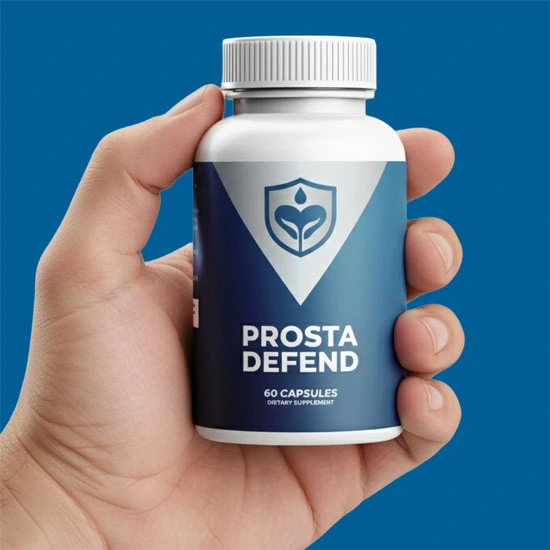
Take Control of Your Prostate Health with ProstaDefend
If you're a man over 60 experiencing the common urinary discomforts associated with an aging prostate, it's time to consider a natural, comprehensive solution. ProstaDefend is meticulously formulated with a powerful blend of clinically-backed ingredients designed to support prostate health and alleviate BPH symptoms, helping you regain comfort and confidence in your daily life.
- ✓ Supports healthy urinary flow and frequency
- ✓ Reduces nighttime urges for better sleep
- ✓ Formulated with potent natural ingredients
- ✓ Made in an FDA-registered, GMP-certified facility
- ✓ Backed by a 60-day money-back guarantee




What Men Are Saying About ProstaDefend
"I was getting up 4-5 times a night, which really took a toll on my energy. After a few weeks of ProstaDefend, I'm down to 1-2 times, sometimes none! It's made a huge difference in my sleep and overall mood."
"My urine stream was so weak, and I always felt like I couldn't fully empty my bladder. ProstaDefend has really improved my flow and that constant feeling of urgency has lessened. I feel much more comfortable."
"At 68, I thought these issues were just part of getting older. My wife encouraged me to try ProstaDefend, and I'm so glad I did. It's gentle, effective, and I've noticed a significant improvement in my daily comfort. Highly recommend."
Beyond BPH: Other Prostate Concerns After 60
While BPH is the most prevalent prostate issue for men over 60, it's important to be aware of other potential concerns and the critical role of regular screening.
Prostate cancer is another significant health consideration as men age. It is the second most common cancer among men worldwide. Unlike BPH, prostate cancer can be life-threatening if not detected and treated early. The good news is that advancements in screening and treatment mean that many men diagnosed with prostate cancer, especially in its early stages, can be successfully treated. Symptoms of prostate cancer can often overlap with BPH, including urinary frequency, difficulty urinating, or a weak stream. However, prostate cancer can also present with blood in the urine or semen, or pain in the back, hips, or pelvis if it has spread. This overlap in symptoms underscores why a medical professional must evaluate any persistent urinary symptoms. Regular prostate cancer screenings, typically involving a PSA blood test and a Digital Rectal Exam (DRE), are recommended for men starting at age 50, or even earlier if there's a family history of the disease or if you belong to a high-risk group. The decision to screen is a personal one, best made in consultation with your doctor, weighing the potential benefits against the risks of over-diagnosis and overtreatment. Additionally, while less common in men over 60 than in younger men, prostatitis (inflammation of the prostate gland) can also occur. Chronic nonbacterial prostatitis can cause pain in the pelvis, genitals, or lower back, along with urinary symptoms. Though it's not typically life-threatening, it can be very uncomfortable and may require treatment. Maintaining open communication with your doctor about any changes in your urinary habits, pain, or general well-being is crucial. Being proactive and informed about your prostate health allows for early detection and intervention, empowering you to live a healthier, more comfortable life as you age. Remember, your doctor is your best resource for personalized advice and care. If you're curious about the effectiveness of specific solutions, you might want to read our article: Does ProstaDefend Work?
Empowering Your Prostate Health Journey
Navigating prostate health after 60 can seem daunting, but with the right knowledge and proactive steps, it's entirely manageable. Your journey towards better prostate health is an ongoing one, built on informed decisions and consistent care.
The information shared in this guide aims to equip you with a foundational understanding of your prostate, common conditions like BPH, and the various pathways to maintain its health. From embracing a prostate-friendly diet and engaging in regular exercise to considering natural supplements like ProstaDefend and, most importantly, prioritizing routine medical check-ups, every step contributes to your overall well-being. Don't let the discomforts of an aging prostate diminish your quality of life. There are effective strategies and solutions available. Empower yourself by staying informed, asking questions, and working closely with your healthcare provider. Remember, aging gracefully includes taking charge of your health from head to toe, and your prostate is no exception. By being proactive, you can continue to enjoy an active, fulfilling life, free from the constant worry of urinary issues. Take the time to implement these strategies, listen to your body, and seek professional advice when needed. Your prostate health is an investment in your future comfort and vitality. With the right approach, you can navigate the challenges of aging with confidence and maintain optimal health for years to come.
Frequently Asked Questions
What is BPH and how common is it after 60?
+Benign Prostatic Hyperplasia (BPH) is a non-cancerous enlargement of the prostate gland. It's incredibly common, affecting about half of men in their 50s and up to 90% of men in their 70s and 80s. After 60, the likelihood of experiencing BPH symptoms increases significantly, making it a primary concern for many aging men. While not life-threatening, BPH can severely impact quality of life due to uncomfortable urinary symptoms.
What are the main symptoms of an unhealthy prostate, specifically BPH?
+The main symptoms of BPH, also known as Lower Urinary Tract Symptoms (LUTS), include frequent urination (especially at night, called nocturia), a weak or interrupted urine stream, difficulty starting urination, dribbling at the end of urination, and a feeling of incomplete bladder emptying. Some men may also experience urgency to urinate, or even pain during urination, though the latter is more indicative of infection or other issues, which should always be investigated by a doctor.
Can lifestyle changes really impact prostate health and BPH symptoms?
+Absolutely. Lifestyle modifications play a significant role in managing BPH symptoms and promoting overall prostate health. Regular exercise, maintaining a healthy weight, adopting a balanced diet rich in fruits, vegetables, and healthy fats, and limiting caffeine and alcohol intake (especially before bed) can all help. Additionally, managing stress and practicing timed voiding can provide noticeable relief. These changes are often recommended as a first line of defense.
When should I consult a doctor about my prostate symptoms?
+It's crucial to consult a doctor if you experience any persistent urinary symptoms, such as increased frequency, urgency, weak stream, or nighttime urination. Early diagnosis is key, not just for BPH, but also to rule out more serious conditions like prostate cancer, which can present with similar symptoms. Your doctor can perform a physical exam, blood tests (like PSA), and other diagnostic tests to determine the cause of your symptoms and recommend appropriate treatment.
How does ProstaDefend support prostate health?
+ProstaDefend is formulated with a blend of natural ingredients specifically chosen for their traditional and scientifically-backed roles in supporting prostate health. Key ingredients like Saw Palmetto, Beta-Sitosterol, and Pygeum Africanum are believed to help reduce prostate size, alleviate urinary symptoms, and support healthy urinary flow. The supplement aims to provide comprehensive support by addressing common issues associated with BPH, helping men maintain comfort and function as they age.
Is ProstaDefend safe and are there any side effects?
+ProstaDefend is crafted from 100% natural ingredients and manufactured in an FDA-registered, GMP-certified facility in the USA, ensuring high quality and purity. Generally, natural supplements are well-tolerated. However, as with any supplement, individual reactions can vary. It's always recommended to consult with your healthcare provider before starting any new supplement regimen, especially if you have pre-existing medical conditions or are taking other medications, to ensure it's appropriate for you.
Related Articles