Are you constantly bothered by frequent urges to urinate, especially at night?
If you're a man over 50, these symptoms might be all too familiar, often pointing to a common condition known as Benign Prostatic Hyperplasia (BPH), or an enlarged prostate. BPH affects millions worldwide, leading to uncomfortable urinary issues that can significantly impact quality of life.
While various medical treatments exist, many men are exploring natural alternatives to support their prostate health. Among these, Pygeum Africanum stands out as a traditional herbal remedy with growing scientific backing for its potential to alleviate BPH symptoms.
Understanding Benign Prostatic Hyperplasia (BPH)
Before diving into Pygeum Africanum, it's essential to grasp what BPH entails and why it becomes such a prevalent concern for aging men.
The prostate is a small gland located just below the bladder in men, surrounding the urethra. Its primary function is to produce seminal fluid. As men age, it's common for the prostate gland to enlarge, a condition medically termed Benign Prostatic Hyperplasia (BPH). This growth is non-cancerous but can lead to significant urinary problems. The enlarged prostate can press on the urethra, obstructing the flow of urine from the bladder. This obstruction results in a range of bothersome symptoms.
Common symptoms of BPH include: frequent urination, especially at night (nocturia); a weak or interrupted urine stream; difficulty starting urination; dribbling at the end of urination; and the sensation of an incomplete bladder emptying. These symptoms can severely disrupt sleep, daily activities, and overall well-being. While BPH is a natural part of aging for many men, its impact on quality of life often prompts a search for effective management strategies, both conventional and natural.
What is Pygeum Africanum? A Natural Prostate Ally
Originating from the bark of the African plum tree (Prunus africana), Pygeum Africanum has been used for centuries in traditional African medicine to address various urinary and prostate-related complaints.
The use of Pygeum Africanum for prostate issues dates back to the 18th century, with African tribal healers utilizing its bark for bladder discomfort and urinary problems. It gained significant attention in Western medicine in the 1960s and has since become a popular herbal remedy for BPH. The active compounds responsible for Pygeum's therapeutic effects are concentrated in its bark extract. These include a complex mixture of phytosterols (like beta-sitosterol), triterpenes (such as ursolic acid and oleanolic acid), and ferulic acid esters (like N-docosanol ferulate).
These bioactive components work synergistically to exert their beneficial effects on the prostate gland. Unlike some medications that target specific pathways, Pygeum Africanum offers a multi-faceted approach to prostate support, which makes it an attractive option for many seeking natural relief. Its long history of traditional use, coupled with modern scientific investigation, solidifies its position as a noteworthy ingredient in the realm of prostate health supplements.
💡 Key Takeaway
Pygeum Africanum, derived from the African plum tree bark, contains a rich blend of phytosterols, triterpenes, and ferulic acid esters. These compounds are believed to be instrumental in its traditional and scientifically supported role in alleviating symptoms of Benign Prostatic Hyperplasia (BPH) by offering a multi-targeted approach to prostate support.
The Science Behind Pygeum: Mechanisms of Action
Scientific research has delved into how Pygeum Africanum exerts its beneficial effects on the prostate, revealing several key mechanisms.
One of the primary ways Pygeum Africanum is thought to help is through its powerful anti-inflammatory properties. Chronic inflammation in the prostate can contribute to its enlargement and the severity of BPH symptoms. The triterpenes and ferulic acid esters found in Pygeum are believed to reduce the production of pro-inflammatory prostaglandins and leukotrienes, thereby alleviating swelling and discomfort within the prostate gland. This reduction in inflammation can significantly ease the pressure on the urethra, improving urinary flow and reducing the urge to urinate frequently. To learn more about managing prostate inflammation, you might find our article on how to reduce prostate inflammation naturally insightful.
Furthermore, Pygeum Africanum appears to have anti-proliferative effects on prostate cells. Phytosterols, particularly beta-sitosterol, are thought to inhibit the growth of prostate cells, helping to prevent further enlargement of the gland. This action is crucial in managing BPH, as uncontrolled cell growth is the root cause of the prostate's increased size. Some studies suggest that Pygeum can also modulate hormonal activity, specifically by interfering with the metabolism of testosterone and its conversion into dihydrotestosterone (DHT), a hormone implicated in prostate growth. By potentially influencing these hormonal pathways, Pygeum helps maintain a healthier prostate size and function.
The extract also contains compounds that may help improve the elasticity of the bladder, enhancing its ability to contract and relax efficiently. This can lead to more complete bladder emptying and a stronger, more consistent urine stream. The cumulative effect of these mechanisms—reducing inflammation, inhibiting cell proliferation, and improving bladder function—contributes to the overall relief of BPH symptoms and better urinary comfort for men.
Key Scientific Benefits of Pygeum Africanum for BPH
Numerous clinical trials and meta-analyses have investigated the efficacy of Pygeum Africanum in managing BPH symptoms. Here's what the science consistently shows:
Reduces Urinary Frequency and Nocturia
One of the most bothersome symptoms of BPH is the constant urge to urinate, often multiple times during the night (nocturia). Studies have consistently demonstrated that Pygeum Africanum can significantly decrease both daytime urinary frequency and, importantly, nighttime awakenings due to urination. This leads to improved sleep quality and overall daily comfort, making it a valuable aid for those seeking nocturia relief.
Improves Urine Flow Rate
The enlarged prostate can obstruct the urethra, leading to a weak or interrupted urine stream. Pygeum Africanum has been shown to improve objective measures of urinary flow, such as peak urinary flow rate. This suggests that the extract helps to reduce the obstruction, allowing for a stronger, more consistent stream and more complete bladder emptying.
Decreases Residual Urine Volume
A common issue with BPH is the inability to fully empty the bladder, leaving residual urine. This can increase the risk of urinary tract infections and worsen other symptoms. Research indicates that Pygeum Africanum can help reduce the amount of urine left in the bladder after urination, contributing to better bladder health and reduced discomfort.
Alleviates Prostate Inflammation
As discussed, the anti-inflammatory compounds in Pygeum Africanum play a crucial role. By reducing inflammation and swelling of the prostate gland, it can directly ease the pressure on the urethra, thereby mitigating symptoms like pain, burning, and general urinary discomfort associated with an inflamed prostate.
Supports Healthy Prostate Cell Function
Beyond symptom relief, Pygeum Africanum's ability to potentially inhibit excessive prostate cell growth contributes to long-term prostate health. This preventative aspect is key for men looking to proactively manage their prostate well-being and reduce the progression of BPH.
Dosage, Safety, and Considerations
While Pygeum Africanum is a natural extract, understanding appropriate dosages and potential considerations is vital for safe and effective use.
Standardized extracts of Pygeum Africanum are typically recommended to ensure consistent potency. The most common dosage used in clinical trials ranges from 50 to 100 mg per day, often divided into two doses. It's crucial to follow the specific instructions on any supplement you choose, as concentrations can vary. Like many herbal remedies, the benefits of Pygeum Africanum are usually not immediate and may take several weeks to months of consistent use to become noticeable. Patience and adherence to the recommended regimen are key.
In terms of safety, Pygeum Africanum is generally well-tolerated by most individuals. The most frequently reported side effects are mild gastrointestinal disturbances, such as stomach upset, nausea, or diarrhea. These can often be mitigated by taking the supplement with food. Allergic reactions are rare but possible. It's important to note that Pygeum Africanum is not a substitute for conventional medical treatment for BPH or other prostate conditions. Always consult with your doctor before starting any new supplement, especially if you have an existing medical condition, are taking other medications, or are considering surgery for BPH. Your doctor can help determine if Pygeum is an appropriate addition to your treatment plan and can monitor your progress.
Beyond Pygeum: A Holistic Approach to Prostate Health
While Pygeum Africanum offers significant benefits, optimal prostate health is best achieved through a comprehensive approach that includes diet, lifestyle, and other supportive nutrients.
Dietary Choices
A diet rich in fruits, vegetables, and healthy fats (like those found in avocados and nuts) and low in red meat, processed foods, and excessive dairy can significantly support prostate health. Lycopene-rich foods (tomatoes), cruciferous vegetables (broccoli, cauliflower), and omega-3 fatty acids are particularly beneficial.
Regular Exercise
Physical activity plays a crucial role in overall health, including prostate health. Regular exercise helps maintain a healthy weight, reduces inflammation, and improves circulation, all of which are beneficial for the prostate gland. Aim for at least 30 minutes of moderate-intensity exercise most days of the week.
Hydration
Adequate water intake is essential for urinary tract health. While it might seem counterintuitive for someone with urinary frequency, staying well-hydrated helps flush out toxins and keeps the urine diluted, reducing irritation to the bladder and urethra.
Stress Management
Chronic stress can impact various bodily functions, including hormonal balance, which indirectly affects prostate health. Practices like meditation, yoga, deep breathing exercises, and ensuring adequate sleep can help manage stress levels and promote overall well-being.
Synergistic Ingredients for Enhanced Prostate Support
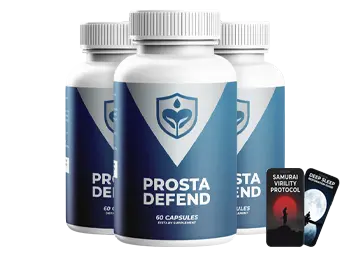
Many effective prostate health supplements, like ProstaDefend, combine Pygeum Africanum with other well-researched ingredients to provide comprehensive support. Here are a few examples of key ingredients often found in such formulas:
Saw Palmetto
Role: Widely recognized for its ability to support prostate health, Saw Palmetto berry extract is believed to inhibit the conversion of testosterone to DHT, a hormone linked to prostate enlargement. It helps reduce urinary symptoms like frequent urination and weak stream.
Beta-Sitosterol
Role: A plant sterol found in many fruits, vegetables, and nuts. Beta-Sitosterol has been shown in clinical studies to improve urinary flow and reduce residual urine volume in men with BPH. It works by reducing inflammation and potentially inhibiting prostate growth.
Zinc
Role: Zinc is an essential mineral highly concentrated in the prostate gland. Low zinc levels have been associated with prostate issues. It plays a crucial role in immune function, cell growth, and hormonal balance, all vital for maintaining a healthy prostate.
Lycopene
Role: A powerful antioxidant found in red fruits and vegetables like tomatoes. Lycopene protects cells from oxidative damage and has been linked to a reduced risk of various prostate conditions, including BPH, by neutralizing free radicals and supporting cellular health.
Nettle Root Extract
Role: Often used in conjunction with Saw Palmetto, Nettle Root (Urtica dioica) is believed to help alleviate BPH symptoms by affecting prostate cell growth and reducing inflammation. It can improve urinary flow and reduce the urge to urinate.
Green Tea Extract
Role: Rich in antioxidants called catechins, particularly EGCG, Green Tea Extract has demonstrated anti-inflammatory and anti-proliferative effects. It supports cellular health and may help protect the prostate from oxidative stress and abnormal cell growth.
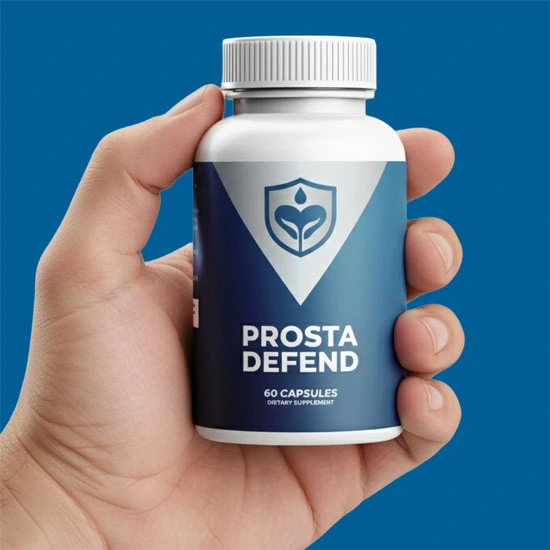
When seeking a natural solution, choosing a supplement that combines Pygeum Africanum with these and other scientifically supported ingredients can offer a more robust approach to prostate health. For instance, many men explore options like ProstaDefend to find a comprehensive blend of these beneficial compounds.
Experience the ProstaDefend Difference for Comprehensive Prostate Support
If you're looking for a natural, all-in-one solution that harnesses the power of Pygeum Africanum alongside other potent ingredients, ProstaDefend offers a carefully formulated blend designed to address the multiple facets of prostate health and BPH symptoms.
- ✓ Supports healthy prostate size and function
- ✓ Reduces frequent urination and nocturia
- ✓ Promotes strong urine flow and complete bladder emptying
- ✓ Alleviates prostate inflammation and discomfort
- ✓ Features a blend of clinically-backed natural ingredients



What Our Customers Are Saying
"I was skeptical at first, but ProstaDefend, with its Pygeum, has truly made a difference. My nighttime trips to the bathroom have reduced from 4-5 to just 1-2. I'm finally getting restful sleep!"
"The constant urge to go was controlling my life. After a few weeks on ProstaDefend, my stream is stronger, and I feel like I can empty my bladder completely. It's a huge relief."
"My doctor suggested exploring natural options for my BPH, and I found ProstaDefend. The inclusion of Pygeum Africanum and other ingredients made sense. I feel more comfortable and confident now."
Frequently Asked Questions
What is Pygeum Africanum and how does it help prostate health?
+Pygeum Africanum is an herbal extract from the bark of the African plum tree. It contains beneficial compounds like phytosterols that are believed to reduce inflammation, inhibit prostate cell proliferation, and alleviate common symptoms of Benign Prostatic Hyperplasia (BPH) such as frequent urination and poor urine flow. Research suggests it helps improve overall urinary function.
Is Pygeum Africanum scientifically proven to treat BPH?
+While Pygeum Africanum has shown promising results in numerous clinical studies and meta-analyses, particularly in improving urinary symptoms associated with BPH, it is generally considered a complementary therapy rather than a standalone cure. It helps manage symptoms and support prostate health, but it's crucial to consult a healthcare professional for diagnosis and treatment of BPH.
What are the typical side effects of Pygeum Africanum?
+Pygeum Africanum is generally well-tolerated. The most commonly reported side effects are mild gastrointestinal issues such as stomach upset, nausea, or diarrhea. These are usually temporary and can often be minimized by taking the supplement with food. Serious side effects are rare, but it's always recommended to discuss any concerns with your doctor.
How long does it take to see benefits from Pygeum Africanum?
+The time it takes to experience noticeable benefits from Pygeum Africanum can vary among individuals. Some men report improvements in urinary symptoms within a few weeks, while for others, it may take 1 to 3 months of consistent use to observe significant changes. Regular and consistent intake, as directed, is key to achieving optimal results.
Can Pygeum Africanum be taken with other prostate supplements?
+Pygeum Africanum is often formulated with other prostate-supporting ingredients like Saw Palmetto, Beta-Sitosterol, and Zinc in comprehensive supplements. When considering combining it with other supplements or medications, it is essential to consult with your doctor or a qualified healthcare provider to ensure there are no potential interactions or contraindications, and to determine the most appropriate regimen for your specific needs.
Where can I find a high-quality Pygeum Africanum supplement?
+When choosing a Pygeum Africanum supplement, look for products from reputable manufacturers that provide transparent ingredient lists and adhere to quality standards like GMP certification. Ensure the product contains a standardized extract to guarantee potency. ProstaDefend, for example, is a supplement that includes Pygeum Africanum among its carefully selected ingredients, designed to support prostate health.
Related Articles