Are You Giving Your Prostate the Nutritional Support It Needs?
As men age, maintaining optimal prostate health becomes increasingly important. The prostate gland, a small but vital organ, plays a crucial role in the male reproductive system. However, conditions like Benign Prostatic Hyperplasia (BPH), or an enlarged prostate, can significantly impact quality of life, leading to uncomfortable urinary symptoms.
While medical interventions are often necessary, a foundational approach to prostate wellness involves understanding and integrating specific vitamins and minerals into your diet. This article, meticulously researched by Dr. George Harris and reviewed by Dr. Elizabeth Martin, M.D., will delve into the essential micronutrients that can offer significant support, helping you maintain a healthy prostate naturally and potentially alleviate BPH symptoms.
The Prostate: A Vital Gland and Common Concerns
Before diving into specific nutrients, it's crucial to understand the prostate gland's role and the challenges it can face, particularly as men age.
The prostate is a small, walnut-sized gland located just below the bladder and in front of the rectum. Its primary function is to produce seminal fluid, which nourishes and transports sperm. Encircling the urethra, the tube that carries urine and semen out of the body, the prostate's health directly impacts both urinary and reproductive functions. For many men, however, the prostate becomes a source of concern later in life, often due to a condition known as Benign Prostatic Hyperplasia (BPH).
BPH is a non-cancerous enlargement of the prostate gland that is incredibly common, affecting approximately 50% of men in their 50s and up to 90% of men in their 80s. As the prostate grows, it can compress the urethra, leading to a variety of uncomfortable and disruptive urinary symptoms. These can include frequent urination (especially at night), difficulty starting urination, a weak or interrupted urine stream, the feeling of incomplete bladder emptying, and urgency. While BPH is not cancerous, its symptoms can significantly diminish quality of life and, in severe cases, lead to complications like urinary tract infections, bladder stones, or kidney damage. Understanding these challenges underscores the importance of proactive prostate care, including nutritional support.
💡 Key Takeaway
The prostate gland's health is fundamental to men's well-being, with BPH being a widespread age-related condition. Nutritional strategies, alongside medical guidance, offer a proactive path to support prostate function and mitigate symptoms.
Key Vitamins for Robust Prostate Support
Vitamins are organic compounds essential for normal growth and nutrition, required in small quantities in the diet because they cannot be synthesized by the body. For prostate health, several vitamins stand out due to their specific roles in cellular function, antioxidant defense, and hormonal balance.
Vitamin D: The Sunshine Vitamin
Often referred to as the "sunshine vitamin," Vitamin D is crucial not just for bone health but also for prostate cellular regulation. Research suggests that adequate Vitamin D levels may play a role in inhibiting the growth of prostate cells, making it a vital nutrient for preventing and managing BPH. Many men are deficient in Vitamin D, especially those with limited sun exposure, making supplementation a common recommendation.
Vitamin E: A Potent Antioxidant
Vitamin E is a group of fat-soluble compounds with powerful antioxidant properties. It helps protect cells, including those in the prostate, from oxidative damage caused by free radicals. This protective action is particularly relevant in the context of inflammation, which is believed to contribute to prostate enlargement. Natural sources include nuts, seeds, spinach, and broccoli.
Vitamin C: Immune and Anti-Inflammatory Support
Well-known for its immune-boosting properties, Vitamin C also acts as an antioxidant and plays a role in reducing inflammation. Chronic inflammation is a factor implicated in the progression of BPH. Ensuring sufficient intake of Vitamin C through citrus fruits, bell peppers, and leafy greens can contribute to a healthier prostate environment.
B Vitamins: Metabolic Regulators
Specific B vitamins, such as Vitamin B6 (Pyridoxine) and Folate (Vitamin B9), are involved in various metabolic processes that can influence prostate health. Vitamin B6 helps regulate hormone activity, which is pertinent given the hormonal influences on prostate growth. Folate, along with B12, is essential for DNA synthesis and repair, playing a role in healthy cell division. A balanced intake of B vitamins through whole grains, legumes, and lean meats is beneficial.
Essential Minerals for a Healthy Prostate
Just like vitamins, certain minerals are indispensable for maintaining prostate health. These inorganic substances contribute to enzymatic reactions, immune function, and cellular integrity within the prostate gland.
Zinc: The Prostate's Guardian Mineral
Zinc is arguably the most critical mineral for prostate health, found in high concentrations within the prostate gland itself. It plays a vital role in immune function, cell growth, and hormone metabolism. Studies indicate that zinc deficiency can contribute to prostate enlargement and inflammation. Adequate zinc intake, from sources like oysters, red meat, pumpkin seeds, and legumes, is crucial for maintaining normal prostate size and function. Zinc helps regulate dihydrotestosterone (DHT), a potent male hormone linked to BPH.
Selenium: Antioxidant Powerhouse
Selenium is a trace mineral known for its powerful antioxidant properties, working synergistically with Vitamin E to protect cells from oxidative stress. It is also involved in DNA repair and immune response. Research suggests that optimal selenium levels may be associated with a reduced risk of prostate issues. Brazil nuts, fish, chicken, and eggs are excellent dietary sources of selenium. Its role in combating oxidative damage is key to a healthy prostate environment.
Copper: Balancing Act
While needed in smaller amounts than zinc, copper is essential for various enzymatic processes and connective tissue formation. However, the balance between zinc and copper is critical for prostate health. An imbalance, particularly high copper relative to zinc, can be detrimental. Therefore, ensuring a healthy ratio through a balanced diet, without excessive supplementation of either, is important. Whole grains, beans, and nuts contain copper.
Magnesium: Beyond Muscle Function
Magnesium is involved in over 300 biochemical reactions in the body, including those related to muscle and nerve function, blood glucose control, and blood pressure regulation. For prostate health, magnesium's role in reducing inflammation and supporting overall cellular health is noteworthy. It can also influence hormone levels and contribute to better sleep, which indirectly supports overall well-being. Leafy greens, nuts, seeds, and dark chocolate are good sources.
Beyond Vitamins and Minerals: Other Powerful Nutrients for Prostate Health
While vitamins and minerals form the bedrock of prostate nutrition, several other natural compounds and herbal extracts have garnered significant attention for their potential benefits in supporting prostate health and alleviating BPH symptoms.
Many of these compounds work through various mechanisms, including reducing inflammation, modulating hormone levels, and providing antioxidant protection. Incorporating these into your diet or through targeted supplementation can offer a comprehensive approach to prostate wellness.
Saw Palmetto (Serenoa repens)
Perhaps the most well-researched herbal remedy for BPH, Saw Palmetto extract is believed to work by inhibiting the enzyme 5-alpha-reductase, which converts testosterone into dihydrotestosterone (DHT). DHT is a hormone strongly implicated in prostate growth. By reducing DHT levels, Saw Palmetto may help shrink the prostate and alleviate urinary symptoms like frequent urination and weak stream. It's a cornerstone in many natural prostate support formulas.
Beta-Sitosterol
A plant sterol found in various plant foods, Beta-Sitosterol has been extensively studied for its positive effects on urinary flow and reducing residual urine volume in men with BPH. It is thought to reduce inflammation and potentially inhibit the growth of prostate cells. Rich sources include avocados, pecans, wheat germ, and plant oils. Its efficacy is often compared to that of Saw Palmetto, and they are frequently combined in supplements.
Lycopene
This powerful carotenoid, responsible for the red color in tomatoes, watermelon, and pink grapefruit, is a potent antioxidant. Lycopene accumulates in prostate tissue and is believed to protect prostate cells from oxidative damage, which can contribute to the development of BPH and other prostate issues. Cooked tomatoes, especially with a little healthy fat, enhance lycopene absorption.
Green Tea Extract (EGCG)
Green tea is rich in polyphenols, particularly epigallocatechin gallate (EGCG), which possess strong antioxidant and anti-inflammatory properties. Research suggests that EGCG may help inhibit prostate cell proliferation and induce apoptosis (programmed cell death) in abnormal prostate cells. Regular consumption of green tea or supplementation with its extracts can be a beneficial addition to a prostate-healthy regimen.
Pygeum Africanum
Derived from the bark of the African plum tree, Pygeum extract has a long history of use in traditional medicine for urinary disorders. It is thought to reduce inflammation, decrease prostate swelling, and improve urinary symptoms associated with BPH. Its active compounds, including phytosterols, fatty acids, and triterpenes, contribute to its beneficial effects on bladder elasticity and prostate secretions.
Nettle Root Extract (Urtica dioica)
Often used in conjunction with Saw Palmetto, Nettle Root extract is believed to help alleviate BPH symptoms by affecting hormone levels and reducing inflammation. It may also interfere with the binding of DHT to prostate cells and inhibit certain enzymes that contribute to prostate growth. Many men report improved urinary flow and reduced nighttime urination when using this extract.
For a deeper dive into natural remedies, you might find our article on Natural Prostate Health: Relief Remedies Beyond Supplements particularly insightful. It explores various holistic approaches to support prostate wellness.
Lifestyle Factors: Complementing Nutritional Support
While specific vitamins and minerals are crucial, their effectiveness is often amplified when combined with a healthy lifestyle. Adopting certain habits can significantly contribute to overall prostate health and complement the benefits derived from targeted nutrition.
1. Balanced Diet: Beyond specific nutrients, a generally healthy diet is paramount. Emphasize a diet rich in fruits, vegetables, and whole grains, which are packed with antioxidants and fiber. Limit red meat, processed foods, unhealthy fats, and excessive dairy, which have been linked to an increased risk of prostate issues. Incorporate sources of omega-3 fatty acids, such as fatty fish, flaxseeds, and walnuts, known for their anti-inflammatory properties.
2. Regular Exercise: Physical activity is not just good for your heart and waistline; it also benefits your prostate. Regular exercise helps maintain a healthy weight, reduces inflammation, and can improve hormone balance, all of which are protective factors for the prostate. Aim for at least 30 minutes of moderate-intensity exercise most days of the week.
3. Hydration: Drinking plenty of water throughout the day is essential for urinary tract health. While it might seem counterintuitive for men with frequent urination, adequate hydration helps flush out toxins and prevents concentrated urine from irritating the bladder. However, it's wise to reduce fluid intake a few hours before bedtime to minimize nighttime trips to the bathroom.
4. Stress Management: Chronic stress can impact overall health, including hormonal balance and immune function, indirectly affecting prostate health. Practices such as meditation, yoga, deep breathing exercises, and spending time in nature can help manage stress levels.
5. Limit Alcohol and Caffeine: For some men with BPH symptoms, reducing alcohol and caffeine intake can significantly alleviate urinary urgency and frequency, as these substances can act as diuretics and bladder irritants.
By integrating these lifestyle practices with a nutrient-rich diet and targeted supplementation, men can create a powerful strategy for maintaining optimal prostate health as they age.
ProstaDefend: A Comprehensive Solution for Prostate Wellness
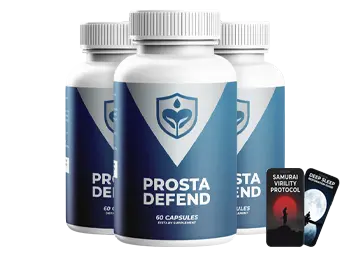
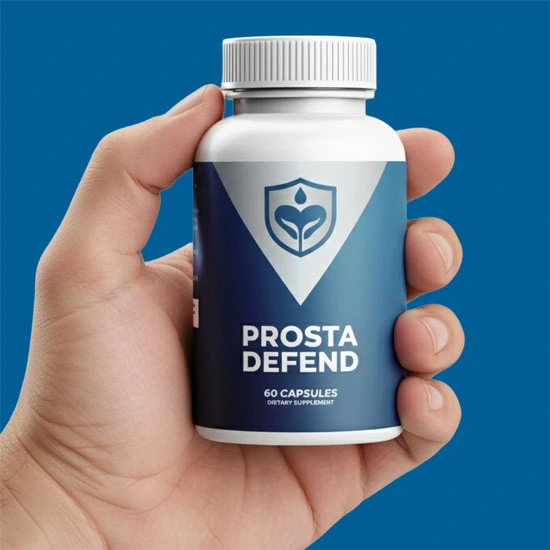
Understanding the synergy between these vital nutrients, ProstaDefend has been meticulously formulated to provide comprehensive support for men seeking to maintain optimal prostate health and alleviate the discomfort associated with Benign Prostatic Hyperplasia.
ProstaDefend brings together a powerful blend of the most effective vitamins, minerals, and herbal extracts discussed in this article, all chosen for their scientifically-backed roles in supporting prostate function, reducing inflammation, and promoting healthy urinary flow. It is designed as a convenient and effective way to ensure your body receives the critical nutritional support it needs for a healthy prostate.
Every ingredient in ProstaDefend is carefully selected for its purity and potency, ensuring that you are getting a high-quality product that you can trust. Manufactured in a GMP-certified facility in the USA, ProstaDefend adheres to the highest standards of quality control and safety. If you're considering a supplement to support your prostate health, you might want to read our ProstaDefend Review 2026: An In-Depth Look at Its Efficacy to understand its full potential.
Choosing ProstaDefend means opting for a holistic approach to prostate wellness, leveraging the power of nature's best ingredients to help you reclaim comfort and control over your urinary health. It's more than just a supplement; it's an investment in your long-term well-being.
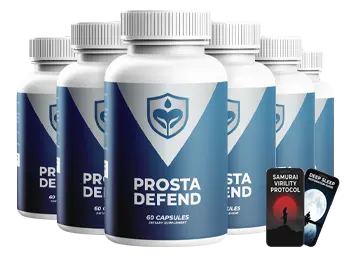
Experience the ProstaDefend Difference Today
Don't let prostate issues dictate your life. ProstaDefend offers a natural, powerful way to support your prostate health and improve your quality of life. Backed by science and crafted with care, it's the solution you've been searching for.
- ✓ Supports healthy prostate size & function
- ✓ Alleviates frequent urination & weak stream
- ✓ Made with a powerful blend of natural ingredients
- ✓ Boosts energy & improves sleep quality
- ✓ Manufactured in a GMP-certified facility in the USA



What Our Customers Are Saying
"I was skeptical at first, but ProstaDefend truly made a difference. My nighttime trips to the bathroom have significantly reduced, and I feel like I'm finally getting a full night's sleep. Highly recommend for any man struggling with BPH symptoms!"
"After trying several other supplements, ProstaDefend delivered the results I was hoping for. My flow is stronger, and I no longer feel that constant urgency. It's given me back my confidence and comfort."
"The natural ingredients in ProstaDefend were a big draw for me. I've been taking it for three months, and the improvement in my urinary health is remarkable. No more waking up multiple times, and my days are much more productive."
Frequently Asked Questions
What is Benign Prostatic Hyperplasia (BPH)?
+Benign Prostatic Hyperplasia (BPH) is a common, non-cancerous condition where the prostate gland enlarges, often occurring as men age. This enlargement can press on the urethra, leading to urinary symptoms like frequent urination, weak stream, and difficulty emptying the bladder. It's important to differentiate BPH from prostate cancer, though symptoms can sometimes overlap, necessitating a medical diagnosis.
Can diet and supplements truly impact prostate health?
+Yes, diet and specific supplements can play a significant role in supporting prostate health and managing BPH symptoms. A diet rich in fruits, vegetables, and healthy fats, combined with targeted vitamins, minerals, and herbal extracts, can help reduce inflammation, regulate hormones, and provide antioxidant protection, all of which are beneficial for the prostate. However, supplements should complement, not replace, medical advice.
Which vitamins are most important for prostate health?
+Key vitamins for prostate health include Vitamin D, which is linked to prostate cell regulation and immune function; Vitamin E, a powerful antioxidant that helps protect cells from damage; and Vitamin C, which supports overall immune health and may reduce inflammation. B vitamins, particularly B6 and Folate, also play roles in metabolic processes relevant to prostate cell health.
What minerals should I consider for prostate support?
+Zinc is perhaps the most crucial mineral, highly concentrated in the prostate and essential for its function and immune response. Selenium offers antioxidant benefits and is linked to reduced risk of prostate issues. Copper, while needed in smaller amounts, is important for various enzymatic processes, and a proper balance with zinc is vital. Magnesium also plays a role in overall cellular health and muscle function.
How does ProstaDefend fit into a prostate health regimen?
+ProstaDefend is formulated with a synergistic blend of many of the vitamins, minerals, and herbal extracts discussed in this article, specifically chosen for their known benefits to prostate health. It aims to provide comprehensive support for men seeking to maintain a healthy prostate, alleviate BPH symptoms, and improve urinary function. It is designed as a convenient way to ensure adequate intake of these crucial nutrients.
Is ProstaDefend safe and does it have side effects?
+ProstaDefend is made with all-natural ingredients and is manufactured in a GMP-certified facility in the USA, ensuring high quality and purity. Generally, it is well-tolerated. However, as with any supplement, individual reactions can vary. It's always recommended to consult with your healthcare provider before starting any new supplement, especially if you have existing medical conditions or are taking other medications, to ensure it is safe and appropriate for your specific health needs.
Related Articles