Struggling with BPH symptoms? Discover how targeted exercises can make a difference.
Benign Prostatic Hyperplasia (BPH), or an enlarged prostate, is a common condition affecting millions of men worldwide, particularly as they age. Symptoms like frequent urination, weak stream, and incomplete bladder emptying can significantly impact quality of life. While medical treatments are available, integrating specific exercises into your routine can offer substantial relief and support overall prostate health.
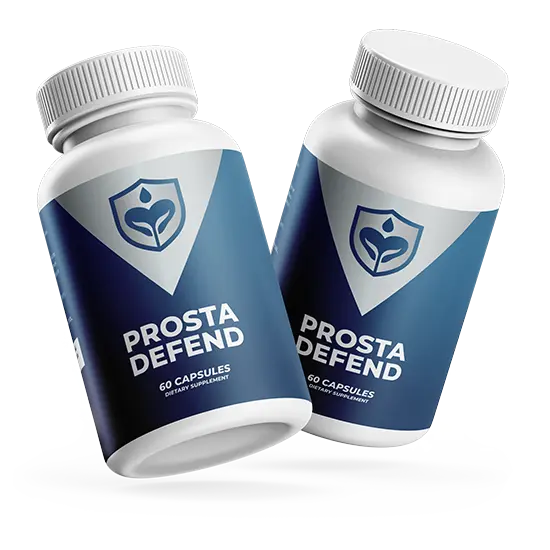
This article delves into the most effective exercises for managing BPH symptoms and promoting a healthier prostate. We'll explore how physical activity, combined with a holistic approach, including dietary adjustments and potentially a natural supplement like ProstaDefend, can empower you to take control of your urological well-being.
Understanding Benign Prostatic Hyperplasia (BPH) and Its Impact
Before diving into exercise, it's crucial to grasp what BPH is and how it affects men's health. This common condition, characterized by an enlarged prostate gland, can lead to bothersome urinary symptoms.
Benign Prostatic Hyperplasia (BPH) is a non-cancerous enlargement of the prostate gland, a small gland located just below the bladder in men. Its primary function is to produce seminal fluid, which nourishes and transports sperm. As men age, it's common for the prostate gland to grow, a process that can begin as early as their 30s but typically becomes symptomatic in men over 50. By age 60, approximately 50% of men will experience BPH, and by age 85, this figure rises to 90%. While BPH is not prostate cancer, the symptoms can be quite similar, emphasizing the importance of a proper diagnosis from a healthcare professional.
The enlarged prostate can press against the urethra, the tube that carries urine from the bladder out of the body, obstructing the flow of urine. This obstruction leads to a range of lower urinary tract symptoms (LUTS), which are the hallmark of BPH. These symptoms can be categorized into storage symptoms and voiding symptoms. Storage symptoms include increased frequency of urination, especially at night (nocturia), urgency, and a feeling of incomplete bladder emptying. Voiding symptoms involve a weak or slow urinary stream, difficulty starting urination (hesitancy), dribbling at the end of urination, and straining to urinate. For a deeper dive into the underlying factors, you can read more about the causes of benign prostatic hyperplasia.
The impact of BPH on a man's life can be significant. Constant trips to the bathroom can disrupt sleep, leading to fatigue and irritability. The fear of urinary leakage or inability to find a restroom can lead to social anxiety and withdrawal from activities. Sexual function can also be affected, either directly by the condition or indirectly by the psychological stress it causes. Many men find themselves planning their days around bathroom access, which severely diminishes their quality of life. This is why finding effective strategies, including natural approaches like exercise, is so vital for managing BPH and improving overall well-being.
Why Exercise is a Powerful Ally for Prostate Health
Exercise is often touted for its myriad health benefits, and prostate health is no exception. Regular physical activity plays a crucial role in mitigating BPH symptoms and fostering a healthier prostate environment.
Incorporating regular exercise into your routine can have a profound positive impact on your prostate health. One of the primary mechanisms is through **improved blood circulation**. Good blood flow ensures that nutrients and oxygen reach the prostate gland efficiently, while also helping to remove waste products. This can reduce inflammation, which is often a contributing factor to prostate enlargement and discomfort. Chronic inflammation is known to exacerbate many health conditions, including BPH, so any strategy that helps reduce it is beneficial.
Furthermore, exercise aids in **weight management**. Obesity is a known risk factor for BPH and can worsen its symptoms. Excess body fat, particularly around the abdomen, can alter hormone levels, specifically increasing estrogen and decreasing testosterone, which can contribute to prostate growth. By maintaining a healthy weight through exercise and a balanced diet, men can help regulate these hormonal imbalances and reduce pressure on the bladder and prostate.
Regular physical activity also plays a role in **hormonal balance** beyond just weight management. Exercise can influence the production and metabolism of various hormones, including those that affect prostate growth. For instance, it can help regulate insulin levels, and insulin resistance has been linked to an increased risk of BPH. Moreover, exercise is a natural stress reliever. Chronic stress can negatively impact overall health, including urological function, by triggering inflammatory responses and affecting hormonal equilibrium. Reducing stress through physical activity can indirectly support prostate health and alleviate BPH symptoms.
Finally, certain types of exercises can directly strengthen the muscles that support bladder function and urinary control, offering immediate relief from some of the most bothersome BPH symptoms. This comprehensive approach to health, where exercise acts as a cornerstone, provides a robust defense against the progression and severity of benign prostatic hyperplasia.
💡 Key Takeaway
Regular exercise significantly benefits prostate health by improving blood circulation, reducing inflammation, aiding in weight management, balancing hormones, and strengthening pelvic floor muscles, all of which can alleviate BPH symptoms.
Targeted Exercises for BPH Symptom Relief and Prostate Support
Not all exercises are created equal when it comes to prostate health. Focusing on specific types of physical activity can yield the best results for managing BPH symptoms and supporting your prostate.
1. Pelvic Floor Exercises (Kegels)
Often associated with women's health, Kegel exercises are incredibly beneficial for men, especially those dealing with BPH symptoms. The pelvic floor muscles support the bladder and bowel and play a crucial role in urinary control. Strengthening these muscles can help improve bladder function, reduce urinary leakage, and enhance the ability to hold urine.
- How to do them: To identify your pelvic floor muscles, try to stop the flow of urine midstream. Those are the muscles you need to contract. Alternatively, imagine you are trying to prevent passing gas and gently lift your pelvic floor. Avoid squeezing your buttocks, abdomen, or thighs.
- Technique: Contract your pelvic floor muscles, hold for 3-5 seconds, then relax for 3-5 seconds. Repeat this 10-15 times, 3 times a day. You can perform Kegels anywhere, anytime – while sitting, standing, or lying down.
- Benefits for BPH: Kegels can significantly improve urinary control, reduce urgency, minimize post-void dribbling, and help with bladder emptying. By strengthening these supportive muscles, you can gain better command over your urinary system, making BPH symptoms less disruptive.
2. Aerobic Exercises (Cardio)
Cardiovascular exercises are vital for overall health, and their benefits extend directly to prostate health. These activities get your heart rate up, improve circulation, and help manage weight, all critical factors in BPH management.
- Examples: Brisk walking, jogging, swimming, cycling, dancing, hiking, and using an elliptical machine.
- Recommendation: Aim for at least 30 minutes of moderate-intensity aerobic exercise most days of the week. Moderate intensity means you can talk but not sing during the activity.
- Benefits for BPH:
- Improved Blood Flow: Enhances circulation to the prostate, reducing inflammation and promoting cellular health.
- Weight Management: Helps shed excess weight, which is a known risk factor for BPH and can exacerbate symptoms.
- Hormonal Regulation: Contributes to a healthier hormonal balance, which can influence prostate growth.
- Reduced Inflammation: Regular cardio has anti-inflammatory effects throughout the body, including the prostate.
3. Strength Training
Incorporating strength or resistance training into your routine offers unique benefits that complement aerobic exercise and pelvic floor work. It helps build muscle mass, boost metabolism, and influence hormone levels positively.
- Examples: Lifting weights, using resistance bands, bodyweight exercises (push-ups, squats, lunges, planks).
- Recommendation: Perform strength training 2-3 times per week, allowing a day of rest between sessions for muscle recovery. Focus on major muscle groups.
- Benefits for BPH:
- Hormonal Balance: Can help regulate testosterone and estrogen levels, which are implicated in prostate growth.
- Metabolic Health: Improves insulin sensitivity, reducing a risk factor associated with BPH.
- Weight Control: Builds muscle, which burns more calories at rest, aiding in long-term weight management.
- Overall Vitality: Enhances strength and endurance, contributing to a better quality of life despite BPH.
4. Stretching and Yoga
While not directly targeting the prostate, stretching and yoga offer significant indirect benefits by promoting flexibility, reducing stress, and improving overall bodily function, which can positively impact BPH symptoms.
- Examples: Gentle stretches for the hips, lower back, and core; yoga poses like child's pose, pigeon pose, or reclined bound angle pose (Supta Baddha Konasana).
- Recommendation: Incorporate stretching daily or several times a week, especially after other workouts. Yoga can be practiced 1-3 times a week.
- Benefits for BPH:
- Stress Reduction: Yoga and stretching are excellent for calming the nervous system, reducing chronic stress that can worsen BPH symptoms.
- Improved Flexibility: Can alleviate tension in the pelvic area and lower back, which might indirectly impact urinary discomfort.
- Enhanced Circulation: Gentle movements and deep breathing can improve blood flow to all organs, including the prostate.
- Mind-Body Connection: Fosters greater awareness of bodily sensations, helping men to better manage symptoms.
Remember, always consult your doctor before starting any new exercise program, especially if you have existing health conditions or are experiencing severe BPH symptoms. Your doctor can provide personalized recommendations based on your health status.
Key Benefits of Regular Exercise for Prostate Health
Beyond just symptom reduction, a consistent exercise routine offers a cascade of health benefits that specifically support a healthy prostate and overall urological function.
Improved Urinary Flow & Control
Pelvic floor exercises directly strengthen the muscles responsible for bladder control, leading to a stronger urinary stream, reduced urgency, and less frequent trips to the bathroom. This directly addresses some of the most bothersome BPH symptoms, enhancing comfort and confidence.
Reduced Inflammation
Chronic inflammation is a significant contributor to prostate enlargement and discomfort. Regular aerobic exercise and maintaining a healthy weight help to lower systemic inflammation markers, creating a more favorable environment for prostate health and potentially slowing BPH progression.
Better Weight Management
Obesity is a well-established risk factor for BPH. Exercise, combined with a healthy diet, helps in maintaining a healthy body weight. Losing excess fat can alleviate pressure on the bladder and prostate, and positively influence hormone levels that impact prostate growth.
Enhanced Blood Circulation
Physical activity boosts blood flow throughout the body, including to the prostate gland. Improved circulation ensures that the prostate receives adequate oxygen and nutrients while efficiently removing metabolic waste products, which is crucial for maintaining cellular health and function.
Stress Reduction
Exercise is a powerful stress reliever. High levels of stress can exacerbate many health conditions, including BPH, by influencing hormonal and inflammatory pathways. Regular physical activity helps to calm the nervous system, reducing stress and its potential negative impact on prostate symptoms.
Hormonal Balance
Both aerobic and strength training exercises can positively impact hormone regulation, including those involved in prostate growth, such as testosterone and estrogen. A balanced hormonal profile is essential for preventing or slowing the progression of BPH and maintaining overall men's health.
Beyond Exercise: Holistic Prostate Support
While exercise is a cornerstone of prostate health, it's most effective when integrated into a broader holistic lifestyle. Complementing your physical activity with smart dietary choices, proper hydration, and stress management can amplify your results.
Healthy Diet Choices
What you eat profoundly impacts your prostate. A diet rich in fruits, vegetables, and whole grains, particularly those high in antioxidants and anti-inflammatory compounds, is crucial. Focus on foods like tomatoes (rich in lycopene), berries, leafy greens, fatty fish (omega-3s), and green tea. Limiting red meat, processed foods, sugary drinks, and excessive alcohol can significantly reduce inflammation and support prostate health. These dietary adjustments work synergistically with exercise to create an optimal internal environment for your prostate.
Adequate Hydration
It might seem counterintuitive to drink more water when dealing with urinary frequency, but proper hydration is vital. Drinking enough water helps flush out toxins and prevents urine from becoming too concentrated, which can irritate the bladder. Aim for clear or pale yellow urine. However, try to limit fluid intake a few hours before bedtime to reduce nocturia. Avoid excessive caffeine and alcohol, as these can act as bladder irritants and diuretics, worsening BPH symptoms.
Stress Management
Chronic stress can exacerbate BPH symptoms through its impact on the nervous system and hormonal balance. When stressed, your body releases hormones like adrenaline, which can tighten muscles in the bladder and prostate, worsening urinary symptoms. Incorporate stress-reducing activities into your daily routine, such as meditation, deep breathing exercises, yoga, spending time in nature, or engaging in hobbies you enjoy. A calm mind contributes to a calmer body and a healthier prostate.
Avoid Irritants
Certain substances can irritate the bladder and prostate, leading to worsened BPH symptoms. These include caffeine, alcohol, spicy foods, and artificial sweeteners. While complete avoidance may not be necessary for everyone, identifying and reducing your intake of personal irritants can make a noticeable difference. Pay attention to how your body reacts to different foods and drinks and adjust your consumption accordingly to minimize discomfort and support overall urological comfort.
Key Natural Ingredients for Prostate Support
While lifestyle changes like exercise and diet are foundational, certain natural ingredients have been extensively studied for their ability to support prostate health and alleviate BPH symptoms. These can be found in high-quality supplements designed for prostate care, such as ProstaDefend.
Saw Palmetto (Serenoa repens)
Saw Palmetto extract is perhaps the most well-known herbal remedy for prostate health. It works by inhibiting the enzyme 5-alpha-reductase, which converts testosterone into dihydrotestosterone (DHT). DHT is a potent hormone implicated in prostate growth. By reducing DHT levels, Saw Palmetto can help shrink the prostate and alleviate symptoms like frequent urination and weak stream.
Beta-Sitosterol
This plant sterol is found in various plant foods and has demonstrated significant efficacy in improving urinary flow and reducing residual urine volume in men with BPH. Beta-Sitosterol is believed to work by reducing inflammation and improving the overall cellular structure of the prostate. It does not appear to reduce prostate size but effectively improves symptoms.
Pygeum Africanum
Derived from the bark of the African plum tree, Pygeum Africanum has been traditionally used to treat urinary disorders. It contains a complex mixture of fatty acids, sterols, and triterpenes that possess anti-inflammatory properties and may help reduce prostate swelling. Studies suggest it can significantly reduce nocturia, urinary frequency, and pain.
Lycopene
A powerful antioxidant found in tomatoes and other red fruits, lycopene is known for its role in prostate health. It helps protect prostate cells from oxidative damage and may inhibit the growth of prostate cells. Research indicates that a diet rich in lycopene can be protective against various prostate conditions.
Zinc
Zinc is an essential trace mineral that plays a critical role in prostate health. The prostate gland contains higher concentrations of zinc than any other soft tissue in the body. Zinc deficiency has been linked to prostate enlargement and inflammation. Supplementing with zinc can help maintain healthy prostate cell function and reduce inflammation.
Selenium
Another vital trace mineral, selenium, is a potent antioxidant that helps protect cells from damage. It works synergistically with other antioxidants to support overall cellular health, including that of the prostate. Some studies suggest a link between adequate selenium intake and a reduced risk of prostate issues.
Green Tea Extract (EGCG)
Green tea is rich in catechins, particularly epigallocatechin gallate (EGCG), which are powerful antioxidants with anti-inflammatory properties. EGCG has been studied for its potential to inhibit prostate cell growth and promote apoptosis (programmed cell death) in abnormal cells, offering protective benefits for the prostate.
Nettle Root (Urtica dioica)
Nettle root extract is often used in combination with Saw Palmetto to manage BPH symptoms. It is believed to help by inhibiting the binding of DHT to prostate tissue and by reducing inflammation. Studies have shown it can improve urinary flow and reduce the frequency of urination, particularly at night.
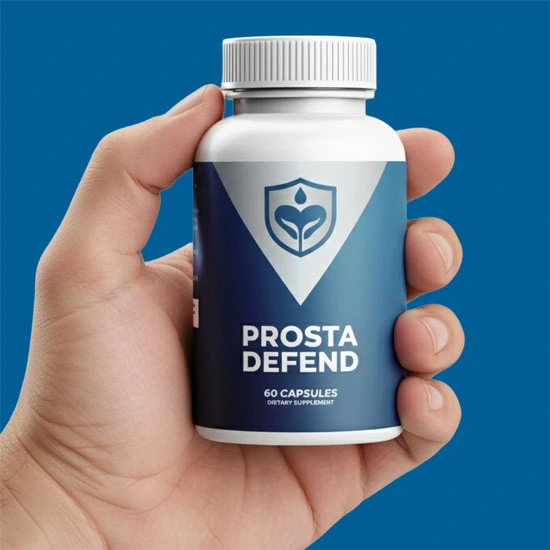
Combining these scientifically-backed ingredients with a healthy lifestyle, including regular exercise, offers a comprehensive strategy for supporting prostate health. Products like ProstaDefend are formulated to deliver these potent compounds in optimal dosages, providing a convenient and effective way to bolster your prostate wellness journey. For more information on where to find such solutions, you might want to review where to buy ProstaDefend.
Take the Next Step Towards Optimal Prostate Health
While exercise and diet form the foundation of prostate health, ProstaDefend offers a comprehensive blend of natural ingredients scientifically studied for their role in supporting prostate function, reducing BPH symptoms, and promoting overall urinary health. It's designed to be a powerful complement to your healthy lifestyle.
- Supports healthy prostate size and function
- Reduces frequent urination and urgency
- Improves urinary flow and bladder emptying
- Formulated with clinically-backed natural ingredients
- Made in an FDA-registered, GMP-certified facility




What Our Customers Say About ProstaDefend
"I was skeptical at first, but ProstaDefend has made a genuine difference. My nights are less interrupted, and I feel much more comfortable throughout the day. It's truly helped me reclaim my sleep and energy."
"After years of dealing with constant urgency, I finally decided to try something natural. ProstaDefend was recommended, and I'm so glad I listened. The improvement in my urinary flow and reduction in urgency is remarkable. Highly recommend!"
"I combined ProstaDefend with my regular exercise routine, and the results have been fantastic. My BPH symptoms are significantly milder, and I feel more energetic. It's a great addition to my prostate health regimen."
Frequently Asked Questions
How often should I perform exercises for prostate health?
+Consistency is key. Aim for 3-5 times a week for aerobic and strength training, and daily for pelvic floor exercises. Even short bursts of activity throughout the day can add up and provide benefits.
Can exercises really reduce BPH symptoms?
+Yes, studies show that regular exercise can significantly improve BPH symptoms by reducing inflammation, aiding weight management, and improving pelvic floor function. While it may not cure BPH, it can dramatically improve quality of life and manage discomfort.
Are Kegel exercises only for women?
+No, Kegel exercises are highly beneficial for men, especially for improving urinary control, managing post-void dribbling, and supporting prostate health. They strengthen the same pelvic floor muscles that are crucial for male urinary function.
What kind of diet supports prostate health alongside exercise?
+A diet rich in fruits, vegetables, whole grains, and healthy fats (like omega-3s) is crucial. Limiting red meat, processed foods, and excessive alcohol can also help. Focus on anti-inflammatory foods and those rich in antioxidants like lycopene and zinc.
How does ProstaDefend fit into a prostate health regimen?
+ProstaDefend is designed to complement a healthy lifestyle, providing targeted nutritional support with natural ingredients that work synergistically to maintain prostate health and alleviate BPH symptoms. It offers a convenient way to ensure you're getting key nutrients for prostate wellness.
Is ProstaDefend safe to use with other medications?
+While ProstaDefend uses natural ingredients, it's always recommended to consult with your healthcare provider before starting any new supplement, especially if you are taking other medications or have pre-existing medical conditions. This ensures there are no potential interactions.
Related Articles