Struggling with BPH Symptoms? Your Plate Might Be the Key!
Benign Prostatic Hyperplasia (BPH), commonly known as an enlarged prostate, is a condition that affects millions of men worldwide, particularly as they age. Its symptoms, which can include frequent urination, weak stream, and nocturia (waking up at night to urinate), can significantly impact quality of life. While medical treatments are available, many men are seeking natural, complementary approaches to manage their symptoms and support overall prostate health.
The good news is that your diet plays a profound role in the health of your prostate. Integrating specific foods rich in antioxidants, anti-inflammatory compounds, and essential nutrients can be a powerful strategy. It's not about quick fixes, but about adopting a sustainable eating pattern that nourishes your body and helps reduce prostate enlargement naturally. Understanding the connection between nutrition and prostate health is the first step towards feeling better and living more comfortably.
Understanding Benign Prostatic Hyperplasia (BPH) and Its Dietary Links
Before diving into specific foods, it's essential to grasp what BPH is and why diet matters. BPH is a non-cancerous enlargement of the prostate gland, a small gland located just below the bladder in men. Its primary function is to produce seminal fluid.
As men age, the prostate gland often begins to grow, pressing on the urethra—the tube that carries urine from the bladder out of the body. This pressure can lead to various urinary symptoms, including frequent urination, urgency, a weak or interrupted urine stream, and the feeling of incomplete bladder emptying. While the exact cause of BPH is not fully understood, it's believed to be linked to hormonal changes as men age, particularly an increase in dihydrotestosterone (DHT) and an imbalance between estrogen and testosterone. Chronic inflammation also plays a significant role in its development and progression.
This is where diet comes into play. The foods we consume can either fuel inflammation and hormonal imbalances or help mitigate them. A diet rich in processed foods, unhealthy fats, and refined sugars can exacerbate inflammation and oxidative stress, potentially contributing to prostate enlargement. Conversely, a diet abundant in fruits, vegetables, whole grains, and lean proteins provides the body with the tools it needs to reduce inflammation, balance hormones, and protect cells from damage, thereby supporting a healthy prostate.
Making informed dietary choices is a proactive step toward managing BPH symptoms and promoting long-term urological health. It's a natural, accessible way to empower yourself in your health journey, working synergistically with other treatments your doctor might recommend.
💡 Key Takeaway
BPH is a common age-related prostate enlargement causing urinary symptoms. While hormonal changes are key, diet significantly influences inflammation and oxidative stress, making it a powerful tool for natural management.
Top Foods to Incorporate for Prostate Health
A balanced diet focused on whole, unprocessed foods is the cornerstone of prostate health. Here are some of the most beneficial food groups and specific items you should consider adding to your daily meals.
Tomatoes and Other Lycopene-Rich Foods
Tomatoes are perhaps the most famous prostate-friendly food, primarily due to their high content of lycopene. Lycopene is a powerful antioxidant that gives red fruits and vegetables their vibrant color. Research suggests that lycopene can help reduce the risk of prostate enlargement and may slow the progression of BPH by fighting oxidative stress and inflammation. It's particularly bioavailable when tomatoes are cooked, so think tomato sauce, paste, or soup. Other good sources include watermelon, pink grapefruit, and guava.
Fatty Fish (Omega-3 Fatty Acids)
Cold-water fatty fish like salmon, mackerel, tuna, and sardines are excellent sources of omega-3 fatty acids. These essential fats are renowned for their potent anti-inflammatory properties, which are crucial for managing BPH, as inflammation is a key factor in its development. Omega-3s can help reduce the inflammatory markers in the body, potentially easing prostate swelling and discomfort. Aim for at least two servings of fatty fish per week. If fish isn't an option, consider flaxseeds, chia seeds, and walnuts for plant-based omega-3s.
Cruciferous Vegetables (Broccoli, Cauliflower, Cabbage)
Broccoli, cauliflower, Brussels sprouts, and cabbage are rich in compounds like sulforaphane and indole-3-carbinol, which have been extensively studied for their anti-cancer properties. These compounds also support prostate health by helping to detoxify harmful substances and modulate hormone levels, particularly estrogen, which can play a role in prostate growth. Incorporating a variety of these vegetables into your diet daily can provide significant protective benefits.
Leafy Green Vegetables (Spinach, Kale, Collard Greens)
These nutrient powerhouses are packed with vitamins, minerals, and antioxidants, including vitamin K, folate, and various carotenoids. They are particularly high in anti-inflammatory compounds that can help reduce systemic inflammation, a known contributor to BPH. Regular consumption of leafy greens can support overall cellular health and provide a protective effect against prostate enlargement. Try to include them in smoothies, salads, or as a side dish with every meal.
Nuts and Seeds (Zinc, Selenium, Vitamin E)
Pumpkin seeds are particularly beneficial for prostate health due to their high zinc content. Zinc is crucial for prostate function and can help reduce the size of an enlarged prostate. Other nuts and seeds like almonds, walnuts, flaxseeds, and sunflower seeds provide healthy fats, vitamin E, and selenium, all of which offer antioxidant protection and support cellular health. Selenium, found in Brazil nuts, is another powerful antioxidant linked to prostate health. A handful of mixed nuts and seeds daily can be a great snack.
Berries (Antioxidants)
Blueberries, strawberries, raspberries, and blackberries are bursting with antioxidants, particularly anthocyanins, which give them their rich colors. These compounds combat oxidative stress and inflammation throughout the body, including the prostate. Regular intake of berries can help protect prostate cells from damage and contribute to overall cellular regeneration. They make a great addition to breakfast cereals, yogurts, or as a standalone snack.
Avocados (Beta-Sitosterol)
Avocados are rich in healthy monounsaturated fats, vitamins, and minerals. More importantly for prostate health, they contain beta-sitosterol, a plant sterol that has been shown to improve urinary flow and reduce residual urine volume in men with BPH. Beta-sitosterol is also found in other plant foods, but avocados offer a delicious and versatile way to incorporate it into your diet. Enjoy them in salads, sandwiches, or as guacamole.
Pomegranate (Ellagic Acid)
Pomegranate juice and the fruit itself are potent sources of antioxidants, particularly ellagic acid. Studies suggest that pomegranate may have anti-inflammatory and anti-proliferative effects, meaning it could help inhibit the growth of prostate cells. While more research is ongoing, including pomegranate in your diet as juice (preferably unsweetened) or fresh fruit can be a beneficial addition to your prostate-friendly regimen.
Foods to Limit or Avoid for Optimal Prostate Health
Just as certain foods can help, others can hinder your prostate health. Reducing your intake of these items can be as important as increasing beneficial ones.
Red Meat and Processed Meats: High consumption of red meat, especially processed varieties like bacon, sausage, and cold cuts, has been linked to an increased risk of BPH and prostate cancer. These meats can contain compounds that promote inflammation and contribute to hormonal imbalances. Opt for lean protein sources like fish, poultry, and plant-based proteins instead.
High-Fat Dairy Products: Some research suggests a correlation between high intake of dairy products, particularly those high in fat, and an increased risk of BPH. While dairy provides calcium, excessive consumption might contribute to inflammation. Consider switching to low-fat or plant-based alternatives like almond milk or oat milk, and ensure you're getting calcium from other sources like leafy greens and fortified foods.
Refined Sugars and Processed Foods: Sugary drinks, candies, pastries, and highly processed snacks can lead to spikes in blood sugar and insulin levels, which can promote inflammation and contribute to overall metabolic dysfunction. Chronic inflammation is a significant driver of prostate enlargement. Reducing these foods can help stabilize blood sugar and lower inflammatory responses in the body.
Unhealthy Fats (Trans Fats and Saturated Fats): Found in fried foods, baked goods, and many fast foods, trans fats and excessive saturated fats can exacerbate inflammation and negatively impact cardiovascular health, which is often linked to prostate health. Focus on healthy fats from avocados, nuts, seeds, and olive oil instead.
Excessive Alcohol and Caffeine: While moderate consumption might be acceptable for some, excessive alcohol and caffeine can act as diuretics and bladder irritants, potentially worsening urinary symptoms associated with BPH. Reducing or eliminating these can help alleviate urgency and frequency.
💡 Key Takeaway
Limiting red and processed meats, high-fat dairy, refined sugars, unhealthy fats, and excessive alcohol/caffeine can significantly reduce inflammation and irritation, positively impacting BPH symptoms.
Lifestyle Factors Supporting a Prostate-Friendly Diet
Diet is a powerful tool, but it's part of a larger picture. A holistic approach that integrates other healthy lifestyle habits can amplify the benefits of your prostate-friendly diet.
Regular Exercise
Physical activity can help maintain a healthy weight, which is crucial as obesity is a known risk factor for BPH. Exercise also improves circulation, reduces inflammation, and can positively influence hormone levels. Aim for at least 30 minutes of moderate-intensity exercise most days of the week, combining aerobic activities with strength training.
Stay Hydrated
Drinking enough water is essential for overall health, including urinary tract function. While it might seem counterintuitive for someone with urinary frequency, proper hydration helps flush out toxins and keeps urine from becoming too concentrated, which can irritate the bladder. Spread your water intake throughout the day and reduce it closer to bedtime to minimize nocturia.
Maintain a Healthy Weight
Excess body fat, particularly around the abdomen, can increase inflammation and alter hormone metabolism, contributing to prostate enlargement. Adopting a prostate-friendly diet and engaging in regular exercise are the best ways to achieve and maintain a healthy weight, thereby reducing your risk and symptoms of BPH.
Manage Stress
Chronic stress can impact various bodily systems, including hormonal balance and inflammatory responses. Practices like meditation, yoga, deep breathing exercises, and spending time in nature can help manage stress levels, which in turn can indirectly support prostate health. Prioritizing relaxation is a key component of holistic well-being.
Regular Check-ups
Even with the best diet and lifestyle, regular medical check-ups are vital. Your doctor can monitor your prostate health, assess your symptoms, and recommend appropriate screenings or treatments. Dietary changes are a complementary strategy, not a replacement for professional medical advice. Discuss your dietary plan with your physician.
Key Nutrients and Their Role in Prostate Health
Beyond whole foods, understanding the specific nutrients that benefit the prostate can help you make more targeted dietary choices. Many of these are found abundantly in the foods we've discussed, but some may also be available as supplements. For more detailed information on specific ingredients, you might find our article on Pygeum Africanum Benefits for Prostate Health insightful, as it highlights one such powerful ingredient.
Lycopene
Role: A potent antioxidant that helps protect cells from damage, reduces inflammation, and may inhibit the growth of prostate cells. It's particularly effective in cooked tomatoes.
Omega-3 Fatty Acids
Role: Known for their powerful anti-inflammatory effects, omega-3s can help reduce the swelling and discomfort associated with an enlarged prostate. Found in fatty fish, flaxseeds, and walnuts.
Beta-Sitosterol
Role: A plant sterol that has been shown to improve urinary flow and reduce residual urine volume by helping to relax the muscles around the prostate and bladder. Found in avocados, pumpkin seeds, and some vegetable oils.
Zinc
Role: Essential for normal prostate function and immune health. Zinc deficiency has been linked to prostate enlargement. It plays a role in regulating testosterone metabolism. Abundant in pumpkin seeds, oysters, and beef.
Vitamin C
Role: A strong antioxidant that supports immune function and helps reduce oxidative stress. High concentrations are found in citrus fruits, bell peppers, and broccoli.
Vitamin E
Role: Another powerful antioxidant that protects cell membranes from damage. Found in nuts, seeds, leafy greens, and vegetable oils.
Selenium
Role: A trace mineral with antioxidant properties that supports immune health and may help protect against prostate issues. Brazil nuts are an exceptional source.
Phytosterols
Role: Plant compounds structurally similar to cholesterol that can help block the absorption of cholesterol and have anti-inflammatory effects. Found in nuts, seeds, and legumes.
Integrating Supplements for Enhanced Prostate Support
While a diet rich in prostate-friendly foods is fundamental, sometimes it can be challenging to get optimal levels of all beneficial nutrients through diet alone. This is where high-quality dietary supplements can play a supportive role, offering concentrated doses of ingredients known to aid prostate health.
When considering supplements, look for those that contain a blend of scientifically-backed ingredients. For example, some men find relief from symptoms of prostate inflammation through specialized supplements. You can learn more about how to choose an effective prostate inflammation supplement that complements your dietary efforts. Key ingredients often include saw palmetto, beta-sitosterol, pygeum africanum, zinc, selenium, and various antioxidants.
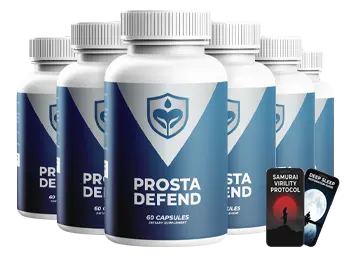
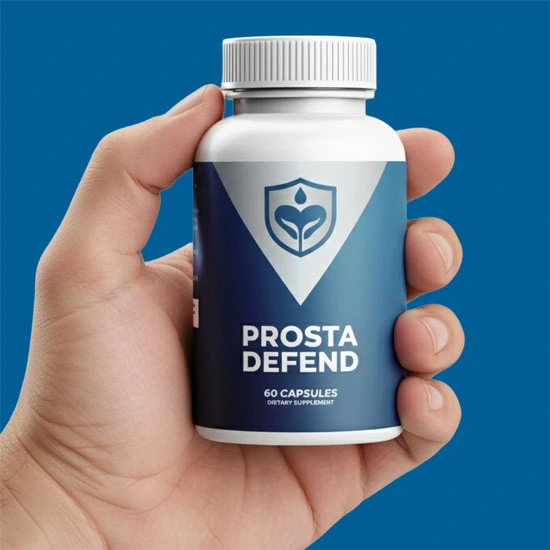
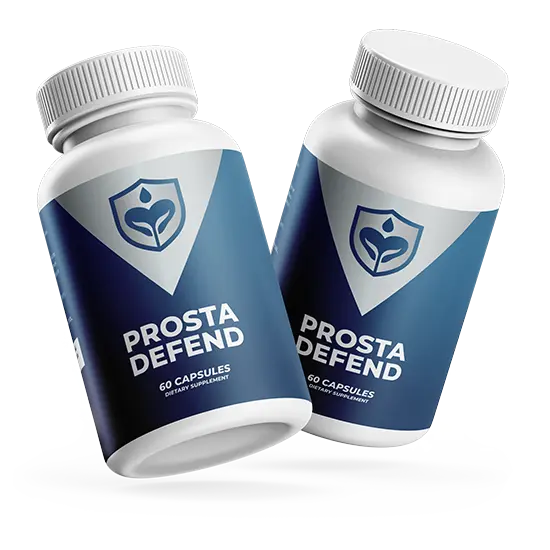
ProstaDefend is one such natural supplement formulated to provide comprehensive support for prostate health. It combines a synergistic blend of vitamins, minerals, and herbal extracts specifically chosen for their proven benefits in managing BPH symptoms and promoting overall prostate well-being. Ingredients like Saw Palmetto, Beta-Sitosterol, and Pygeum Africanum work together to reduce inflammation, support healthy urinary function, and balance hormone levels. For those seeking the best prostate health supplement, ProstaDefend offers a convenient way to ensure consistent intake of these crucial nutrients, acting as a powerful ally to your healthy eating habits.
Remember, supplements are intended to supplement, not replace, a healthy diet and lifestyle. Always discuss any new supplements with your healthcare provider, especially if you have underlying health conditions or are taking other medications, to ensure they are appropriate for your individual needs.
Ready to Take Control of Your Prostate Health?
While diet is a cornerstone, ProstaDefend offers an advanced, all-natural solution designed to complement your efforts. Our expertly formulated supplement provides a powerful blend of ingredients to support a healthy prostate and alleviate the discomfort of BPH.
- ✓ Supports Healthy Prostate Size
- ✓ Promotes Normal Urinary Flow
- ✓ Reduces Frequent Urination & Urgency
- ✓ All-Natural, Clinically Backed Ingredients
- ✓ Made in USA, GMP Certified



What Our Customers Are Saying
"I was skeptical at first, but after consistently incorporating more prostate-friendly foods and adding ProstaDefend, I've noticed a significant difference. My night-time trips to the bathroom are fewer, and I feel like I'm finally getting a full night's sleep. It's truly been a game-changer for my quality of life."
"For years, I've struggled with a weak stream and the constant urge to go. Changing my diet was a big step, but ProstaDefend really helped accelerate my progress. The combination has made my urinary flow much stronger and more consistent. I wish I had found this sooner!"
"As someone who prefers natural solutions, I focused heavily on my diet. ProstaDefend was recommended as a complementary approach. The results speak for themselves – less discomfort, fewer bathroom breaks, and overall improved confidence. It's a fantastic addition to a healthy lifestyle."
Frequently Asked Questions
Can diet alone cure Benign Prostatic Hyperplasia (BPH)?
+While diet plays a crucial role in managing BPH symptoms and supporting prostate health, it's generally not considered a cure. A healthy diet can significantly reduce inflammation, balance hormones, and provide antioxidants that may slow progression or alleviate symptoms. However, BPH is a complex condition, and a comprehensive approach involving lifestyle changes, medical supervision, and sometimes medication or surgery, is often necessary. Always consult your doctor for a personalized treatment plan.
Which foods are most important for prostate health and reducing enlargement?
+Foods rich in lycopene (tomatoes, watermelon), omega-3 fatty acids (fatty fish like salmon, flaxseeds), zinc (pumpkin seeds, oysters), vitamin C (citrus fruits, bell peppers), and antioxidants (berries, green tea, leafy greens) are among the most beneficial. Cruciferous vegetables like broccoli and cauliflower also contain compounds that support prostate health. A balanced diet focused on whole, unprocessed foods is key.
Are there any foods I should strictly avoid if I have BPH?
+While 'strictly avoid' might be strong for all cases, it's generally advisable to limit or avoid red and processed meats, high-fat dairy products, refined sugars, excessive caffeine, and alcohol. These foods can contribute to inflammation, hormonal imbalances, and urinary irritation, potentially worsening BPH symptoms. Individual sensitivities may vary, so observing your body's response to different foods is important.
How long does it take to see results from dietary changes for BPH?
+The timeline for seeing results from dietary changes can vary significantly from person to person. Some individuals might experience subtle improvements in symptoms like urinary flow or frequency within a few weeks to a couple of months, especially if they make consistent and substantial changes. For others, it might take longer, or the benefits might be more about slowing progression rather than immediate symptom relief. Consistency and a holistic approach are key.
Is ProstaDefend a substitute for a healthy diet and lifestyle?
+No, ProstaDefend is designed to be a powerful dietary supplement that complements a healthy diet and lifestyle, not replace it. It provides concentrated dosages of key nutrients and herbal extracts known to support prostate health, which can be difficult to obtain solely through diet. For optimal prostate health, it's recommended to combine ProstaDefend with a balanced, prostate-friendly diet, regular exercise, and stress management.
Should I consult a doctor or nutritionist before changing my diet for BPH?
+Absolutely. Before making significant dietary changes, especially if you have an existing medical condition like BPH or are taking medications, it is highly recommended to consult with your doctor or a registered dietitian. They can provide personalized advice, ensure your dietary plan is safe and effective, and help integrate it with your overall medical treatment plan. Self-treating without professional guidance can be risky.
Related Articles