Are you looking for natural, effective ways to support your prostate health and alleviate common concerns?
For many men, particularly as they age, prostate health becomes a significant focus. Conditions like Benign Prostatic Hyperplasia (BPH), or an enlarged prostate, can disrupt daily life, leading to frequent urination, weak stream, and discomfort. While medical interventions are available, a growing number of men are seeking natural approaches to complement their care.
The good news is that your diet, lifestyle choices, and specific nutritional supplements can play a crucial role in maintaining a healthy prostate. Understanding these natural strategies is the first step towards proactive prostate care and an improved quality of life.
Understanding Prostate Health and Benign Prostatic Hyperplasia (BPH)
Before diving into natural solutions, it's essential to understand what the prostate gland is and what BPH entails. This knowledge empowers you to make informed decisions about your health.
The prostate is a small, walnut-sized gland located just below the bladder in men. Its primary function is to produce seminal fluid, which nourishes and transports sperm. As men age, it's common for the prostate gland to enlarge, a condition known as Benign Prostatic Hyperplasia (BPH). This enlargement can compress the urethra, the tube that carries urine from the bladder out of the body, leading to a variety of uncomfortable urinary symptoms.
Common symptoms of BPH include frequent urination, especially at night (nocturia), a weak or interrupted urine stream, difficulty starting urination, dribbling at the end of urination, and a feeling of incomplete bladder emptying. While BPH is not prostate cancer and does not increase your risk of developing prostate cancer, its symptoms can significantly impact a man's quality of life. Understanding these symptoms is the first step towards seeking appropriate care and exploring how to improve prostate health naturally.
💡 Key Takeaway
BPH is a non-cancerous prostate enlargement common with aging, leading to bothersome urinary symptoms. Recognizing these symptoms is crucial for early intervention and exploring natural support options.
The Power of Diet: Foods That Support Prostate Health
Your diet is one of the most powerful tools you have for maintaining a healthy prostate. Incorporating specific foods rich in antioxidants, anti-inflammatory compounds, and essential nutrients can significantly reduce the risk and severity of BPH symptoms.
Lycopene-Rich Foods: Tomatoes and Watermelon
Lycopene is a potent antioxidant found abundantly in red fruits and vegetables. It's particularly concentrated in cooked tomatoes (tomato paste, sauce, juice), as heat processing makes it more bioavailable. Studies suggest lycopene can help reduce prostate inflammation and oxidative stress, potentially slowing prostate enlargement. Watermelon, pink grapefruit, and papayas are also good sources.
Omega-3 Fatty Acids: Fatty Fish and Flaxseeds
Found in fatty fish like salmon, mackerel, and sardines, Omega-3 fatty acids are renowned for their anti-inflammatory properties. Chronic inflammation is a known contributor to prostate issues, including BPH. Incorporating these fish into your diet a few times a week can be beneficial. For vegetarians, flaxseeds, chia seeds, and walnuts are excellent plant-based sources of ALA, which the body can convert to Omega-3s.
Cruciferous Vegetables: Broccoli, Cabbage, and Kale
Vegetables such as broccoli, cauliflower, Brussels sprouts, and kale contain compounds like sulforaphane and indole-3-carbinol. These compounds have been shown to have anti-cancer properties and can help regulate hormone levels, which is crucial for prostate health. Aim for several servings of these powerful vegetables each week.
Zinc-Rich Foods: Oysters, Pumpkin Seeds, and Nuts
Zinc is a vital trace mineral found in high concentrations in a healthy prostate gland. Low zinc levels have been linked to an enlarged prostate. Oysters are an exceptional source, but pumpkin seeds, cashews, almonds, and beans also provide significant amounts. Regular intake of these foods can help maintain optimal zinc levels.
Berries and Citrus Fruits: Antioxidant Powerhouses
Blueberries, strawberries, raspberries, and citrus fruits like oranges and lemons are packed with Vitamin C and other antioxidants. These compounds help protect cells from damage caused by free radicals, which can contribute to prostate issues. Antioxidants also support overall immune function and reduce inflammation.
Conversely, limiting certain foods can also make a significant difference. High consumption of red meat, processed foods, excessive dairy, and sugary drinks has been associated with increased prostate risks. Reducing caffeine and alcohol intake can also alleviate urinary symptoms related to BPH.
💡 Key Takeaway
A diet rich in lycopene (tomatoes), Omega-3s (fatty fish), cruciferous vegetables, zinc (pumpkin seeds), and antioxidants (berries) is foundational for optimal prostate health. Limiting red meat and processed foods is also crucial.
Essential Vitamins and Minerals for Prostate Support
While a balanced diet is paramount, certain vitamins and minerals are particularly beneficial for prostate health and may require targeted attention, especially as dietary intake can vary.
1. Zinc: As mentioned, zinc is critical for prostate function. It plays a role in numerous cellular processes, including hormone metabolism and immune response. Studies show that prostate tissue accumulates more zinc than any other soft tissue in the body, and zinc deficiency has been linked to prostate enlargement. Good sources include oysters, lean beef, chicken, beans, nuts, and whole grains.
2. Selenium: This trace mineral is a powerful antioxidant that helps protect cells from damage. Research suggests that adequate selenium intake may be associated with a reduced risk of prostate issues. Brazil nuts are an excellent source, along with fish, shellfish, and poultry.
3. Vitamin D: Often called the "sunshine vitamin," Vitamin D is crucial for overall health, including bone health and immune function. Emerging research indicates a significant link between Vitamin D levels and prostate health, with lower levels potentially associated with an increased risk of BPH and other prostate conditions. Sun exposure, fatty fish, and fortified foods are primary sources.
4. Vitamin E: Another potent antioxidant, Vitamin E helps protect cells from oxidative damage. While some studies have shown mixed results regarding its direct impact on prostate cancer prevention, it remains a valuable nutrient for general cellular health and inflammation reduction. Nuts, seeds, and leafy green vegetables are good sources.
5. Vitamin C: Beyond its role as an antioxidant, Vitamin C supports immune function and collagen production. While not directly specific to prostate enlargement, a strong immune system and healthy tissues contribute to overall well-being, which indirectly benefits prostate health. Citrus fruits, bell peppers, and broccoli are rich in Vitamin C.
Ensuring you get enough of these key micronutrients through your diet and, if necessary, through a high-quality supplement, can provide robust support for your prostate.
💡 Key Takeaway
Zinc, Selenium, Vitamin D, Vitamin E, and Vitamin C are crucial micronutrients for prostate health, offering antioxidant protection, supporting hormone balance, and reducing inflammation. Ensure adequate intake through diet or supplementation.
Lifestyle Modifications for Optimal Prostate Health
Beyond diet and specific nutrients, your daily habits and lifestyle choices play a monumental role in managing BPH and promoting long-term prostate wellness.
Regular Physical Activity
Engaging in moderate exercise most days of the week can significantly benefit prostate health. Physical activity helps maintain a healthy weight, which is crucial as obesity is a known risk factor for prostate enlargement. Exercise also improves circulation, reduces inflammation, and can alleviate stress, all contributing to better prostate function. Aim for at least 30 minutes of brisk walking, jogging, swimming, or cycling daily.
Maintain a Healthy Weight
Excess body fat, particularly around the abdomen, can influence hormone levels and increase inflammation, both of which can negatively impact the prostate. Achieving and maintaining a healthy body mass index (BMI) through a balanced diet and regular exercise is one of the most effective strategies for supporting prostate health and reducing BPH symptoms.
Stay Hydrated
Adequate water intake is essential for flushing toxins from the body and maintaining overall urinary tract health. While it might seem counterintuitive to drink more when experiencing urinary frequency, proper hydration helps dilute urine, making it less irritating to the bladder. However, it's wise to limit fluid intake a few hours before bedtime to reduce nighttime urination.
Manage Stress Effectively
Chronic stress can exacerbate BPH symptoms by affecting hormone levels and increasing muscle tension in the pelvic floor, which can further constrict the urethra. Incorporating stress-reducing activities like meditation, yoga, deep breathing exercises, spending time in nature, or engaging in hobbies can significantly improve your quality of life and potentially ease prostate discomfort.
Limit Caffeine and Alcohol
Both caffeine and alcohol are diuretics and can irritate the bladder, leading to increased urinary frequency and urgency. Reducing your intake of coffee, tea, soda, and alcoholic beverages, especially in the evening, can help alleviate BPH symptoms and promote more restful sleep. Experiment to see how different amounts affect you.
Practice Good Urination Habits
Don't hold urine for too long, as this can stretch the bladder and weaken its muscles over time. Urinate when you feel the urge, and try to empty your bladder completely each time. Double voiding (urinating, waiting a few moments, and then trying to urinate again) can help ensure complete emptying and reduce residual urine.
💡 Key Takeaway
Embrace regular exercise, maintain a healthy weight, stay hydrated, manage stress, limit bladder irritants like caffeine and alcohol, and practice good urination habits to significantly improve prostate health and reduce BPH symptoms.
Herbal Extracts and Natural Compounds for Prostate Support
Beyond diet and lifestyle, a range of natural herbal extracts and compounds have been traditionally used and scientifically studied for their potential benefits in supporting prostate health and managing BPH symptoms.
Many men turn to these natural ingredients to complement their holistic approach to prostate care. While individual results may vary, the cumulative effect of these botanicals can be quite powerful. For an in-depth analysis of various supplements, you might find our prostate defense supplement review insightful.
Here are some of the most well-regarded natural ingredients that contribute to prostate wellness:
ProstaDefend: A Natural Approach to Prostate Wellness
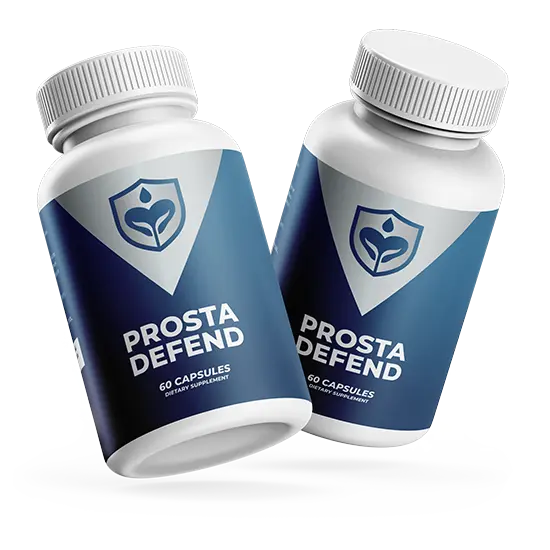
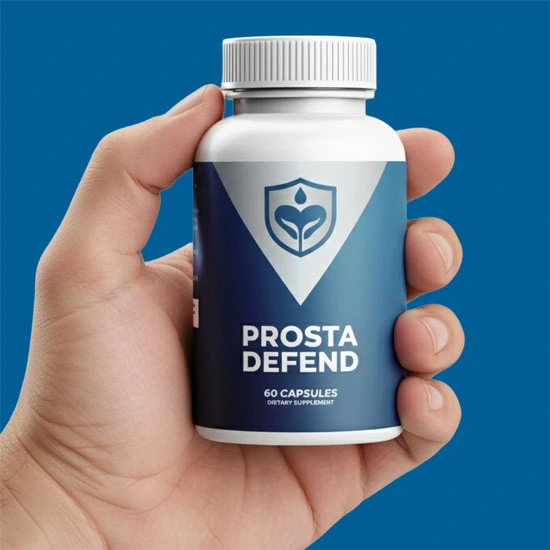
While dietary and lifestyle changes form the bedrock of prostate health, sometimes a targeted supplement can provide additional support, especially when sourcing all necessary nutrients and compounds from food alone is challenging. This is where a carefully formulated product like ProstaDefend comes into play, offering a blend of some of the most researched natural ingredients for prostate support.
Saw Palmetto Extract
Role: One of the most popular and well-researched herbs for prostate health, Saw Palmetto is believed to help reduce BPH symptoms by inhibiting the enzyme 5-alpha-reductase, which converts testosterone into dihydrotestosterone (DHT), a hormone linked to prostate enlargement. It can help improve urinary flow and reduce nighttime urination.
Beta-Sitosterol
Role: A plant sterol found in various plant foods, Beta-Sitosterol has been shown to improve urinary flow and reduce residual urine volume in men with BPH. It's thought to work by reducing inflammation and swelling in the prostate.
Pygeum Africanum Bark
Role: Derived from the bark of the African plum tree, Pygeum extract has anti-inflammatory properties and can help reduce prostate swelling. It's often used to improve urinary symptoms associated with BPH, such as frequency and urgency.
Zinc
Role: An essential mineral highly concentrated in healthy prostate tissue. Zinc deficiency is often observed in men with BPH. It plays a crucial role in maintaining prostate cell health, immune function, and hormone balance.
Lycopene
Role: A powerful antioxidant found in tomatoes, lycopene protects prostate cells from oxidative damage and inflammation. It's associated with a reduced risk of prostate enlargement and maintaining overall prostate health.
Green Tea Extract
Role: Rich in catechins, particularly EGCG, green tea extract possesses strong antioxidant and anti-inflammatory properties. It may help inhibit the growth of prostate cells and support cellular health.
Nettle Root Extract
Role: Often used in combination with Saw Palmetto, Nettle Root can help alleviate BPH symptoms by interfering with hormones that cause prostate enlargement and by reducing inflammation.
Pumpkin Seed Extract
Role: Rich in zinc, fatty acids, and antioxidants, pumpkin seeds have been traditionally used to support urinary health and reduce BPH symptoms. They can help strengthen bladder muscles and improve urine flow.
Selenium
Role: Another vital trace mineral with potent antioxidant properties. Selenium helps protect prostate cells from damage and supports a healthy immune system, contributing to long-term prostate wellness.
ProstaDefend is designed to offer a synergistic blend of these ingredients, working together to support urinary function, reduce prostate inflammation, and promote overall prostate health. If you're considering a supplement, exploring the best prostate supplement for 2025 could offer further guidance.
Ready to Take Control of Your Prostate Health Naturally?
ProstaDefend offers a powerful, all-natural solution to support men's prostate health, addressing the root causes of discomfort and promoting optimal urinary function. Formulated with clinically studied ingredients, it's designed to help you regain comfort and confidence.
- ✓ Supports healthy prostate size and function
- ✓ Reduces frequent urination and improves stream
- ✓ Promotes restful sleep by reducing nighttime trips to the bathroom
- ✓ All-natural, non-GMO, and stimulant-free formula
- ✓ Manufactured in an FDA-registered, GMP-certified facility



Real Results from Real Men
"I was skeptical, but ProstaDefend has truly changed my life. The constant urge to urinate, especially at night, was making me miserable. After just a few weeks, I noticed a significant improvement in my urinary flow and I'm sleeping through the night again. It feels incredible to have this relief naturally."
"My doctor recommended I look into natural options for my enlarged prostate. I found ProstaDefend and decided to give it a try. I'm so glad I did! My stream is stronger, and I no longer feel like I have to rush to the bathroom all the time. This product, combined with a healthier diet, has made a huge difference."
"As a busy professional, I needed something effective but also natural. ProstaDefend delivered. The nagging discomfort and frequent bathroom breaks were impacting my work and social life. Now, I feel much more comfortable and in control. It's empowering to support my prostate health without harsh chemicals."
Frequently Asked Questions
What is Benign Prostatic Hyperplasia (BPH) and how does it affect me?
+Benign Prostatic Hyperplasia (BPH) is a common, non-cancerous enlargement of the prostate gland that affects many men as they age. It can lead to bothersome urinary symptoms such as frequent urination (especially at night), a weak urine stream, difficulty starting urination, and a feeling of incomplete bladder emptying. While not life-threatening, BPH can significantly impact quality of life.
Which foods are best for supporting prostate health?
+A diet rich in fruits, vegetables, and healthy fats is crucial. Key foods include tomatoes (high in lycopene), berries, leafy green vegetables (like spinach and kale), fatty fish (rich in Omega-3s), nuts (especially walnuts), seeds (like pumpkin and flax seeds), and cruciferous vegetables (broccoli, cauliflower). These foods provide antioxidants, anti-inflammatory compounds, and essential nutrients.
Are there specific vitamins or minerals important for prostate health?
+Yes, several micronutrients play a vital role. Zinc is essential for prostate function, selenium has antioxidant properties, Vitamin D is linked to prostate cell regulation, and Vitamin E may offer protective benefits. Ensuring adequate intake of these through diet or targeted supplementation can contribute to maintaining a healthy prostate.
How do lifestyle changes contribute to better prostate health?
+Beyond diet, lifestyle modifications are highly effective. Regular physical activity helps maintain a healthy weight and improves overall circulation. Managing stress, staying well-hydrated, avoiding excessive caffeine and alcohol, and practicing regular urination habits can all significantly reduce BPH symptoms and support long-term prostate wellness.
When should I consider a natural supplement like ProstaDefend?
+Natural supplements like ProstaDefend can be considered as a supportive measure, especially when dietary and lifestyle changes alone aren't fully addressing symptoms or when you want comprehensive nutritional support. ProstaDefend is formulated with a blend of well-researched ingredients designed to complement a healthy lifestyle. Always consult with your doctor before starting any new supplement regimen.
Is ProstaDefend safe and does it have side effects?
+ProstaDefend is made with natural ingredients and manufactured in an FDA-registered, GMP-certified facility in the USA, ensuring high quality and purity. While generally well-tolerated, as with any supplement, individual reactions can vary. It's always recommended to review the ingredient list for any potential allergens and to consult with a healthcare professional, especially if you have pre-existing medical conditions or are taking other medications, to ensure it's suitable for you.
Related Articles