Are your urinary symptoms a sign of something serious, or just a common age-related change?
For many men, changes in urinary habits are an inevitable part of aging. However, these symptoms can be confusing, often blurring the lines between common, benign conditions and more serious health concerns. Two of the most prevalent prostate conditions that affect men as they age are Benign Prostatic Hyperplasia (BPH) and Prostate Cancer. While both involve the prostate gland and can present with similar symptoms, their underlying nature, prognosis, and treatment strategies are fundamentally different.
Understanding the key distinctions between BPH and prostate cancer is not just academic; it's crucial for informed decision-making about your health. This article aims to clarify these differences, empowering you to recognize the signs, understand diagnostic approaches, and know when to seek medical advice. We'll delve into the causes, symptoms, diagnostic methods, and treatment options for each condition, helping you navigate the complexities of male urological health with confidence and clarity, emphasizing the importance of early detection and professional consultation.

The Prostate Gland: A Primer on Its Function and Importance
Before we dive into the distinctions, let's briefly review the prostate gland itself. Understanding its role is fundamental to grasping why these conditions impact men's health so significantly.
The prostate is a small, walnut-sized gland located just below the bladder and in front of the rectum. It surrounds the urethra, the tube that carries urine from the bladder out through the penis. The prostate's primary function is to produce seminal fluid, a milky liquid that nourishes and transports sperm during ejaculation. It plays a crucial role in male reproductive health.
As men age, the prostate gland naturally undergoes changes, making it susceptible to various conditions. These changes are often hormonal, with fluctuations in testosterone and estrogen levels contributing to prostate growth and cellular alterations. Because of its strategic location surrounding the urethra, any enlargement or abnormal growth within the prostate can directly impact urinary function, leading to the symptoms commonly associated with both BPH and prostate cancer. Therefore, maintaining prostate health throughout life is paramount for overall well-being and quality of life.
What is Benign Prostatic Hyperplasia (BPH)?
Benign Prostatic Hyperplasia, or BPH, is a non-cancerous enlargement of the prostate gland. It's an incredibly common condition, affecting about half of men between the ages of 51 and 60, and up to 90% of men over 80.
The term "benign" is key here – it means the growth is not cancerous and does not spread to other parts of the body. As the prostate gland enlarges, it can press on the urethra, obstructing the flow of urine from the bladder. This obstruction is what causes the characteristic lower urinary tract symptoms (LUTS) associated with BPH.
Causes and Risk Factors of BPH
The exact cause of BPH is not fully understood, but it is strongly linked to aging and hormonal changes, particularly shifts in testosterone and dihydrotestosterone (DHT) levels. As men get older, the balance of hormones changes, which can stimulate prostate cell growth. Key risk factors include:
- Aging: The older a man gets, the higher his chance of developing BPH. It rarely causes symptoms before age 40.
- Family History: If close male relatives (father or brother) have BPH, you are more likely to develop it.
- Ethnicity: BPH is more common in Western countries and less common in Asian countries.
- Medical Conditions: Obesity, heart disease, circulatory problems, and type 2 diabetes may increase the risk of BPH.
Understanding Prostate Cancer
In stark contrast to BPH, prostate cancer is a malignant condition characterized by the uncontrolled growth of abnormal cells within the prostate gland. It is one of the most common cancers among men, after skin cancer.
While many prostate cancers grow slowly and may not cause significant problems during a man's lifetime, others can be aggressive and spread rapidly to other parts of the body, a process known as metastasis. Early detection is crucial for effective treatment and improved outcomes.
Causes and Risk Factors of Prostate Cancer
The precise causes of prostate cancer are not entirely known, but several factors are recognized to increase a man's risk:
- Age: The risk of prostate cancer increases significantly with age, with most cases diagnosed in men over 65.
- Family History: Men with a father or brother who had prostate cancer, especially before age 65, have a higher risk.
- Race/Ethnicity: African American men have a higher risk of developing prostate cancer and are more likely to develop more aggressive forms of the disease at an earlier age.
- Genetics: Certain inherited gene mutations, such as BRCA1 and BRCA2, are linked to an increased risk.
- Diet: A diet high in red meat and high-fat dairy products, and low in fruits and vegetables, may contribute to an increased risk, though research is ongoing.
- Obesity: Some studies suggest a link between obesity and more aggressive prostate cancer.
💡 Key Takeaway
BPH is a benign enlargement causing urinary obstruction, primarily due to aging and hormones. Prostate cancer is a malignant growth with potential to spread, influenced by age, genetics, race, and lifestyle. Though they share symptoms, their fundamental nature and prognosis are entirely different, underscoring the need for accurate diagnosis.
Key Differences in Symptoms: BPH vs. Prostate Cancer
One of the most challenging aspects for men is distinguishing between the symptoms of BPH and prostate cancer, as they can overlap significantly. However, there are nuances worth noting.
Common BPH Symptoms (Lower Urinary Tract Symptoms - LUTS)
BPH symptoms are primarily obstructive, meaning they are caused by the enlarged prostate pressing on the urethra. These often include a frequent need to urinate (especially at night, known as nocturia), a weak or slow urinary stream, difficulty starting urination (hesitancy), a feeling of incomplete bladder emptying, and urgency to urinate. These symptoms tend to develop gradually over time.
Early Prostate Cancer Symptoms
Crucially, early-stage prostate cancer often has no symptoms at all. This is why regular screening is so important. When symptoms do occur, they can mimic BPH, such as urinary frequency, urgency, or weak stream. However, prostate cancer symptoms might also include blood in the urine (hematuria) or semen (hematospermia), pain or burning during urination, or erectile dysfunction. These are less common with BPH alone.
Advanced Prostate Cancer Symptoms
If prostate cancer has spread beyond the prostate, symptoms can become more severe and indicative of metastasis. These may include persistent pain in the lower back, hips, or pelvis, bone pain or fractures, unexplained weight loss, and fatigue. These systemic symptoms are not typically associated with BPH.
The Overlap and the Importance of Evaluation
Given the significant overlap in urinary symptoms, it is impossible to self-diagnose based on symptoms alone. Any man experiencing persistent urinary changes or new symptoms should consult a healthcare professional. A thorough evaluation is necessary to determine the underlying cause and ensure appropriate management. Delaying evaluation can have serious consequences, particularly if the cause is prostate cancer.
Diagnostic Approaches: How Doctors Distinguish Between BPH and Prostate Cancer
The diagnostic process for both BPH and prostate cancer often begins similarly, but diverges significantly as more information is gathered. Understanding these steps is key to appreciating why medical guidance is indispensable.
Initial Consult and Physical Exam
Regardless of symptoms, the first step is usually a discussion with your doctor about your medical history, symptoms, and a physical examination. This typically includes a Digital Rectal Exam (DRE). During a DRE, the doctor inserts a gloved, lubricated finger into the rectum to feel the prostate gland. They assess its size, shape, and texture. An enlarged, smooth prostate might suggest BPH, while hard, lumpy, or asymmetric areas could raise suspicion for cancer.
Prostate-Specific Antigen (PSA) Blood Test
The PSA test measures the level of prostate-specific antigen in your blood. PSA is a protein produced by both normal and cancerous prostate cells. While a high PSA level can indicate prostate cancer, it can also be elevated due to BPH, prostate infection (prostatitis), or even recent ejaculation. Therefore, a high PSA alone does not definitively diagnose cancer but warrants further investigation. Trends in PSA over time, known as PSA velocity, can also provide valuable insights.
Further Diagnostics for BPH
If BPH is suspected, additional tests might include:
- Urinalysis: To rule out infection or blood in the urine.
- Urinary Flow Test: Measures the speed and volume of urine flow.
- Post-Void Residual (PVR) Volume: Measures how much urine remains in the bladder after urination, indicating bladder emptying efficiency.
- Urodynamic Studies: Evaluate bladder pressure and function.
- Cystoscopy: A thin, flexible tube with a camera is inserted into the urethra to visualize the bladder and prostate.
Definitive Diagnosis for Prostate Cancer
If prostate cancer is suspected based on DRE findings, PSA levels, or other risk factors, the next steps are critical:
- Prostate Biopsy: This is the only definitive way to diagnose prostate cancer. A urologist uses a needle to take small tissue samples from the prostate, guided by ultrasound or MRI. The samples are then examined under a microscope for cancerous cells. The biopsy results also provide a Gleason score, which indicates the aggressiveness of the cancer.
- Imaging Tests: MRI, CT scans, or bone scans may be used to determine if the cancer has spread outside the prostate (staging).
It's important to discuss the pros and cons of screening and diagnostic tests with your doctor, as they involve potential risks and benefits.
Treatment Options: Tailoring Approaches for BPH and Prostate Cancer
Treatment strategies for BPH and prostate cancer are vastly different, reflecting their distinct pathologies. A correct diagnosis is paramount to receiving appropriate and effective care.
BPH Treatment Options
Treatment for BPH focuses on alleviating symptoms and improving urinary flow. Options vary based on symptom severity and individual preferences:
- Watchful Waiting: For mild symptoms, lifestyle changes (reducing fluid intake before bed, avoiding caffeine/alcohol) and regular monitoring may be sufficient.
- Medications:
- Alpha-blockers (e.g., tamsulosin, alfuzosin): Relax bladder neck muscles and prostate muscle fibers, making it easier to urinate.
- 5-alpha reductase inhibitors (e.g., finasteride, dutasteride): Shrink the prostate by blocking the production of hormones that cause prostate growth.
- Combination Therapy: Often, both types of medications are prescribed together for better results.
- Minimally Invasive Procedures: Various procedures can remove or reduce prostate tissue without major surgery, such as UroLift, Rezum water vapor therapy, and prostatic artery embolization.
- Surgery: For severe BPH symptoms that don't respond to other treatments, surgical options like Transurethral Resection of the Prostate (TURP), laser surgery, or open prostatectomy may be considered.
Prostate Cancer Treatment Options
Prostate cancer treatment is highly individualized, depending on the stage of cancer, its aggressiveness (Gleason score), the patient's age, overall health, and personal preferences. Options include:
- Active Surveillance/Watchful Waiting: For low-risk, slow-growing cancers, particularly in older men, doctors may recommend closely monitoring the cancer with regular PSA tests, DREs, and biopsies, rather than immediate treatment.
- Surgery (Radical Prostatectomy): Removal of the entire prostate gland, seminal vesicles, and sometimes nearby lymph nodes. This can be done via open surgery, laparoscopically, or robotically.
- Radiation Therapy: Uses high-energy rays to kill cancer cells. This can be external beam radiation (from a machine outside the body) or brachytherapy (placing radioactive seeds directly into the prostate).
- Hormone Therapy: Reduces the levels of male hormones (androgens) or blocks them from reaching prostate cancer cells, as prostate cancer often relies on these hormones to grow.
- Chemotherapy: Uses drugs to kill cancer cells throughout the body, typically for advanced or metastatic prostate cancer.
- Targeted Therapy and Immunotherapy: Newer treatments that target specific weaknesses in cancer cells or boost the body's immune system to fight cancer.
It's vital to have a detailed discussion with your urologist or oncologist to understand all available treatment paths and their potential side effects.
The Role of Lifestyle and Supplements in Prostate Health
While medical intervention is crucial for diagnosing and treating BPH and prostate cancer, lifestyle choices and dietary supplements can play a supportive role in overall prostate health, especially for managing BPH symptoms or as part of a preventative strategy.
Healthy Lifestyle Choices
Adopting a healthy lifestyle is beneficial for general health and can positively impact prostate well-being:
- Balanced Diet: A diet rich in fruits, vegetables, and whole grains, and low in red meat, processed foods, and unhealthy fats, is often recommended. Specific nutrients like lycopene (found in tomatoes), selenium, and zinc are often highlighted for their potential prostate benefits.
- Regular Exercise: Physical activity helps maintain a healthy weight, which is linked to a lower risk of both BPH and aggressive prostate cancer.
- Maintain a Healthy Weight: Obesity is a known risk factor for various prostate issues.
- Limit Alcohol and Caffeine: These can irritate the bladder and worsen urinary symptoms.
- Stay Hydrated: Drinking enough water throughout the day (but reducing intake before bed) supports kidney and bladder function.
Natural Supplements for Prostate Health
Many men turn to natural supplements to support prostate health, particularly in managing BPH symptoms. These supplements often contain a blend of vitamins, minerals, and herbal extracts known for their anti-inflammatory or hormone-modulating properties. It's important to remember that supplements are not a substitute for medical diagnosis or treatment, especially for prostate cancer.
For those interested in exploring natural options, researching vitamins for prostate health can be a good starting point. Ingredients such as Saw Palmetto, Beta-Sitosterol, Pygeum Africanum, and Zinc are commonly found in prostate support formulas. These ingredients are believed to help reduce inflammation, support healthy hormone balance, and improve urinary flow. A comprehensive approach to how to reduce prostate inflammation naturally often includes a combination of dietary changes, exercise, and targeted supplementation.
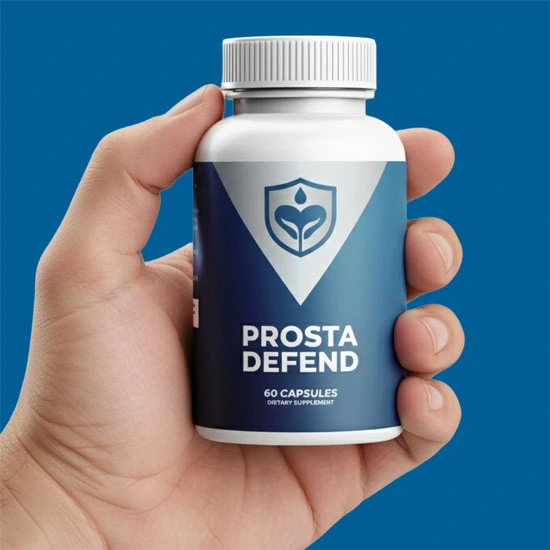
Key Ingredients in ProstaDefend for Prostate Health Support
ProstaDefend is formulated with a blend of natural ingredients carefully selected for their potential to support prostate health and alleviate common urinary symptoms associated with BPH. While it is not a cure for prostate cancer or BPH, it can be a valuable addition to a holistic approach to wellness.
Saw Palmetto
Role: Widely recognized for its ability to support urinary function and help reduce the size of an enlarged prostate. It may inhibit the conversion of testosterone to DHT, a hormone linked to prostate growth.
Beta-Sitosterol
Role: A plant sterol found in many plants, fruits, and vegetables. Research suggests it can significantly improve urinary flow and reduce residual urine volume in men with BPH, helping to alleviate symptoms like frequent urination.
Pygeum Africanum Bark
Role: Derived from the African plum tree, this extract has been traditionally used to treat urinary disorders. It's believed to have anti-inflammatory effects and may reduce prostate swelling, improving urinary symptoms.
Zinc
Role: An essential mineral crucial for overall immune function and prostate health. Low zinc levels are often observed in men with prostate issues. It plays a role in regulating prostate cell growth and function.
Nettle Root Extract
Role: Often used in conjunction with Saw Palmetto, nettle root is believed to help with BPH symptoms by affecting hormones and proteins that influence prostate growth. It can also act as a natural diuretic, supporting urinary flow.
Green Tea Extract
Role: Rich in antioxidants, particularly catechins, which have powerful anti-inflammatory and anti-proliferative properties. It may help protect prostate cells from damage and support overall cellular health.
When considering a supplement like ProstaDefend, it is always recommended to consult with your doctor, especially if you have pre-existing medical conditions or are taking other medications. While these ingredients are natural, they can interact with certain drugs or may not be suitable for everyone. For more in-depth information on choosing effective supplements, you might find our article on the best prostate health supplement helpful.
Support Your Prostate Health with ProstaDefend
Take a proactive step towards maintaining optimal prostate health and alleviating uncomfortable urinary symptoms. ProstaDefend is a natural supplement designed to support your prostate and overall well-being.
- ✓ Supports healthy prostate function
- ✓ Helps reduce frequent urination and urgency
- ✓ Promotes strong, consistent urine flow
- ✓ Made with clinically studied natural ingredients
- ✓ Manufactured in a GMP-certified facility in the USA




What Our Customers Are Saying
"I was constantly getting up at night, which was really affecting my sleep. After a few weeks of ProstaDefend, I noticed a significant improvement in my urinary flow and frequency. I'm finally getting a full night's rest!"
"My doctor confirmed I had BPH, and while I'm on medication, I wanted to add something natural for extra support. ProstaDefend has been great. My stream feels stronger, and the urgency has definitely lessened. Highly recommend!"
"I'm in my late 60s and always looking for ways to stay healthy. ProstaDefend gives me peace of mind knowing I'm supporting my prostate with natural ingredients. I feel better overall and my bathroom trips are much less frequent."
Conclusion: Prioritizing Your Prostate Health
Navigating the complexities of prostate health can feel daunting, but understanding the fundamental differences between BPH and prostate cancer is your first and most crucial step.
While both conditions share common urinary symptoms, BPH is a benign, age-related enlargement, whereas prostate cancer is a potentially life-threatening malignancy. The key takeaway remains: do not self-diagnose based on symptoms alone. Any persistent changes in urinary habits, pain, or other concerning symptoms warrant a prompt visit to your doctor. Regular screenings, including DRE and PSA tests, are vital tools for early detection, especially as you age or if you have risk factors.
Early diagnosis of both BPH and prostate cancer allows for the most effective and least invasive treatment options. For BPH, early intervention can significantly improve quality of life and prevent complications. For prostate cancer, early detection dramatically increases the chances of successful treatment and long-term survival. Beyond medical treatments, integrating a healthy lifestyle, including a balanced diet, regular exercise, and supportive natural supplements like ProstaDefend, can contribute significantly to maintaining overall prostate wellness. Remember, your health is your greatest asset, and taking a proactive approach to prostate health is an investment in your future well-being. Always engage in open communication with your healthcare provider to ensure you receive the most accurate information and personalized care for your unique needs.
Frequently Asked Questions
What is the main difference between prostate cancer and BPH?
+The primary difference is that prostate cancer is a malignant condition involving uncontrolled cell growth, potentially spreading to other body parts, while BPH is a benign (non-cancerous) enlargement of the prostate gland that does not spread. BPH is a common age-related condition, whereas prostate cancer is more serious and requires different treatment approaches.
Can BPH turn into prostate cancer?
+No, BPH itself does not turn into prostate cancer. They are distinct conditions that can coexist. Having BPH does not increase your risk of developing prostate cancer, nor does it protect you from it. However, because both conditions are common in older men and share similar symptoms, it’s crucial to get a proper diagnosis for any urinary issues.
What are the common symptoms of BPH and prostate cancer?
+Both conditions can cause urinary symptoms such as frequent urination (especially at night), weak or interrupted urine flow, difficulty starting or stopping urination, and a feeling of incomplete bladder emptying. However, prostate cancer often presents with no symptoms in its early stages, or symptoms like blood in urine or semen, erectile dysfunction, or bone pain in advanced stages. BPH symptoms are primarily obstructive due to the enlarged gland.
How are prostate cancer and BPH diagnosed?
+Diagnosis for both typically starts with a digital rectal exam (DRE) and a Prostate-Specific Antigen (PSA) blood test. For BPH, further tests might include urinalysis, urinary flow tests, and post-void residual volume measurement. For suspected prostate cancer, elevated PSA or abnormal DRE usually leads to a prostate biopsy, which is the definitive diagnostic tool. Imaging tests like MRI may also be used.
What are the treatment options for BPH and prostate cancer?
+BPH treatments range from watchful waiting and lifestyle changes to medications (alpha-blockers, 5-alpha reductase inhibitors) and surgical procedures (e.g., TURP, laser therapies). Prostate cancer treatments are more varied and depend on the stage and aggressiveness of the cancer, including watchful waiting/active surveillance, surgery (radical prostatectomy), radiation therapy, hormone therapy, chemotherapy, and targeted therapy. Natural supplements like ProstaDefend are often used as a complementary approach for general prostate health support, particularly for BPH symptoms, but should never replace medical treatments for cancer.
When should I see a doctor about my prostate symptoms?
+You should consult a doctor if you experience any persistent urinary symptoms, such as frequent urination, difficulty urinating, weak stream, or pain. It's especially important if you notice blood in your urine or semen, or experience unexplained pain in your back, hips, or pelvis. Regular screenings, including DRE and PSA tests, are recommended for men over 50, or earlier if you have risk factors like a family history of prostate cancer.
Related Articles