Is your testosterone impacting your prostate health?
For many men, the prostate gland becomes a source of concern as they age, often leading to symptoms of Benign Prostatic Hyperplasia (BPH), also known as an enlarged prostate. Understanding the underlying causes of BPH is crucial for effective management and maintaining quality of life. Among the most significant factors influencing prostate health are hormones, particularly testosterone and its potent derivative, dihydrotestosterone (DHT).
This article delves into the intricate relationship between testosterone, DHT, and prostate size, shedding light on how these hormonal dynamics contribute to the development of BPH. We'll explore common misconceptions, the science behind prostate growth, and practical strategies for supporting prostate health, including the role of natural supplements like ProstaDefend.
The Prostate Gland: A Primer on Its Function and Importance
Before diving into the hormonal interplay, it's essential to understand the prostate gland itself. This small, walnut-sized gland plays a vital role in the male reproductive system, primarily contributing to the production of seminal fluid.
Located just below the bladder and surrounding the urethra, the prostate's health is intrinsically linked to urinary and sexual function. As men age, it's common for the prostate to enlarge, a condition known as Benign Prostatic Hyperplasia (BPH). This non-cancerous growth can compress the urethra, leading to a range of uncomfortable and disruptive urinary symptoms. Understanding the factors that contribute to this enlargement is the first step toward effective management.
Testosterone: The Male Hormone and Its Role in the Body
Testosterone is the primary male sex hormone, crucial for the development of male reproductive tissues and secondary sexual characteristics. Beyond its reproductive functions, testosterone influences bone density, muscle mass, fat distribution, red blood cell production, and mood.
Produced mainly in the testes, testosterone levels are highest in early adulthood and gradually decline with age, typically starting around the age of 30. This natural decline is often referred to as "andropause" or "low T," and while it can lead to various symptoms, its direct link to BPH is often misunderstood. It's not simply the amount of testosterone but rather its metabolism and the prostate's response to it that are key to understanding prostate enlargement.
💡 Key Takeaway
The prostate gland's health is closely tied to hormonal balance. While testosterone is vital for male health, its role in prostate enlargement (BPH) is complex, primarily mediated by its conversion into a more potent form called DHT.
The DHT Connection: Dihydrotestosterone and Prostate Growth
While testosterone is often discussed in relation to prostate health, its more potent cousin, Dihydrotestosterone (DHT), is the true orchestrator of prostate growth and, subsequently, BPH.
DHT is synthesized from testosterone by an enzyme called 5-alpha-reductase, which is abundant in the prostate gland. DHT binds to androgen receptors in prostate cells with a much higher affinity than testosterone, stimulating cell growth and proliferation. This process is essential during puberty for prostate development, but in adulthood, sustained high levels or increased sensitivity to DHT can lead to the excessive cellular accumulation characteristic of BPH. Even as testosterone levels naturally decrease with age, the prostate's ability to convert testosterone to DHT and its sensitivity to DHT often remain high, contributing to the continued enlargement of the gland.
Therefore, it's not high testosterone itself that directly causes BPH in older men, but rather the localized action of DHT within the prostate. This understanding is critical because it explains why some treatments for BPH focus on inhibiting the 5-alpha-reductase enzyme to reduce DHT production.
Age, Hormonal Shifts, and the Onset of BPH
The prevalence of BPH increases significantly with age, affecting about 50% of men in their 50s and up to 90% of men in their 80s. This strong correlation with aging points to underlying physiological changes, with hormonal shifts being a primary suspect.
As men age, several hormonal changes occur:
- Declining Testosterone: Total and free testosterone levels gradually decrease.
- Relatively Stable or Increased DHT: Despite declining testosterone, the activity of 5-alpha-reductase in the prostate may remain high or even increase, leading to a relatively stable or even increased concentration of DHT within the prostate tissue compared to circulating testosterone.
- Estrogen Levels: Estrogen levels, which also increase with age in men, are thought to play a permissive role in prostate growth by increasing the prostate's sensitivity to DHT. The balance between androgens (testosterone, DHT) and estrogens shifts, creating an environment conducive to prostate cell proliferation.
Symptoms of an Enlarged Prostate (BPH)
When the prostate enlarges, it presses on the urethra, obstructing the flow of urine from the bladder. This obstruction leads to a variety of symptoms, collectively known as Lower Urinary Tract Symptoms (LUTS).
Common symptoms of BPH include:
- Frequent Urination: Needing to urinate more often than usual, especially at night (nocturia).
- Urgency: A sudden, strong urge to urinate that is difficult to postpone.
- Weak or Slow Urinary Stream: A diminished force of urine flow.
- Difficulty Starting Urination: Hesitancy or straining to begin urinating.
- Dribbling at the End of Urination: Urine leakage after you think you're done.
- Incomplete Bladder Emptying: Feeling like you haven't fully emptied your bladder, even after urinating.
- Urinary Retention: In severe cases, inability to urinate at all, which is a medical emergency.
Diagnosing BPH and Conventional Treatment Approaches
Diagnosis of BPH typically involves a combination of physical examination, symptom assessment, and diagnostic tests. A digital rectal exam (DRE) allows the doctor to feel the size and texture of the prostate. Blood tests, such as a Prostate-Specific Antigen (PSA) test, can help rule out prostate cancer, while urinalysis checks for infection or other issues.
Active Surveillance
For men with mild symptoms, watchful waiting may be recommended. This involves regular monitoring of symptoms and prostate health without immediate intervention. Lifestyle modifications are often encouraged during this phase.
Medication
Pharmacological options are common for moderate symptoms. Alpha-blockers (e.g., tamsulosin) relax bladder neck muscles and prostate muscle fibers, improving urine flow. 5-alpha-reductase inhibitors (5-ARIs like finasteride, dutasteride) work by blocking the conversion of testosterone to DHT, which can shrink the prostate over time. Combination therapy using both types of drugs is also an option.
Minimally Invasive Procedures
For more severe cases where medication is insufficient, various minimally invasive procedures can be performed. These include transurethral resection of the prostate (TURP), laser therapy, prostatic urethral lift (UroLift), and water vapor thermal therapy (Rezum). These procedures aim to remove or reduce prostate tissue that is obstructing the urethra.
Surgery
Open prostatectomy, though less common now, may be considered for very large prostates or complex cases. This involves surgically removing the inner part of the prostate gland to relieve obstruction. The choice of treatment depends on symptom severity, prostate size, overall health, and patient preference.
Natural Approaches and Lifestyle for Prostate Health
Beyond conventional medical treatments, many men seek natural ways to support prostate health and manage BPH symptoms. Lifestyle modifications play a significant role, and certain natural ingredients have shown promise in scientific studies.
Diet and Nutrition:
- Mediterranean Diet: Rich in fruits, vegetables, whole grains, and healthy fats (like olive oil), this diet is linked to lower inflammation and better overall health, potentially benefiting the prostate.
- Reduce Red Meat and Dairy: Some research suggests a link between high consumption of red meat and dairy products and increased BPH risk.
- Increase Lycopene: Found in tomatoes (especially cooked), watermelon, and pink grapefruit, lycopene is a powerful antioxidant that may protect prostate cells.
- Omega-3 Fatty Acids: Found in fatty fish, flaxseeds, and walnuts, these can help reduce inflammation.
- Zinc: Essential for prostate health, found in oysters, pumpkin seeds, and beans.
Fluid Management:
- Limit Fluids Before Bed: To reduce nocturia.
- Avoid Caffeine and Alcohol: These can act as diuretics and bladder irritants, worsening urinary symptoms.
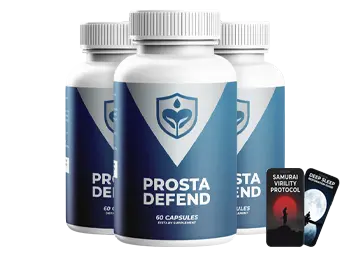
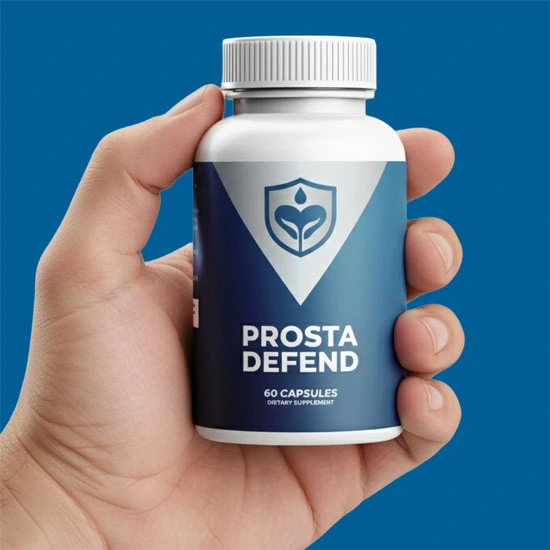
Herbal and Nutritional Supplements: A growing number of men turn to supplements containing natural extracts and nutrients known for their prostate-supportive properties. These often work by targeting the same pathways as some medications, such as inhibiting 5-alpha-reductase, reducing inflammation, or supporting bladder function. One such option is ProstaDefend, which we will explore further. You can learn more about how it works by visiting the ProstaDefend homepage.
ProstaDefend: A Natural Approach to Prostate Health
For those seeking a natural pathway to support prostate health and manage BPH symptoms, ProstaDefend offers a comprehensive blend of ingredients scientifically recognized for their benefits.
Saw Palmetto
A widely studied herb, Saw Palmetto is believed to help inhibit the 5-alpha-reductase enzyme, thereby reducing the conversion of testosterone to DHT. This can help prevent further prostate growth and alleviate urinary symptoms.
Beta-Sitosterol
A plant sterol found in many fruits, vegetables, and nuts, Beta-Sitosterol has been shown to significantly improve urinary flow and reduce residual urine volume in men with BPH. It's thought to work by reducing inflammation and supporting bladder emptying.
Pygeum Africanum
Derived from the bark of the African plum tree, Pygeum has anti-inflammatory properties and may help reduce the size of enlarged prostate cells. It's often used to improve nighttime urination and overall urinary comfort.
Zinc
This essential trace mineral is found in high concentrations in the prostate. Zinc deficiency has been linked to prostate enlargement. Supplementing with zinc can help maintain healthy prostate cell function and immune response.
Nettle Root
Often used in combination with Saw Palmetto, Nettle Root is believed to interfere with the binding of DHT to prostate cells and may also have anti-inflammatory effects, contributing to improved urinary flow.
Green Tea Extract
Rich in antioxidants, particularly EGCG (epigallocatechin gallate), green tea extract can help reduce oxidative stress and inflammation in the prostate, supporting cellular health and potentially slowing abnormal growth.
Take Control of Your Prostate Health with ProstaDefend
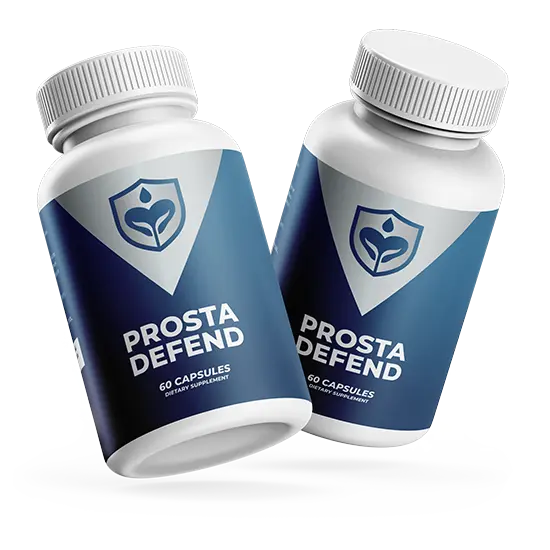
Don't let BPH symptoms dictate your life. ProstaDefend offers a powerful, all-natural solution designed to support a healthy prostate, optimize urinary flow, and promote overall well-being. Our expertly formulated blend targets the root causes of prostate issues, helping you regain comfort and confidence.
- ✓ Supports healthy prostate size and function
- ✓ Promotes strong, consistent urinary flow
- ✓ Reduces nighttime urination and urgency
- ✓ Formulated with clinically studied natural ingredients
- ✓ Made in the USA in a GMP-certified facility




Beyond Supplements: Holistic Prostate Care
While understanding hormonal influences and considering targeted supplements like ProstaDefend can be highly beneficial, a holistic approach to prostate health yields the best results. Integrating various strategies into your daily routine can significantly impact your well-being.
Regular Medical Check-ups: Don't underestimate the importance of routine visits to your doctor. Regular prostate screenings, especially after age 40 or 50 (depending on risk factors), are crucial for early detection of any issues, including BPH and prostate cancer. Early diagnosis often leads to more effective and less invasive treatment options.
Hydration: While it might seem counterintuitive for urinary symptoms, adequate hydration is essential. Drinking enough water throughout the day helps flush toxins from the urinary system and prevents the urine from becoming too concentrated, which can irritate the bladder. However, remember to limit fluid intake a few hours before bedtime to reduce nocturia.
Pelvic Floor Exercises: Strengthening the pelvic floor muscles (Kegel exercises) can improve bladder control and support urinary function. These exercises are not just for women; men can also benefit from them to help with urinary urgency and leakage associated with BPH.
Managing Other Health Conditions: Conditions like diabetes, heart disease, and high blood pressure can indirectly affect prostate health. Effectively managing these underlying health issues through diet, exercise, and medication can have a positive ripple effect on your prostate.
Mind-Body Connection: Stress, anxiety, and sleep deprivation can exacerbate urinary symptoms. Incorporating mindfulness practices, ensuring sufficient sleep, and engaging in hobbies you enjoy can improve your overall mental and physical health, positively influencing your prostate.
Education and Awareness: Being informed about your body and prostate health empowers you to make better decisions. Understanding the nuances of conditions like BPH, including how testosterone and DHT play a role, allows for proactive management. Continue to educate yourself, consult reliable sources, and discuss all your concerns and potential solutions with your healthcare provider. For insights into real-life experiences, you might want to read our ProstaDefend Before and After stories.
What Men Are Saying About ProstaDefend
"I was skeptical at first, but ProstaDefend has truly changed my nights. I used to wake up 3-4 times, now it's usually just once, sometimes not at all. My stream is stronger, and I feel like I'm finally emptying my bladder completely. It's a huge relief!"
"After years of struggling with urgency and a weak flow, my doctor suggested exploring natural options. ProstaDefend came highly recommended. Within a few weeks, I noticed a significant improvement. I feel more comfortable and confident throughout the day."
"The constant trips to the bathroom were making me miserable. I decided to try ProstaDefend, and I'm so glad I did. The ingredients list really impressed me, and the results speak for themselves. My quality of life has improved dramatically."
Frequently Asked Questions
Does high testosterone cause BPH?
+No, it's a common misconception. While testosterone is essential for prostate health, it's primarily its conversion to dihydrotestosterone (DHT) within the prostate that drives growth and contributes to BPH. Testosterone levels often decline with age, but DHT activity and prostate sensitivity to it can increase.
What is DHT, and how does it relate to prostate enlargement?
+Dihydrotestosterone (DHT) is a potent androgen derived from testosterone via the enzyme 5-alpha-reductase. It plays a crucial role in prostate development and growth. In older men, sustained DHT activity can lead to the excessive cellular proliferation characteristic of BPH, causing the prostate to enlarge.
Can lifestyle changes impact BPH risk?
+Absolutely. Maintaining a healthy weight, exercising regularly, eating a balanced diet rich in fruits and vegetables, limiting caffeine and alcohol, and managing stress can all contribute to better prostate health and potentially reduce BPH symptom severity.
Are natural supplements effective for BPH?
+Many natural ingredients, such as Saw Palmetto, Beta-Sitosterol, and Pygeum, have been studied for their potential to support prostate health and alleviate BPH symptoms by targeting factors like DHT conversion or inflammation. Supplements like ProstaDefend often combine these ingredients for comprehensive support, though results can vary.
When should I see a doctor for prostate concerns?
+You should consult a doctor if you experience persistent urinary symptoms like frequent urination, urgency, a weak stream, difficulty starting or stopping urination, or waking up multiple times at night to urinate. Early diagnosis and management are key for BPH and to rule out other conditions.
How does ProstaDefend work to support prostate health?
+ProstaDefend is formulated with a blend of natural ingredients known for their prostate-supportive properties. These ingredients work synergistically to help reduce inflammation, support healthy urinary flow, and potentially inhibit the conversion of testosterone to DHT, thereby addressing key factors contributing to BPH symptoms and prostate enlargement.
Related Articles