Is Your Weight Putting Your Prostate at Risk?
In an era where health concerns are increasingly linked to lifestyle, the connection between body weight and prostate health is gaining significant attention. Specifically, the rising rates of obesity worldwide are casting a long shadow over men's urological well-being, particularly concerning Benign Prostatic Hyperplasia (BPH).
For many men, BPH, or an enlarged prostate, becomes an unwelcome part of aging, bringing with it uncomfortable urinary symptoms that can severely impact quality of life. But what if there was a modifiable factor that could significantly influence its onset and progression? Emerging research strongly points to obesity as a major, yet often overlooked, contributor to prostate issues. Understanding this intricate relationship is the first step toward proactive health management.
Understanding Benign Prostatic Hyperplasia (BPH)
Before delving into the obesity connection, it's essential to grasp what BPH is and why it matters to millions of men worldwide.
Benign Prostatic Hyperplasia (BPH) is a non-cancerous enlargement of the prostate gland. Located just below the bladder and surrounding the urethra, the prostate gland plays a crucial role in the male reproductive system by producing seminal fluid. As men age, it's common for the prostate to grow, and for many, this growth can compress the urethra, leading to a range of uncomfortable and often disruptive urinary symptoms.
Common symptoms of BPH include frequent urination, especially at night (nocturia), a weak or interrupted urine stream, difficulty starting urination, dribbling at the end of urination, and the feeling of incomplete bladder emptying. While BPH is not prostate cancer and does not increase the risk of cancer, its symptoms can significantly diminish a man's quality of life, affecting sleep, social activities, and overall well-being. For some, the symptoms can become severe enough to require medical intervention, including medications or surgery. Addressing symptoms like nighttime urination is key to improving quality of life, and you can learn more about managing this specific issue by reading our article on ProstaDefend for Nocturia: Nighttime Urination Relief.
💡 Key Takeaway
BPH is a common, non-cancerous prostate enlargement affecting millions of aging men, leading to disruptive urinary symptoms. While not cancerous, it significantly impacts quality of life, making understanding its risk factors crucial.
The Obesity Epidemic and Its Silent Threat to the Prostate
The global rise in obesity isn't just a concern for heart health or diabetes; it's increasingly recognized as a significant risk factor for prostate enlargement.
Obesity, defined as having an excessively high amount of body fat, has reached epidemic proportions worldwide. This condition is associated with numerous health complications, and its impact on male urological health, particularly the prostate, is becoming increasingly clear. Studies have consistently demonstrated a strong correlation between higher body mass index (BMI) and an increased risk of developing BPH, as well as experiencing more severe BPH symptoms. This isn't just about carrying extra weight; it's about the complex biological changes that occur within an obese body that directly affect prostate cellular growth and function.
Men who are overweight or obese often face a higher likelihood of developing BPH at an earlier age and may experience a more rapid progression of symptoms. This heightened risk underscores the importance of weight management as a cornerstone of prostate health maintenance. Understanding the "how" behind this connection is vital for effective prevention and management strategies.
Mechanisms: How Excess Weight Harms the Prostate
The link between obesity and BPH is not coincidental; it's driven by several intricate physiological processes influenced by excess body fat.
The human body is a complex system, and excess adipose (fat) tissue is far from inert. It actively produces hormones and inflammatory compounds that can profoundly affect various organs, including the prostate. When a man carries significant extra weight, especially around the abdomen, it creates an environment ripe for prostate enlargement. Let's explore the primary mechanisms at play:
Hormonal Imbalance
One of the most significant ways obesity influences prostate health is through its impact on hormone levels. Adipose tissue contains an enzyme called aromatase, which is responsible for converting androgens (male hormones like testosterone) into estrogens (female hormones). In obese men, the increased amount of fat tissue leads to higher aromatase activity, resulting in:
- Increased Estrogen Levels: Higher estrogen levels can stimulate the growth of prostate cells. While testosterone is often implicated in prostate growth, estrogens are also powerful drivers of prostate cell proliferation, especially in the context of BPH.
- Decreased Free Testosterone: As more testosterone is converted to estrogen, the levels of bioavailable or "free" testosterone decrease. While total testosterone might remain stable, the ratio of estrogen to free testosterone shifts, favoring prostate growth.
This hormonal shift creates an environment within the prostate that encourages hyperplasia, leading to enlargement.
Chronic Inflammation
Obesity is a state of chronic, low-grade inflammation. Adipose tissue, particularly visceral fat (fat around organs), secretes numerous pro-inflammatory cytokines, such as TNF-alpha, IL-6, and CRP. These inflammatory mediators circulate throughout the body, including the prostate gland. Persistent inflammation within the prostate can:
- Promote Cell Proliferation: Chronic inflammation can stimulate the growth of prostate cells and inhibit programmed cell death (apoptosis), leading to an accumulation of cells and an enlarged gland.
- Contribute to Scarring and Fibrosis: Long-term inflammation can also lead to the formation of scar tissue and fibrosis within the prostate, further contributing to its stiffness and enlargement, and potentially exacerbating urinary symptoms.
This inflammatory cascade is a key driver in the progression of BPH in obese individuals.
Insulin Resistance and Metabolic Syndrome
Obesity is a primary risk factor for insulin resistance, a condition where the body's cells don't respond effectively to insulin. To compensate, the pancreas produces more insulin, leading to elevated insulin levels (hyperinsulinemia) in the blood. High insulin levels are known to be a growth factor for various tissues, including the prostate. They can:
- Directly Stimulate Prostate Cell Growth: Insulin, similar to insulin-like growth factor-1 (IGF-1), can bind to receptors on prostate cells and promote their proliferation.
- Contribute to Metabolic Syndrome: Insulin resistance is a central component of metabolic syndrome, a cluster of conditions including high blood pressure, high blood sugar, excess body fat around the waist, and abnormal cholesterol levels. Men with metabolic syndrome have a significantly higher risk of developing BPH and experiencing more severe symptoms.
Oxidative Stress
Obesity is also associated with increased oxidative stress, an imbalance between the production of free radicals and the body's ability to counteract their harmful effects. Free radicals can damage cells and DNA, contributing to chronic inflammation and cellular dysfunction. In the prostate, this oxidative damage can:
- Accelerate Prostate Cell Damage: Increased oxidative stress can harm prostate cells, potentially leading to abnormal growth patterns and contributing to BPH progression.
- Exacerbate Inflammation: Oxidative stress and inflammation often go hand-in-hand, creating a vicious cycle that further damages prostate tissue.
These interconnected mechanisms highlight why managing weight is not just about aesthetics but is a critical component of maintaining long-term prostate health.
💡 Key Takeaway
Obesity fuels BPH through hormonal imbalances (more estrogen, less free testosterone), chronic inflammation, insulin resistance, and oxidative stress. These factors collectively stimulate prostate cell growth and contribute to its enlargement.
The Vicious Cycle: How BPH and Obesity Intersect
The relationship between obesity and BPH can often become a self-perpetuating cycle, where each condition exacerbates the other.
Reduced Physical Activity
BPH symptoms like urinary urgency, frequency, and leakage can make physical activity challenging and embarrassing. Men might avoid exercise due to fear of accidents or discomfort, which then contributes to weight gain or makes weight loss harder, further perpetuating obesity and its negative effects on the prostate.
Sleep Disruption (Nocturia)
Frequent nighttime urination (nocturia) is a hallmark symptom of BPH. This disrupts sleep patterns, leading to fatigue, increased stress, and hormonal imbalances that can make weight management more difficult. Poor sleep itself is linked to increased appetite and cravings for unhealthy foods, creating a feedback loop.
Psychological Impact
Living with BPH symptoms and the challenges of obesity can take a toll on mental health. Stress, anxiety, and depression can lead to unhealthy coping mechanisms, including emotional eating, which further complicates weight management and overall health.
Progression of Comorbidities
Both obesity and BPH are often accompanied by other health conditions like diabetes, cardiovascular disease, and metabolic syndrome. These comorbidities can interact, making treatment more complex and potentially accelerating the progression of prostate enlargement and overall health decline.
Actionable Steps: Reclaiming Prostate Health Through Weight Management
The good news is that the connection between weight and prostate health means you have significant control. Adopting a proactive approach to weight management can be one of the most powerful steps you take for your prostate.
Embrace a Prostate-Friendly Diet
Focus on a diet rich in fruits, vegetables, whole grains, and lean proteins, similar to the Mediterranean diet. These foods are packed with antioxidants, fiber, and essential nutrients that combat inflammation and support hormonal balance. Limit processed foods, sugary drinks, excessive red meat, and unhealthy fats, which can contribute to weight gain and inflammation.
Prioritize Regular Physical Activity
Engage in at least 150 minutes of moderate-intensity aerobic exercise or 75 minutes of vigorous-intensity exercise per week, combined with strength training twice a week. Exercise helps burn calories, build muscle, improve insulin sensitivity, and reduce inflammation, all of which are crucial for both weight management and prostate health.
Manage Stress Effectively
Chronic stress can lead to hormonal imbalances and increased inflammation, impacting both weight and prostate health. Incorporate stress-reduction techniques into your daily routine, such as meditation, deep breathing exercises, yoga, spending time in nature, or engaging in hobbies you enjoy.
Ensure Adequate and Quality Sleep
Aim for 7-9 hours of quality sleep per night. Poor sleep can disrupt hormones that regulate appetite and metabolism, making weight loss challenging. Addressing BPH-related nocturia can significantly improve sleep quality, which in turn supports overall health and weight management efforts.
Stay Hydrated and Limit Caffeine/Alcohol
Drinking plenty of water is essential for overall health and can help with satiety. However, excessive caffeine and alcohol can irritate the bladder and exacerbate BPH symptoms. Moderating their intake can improve urinary comfort and support your prostate.
Consider Targeted Nutritional Support
While lifestyle changes are paramount, certain natural ingredients have been studied for their potential to support prostate health. These can complement a healthy diet and exercise regimen. Ingredients like Saw Palmetto, Beta-Sitosterol, and Pygeum Africanum are often found in prostate health supplements.
The Role of Targeted Nutritional Support: ProstaDefend
While lifestyle modifications are the bedrock of prostate health, integrating targeted nutritional support can offer additional benefits, especially when dealing with the challenges of BPH and its connection to weight.
Natural supplements designed for prostate health often contain a blend of ingredients known for their anti-inflammatory, hormone-balancing, and prostate-supportive properties. These ingredients work synergistically to help maintain prostate size, improve urinary flow, and alleviate discomfort. It's crucial to view such supplements not as a replacement for a healthy lifestyle, but as a complementary tool in your overall prostate wellness strategy.
For example, ingredients like Beta-Sitosterol, a plant sterol, have been extensively researched for their ability to improve urinary flow and reduce residual urine volume in men with BPH. You can dive deeper into its benefits by reading our detailed Beta-Sitosterol Prostate Review. Similarly, Pygeum Africanum bark extract is another well-regarded ingredient, known for its anti-inflammatory effects and ability to improve various BPH symptoms. Our article on Pygeum Africanum Benefits for Prostate Health provides more insights.
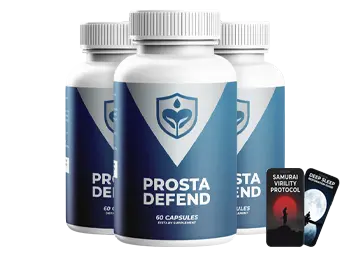
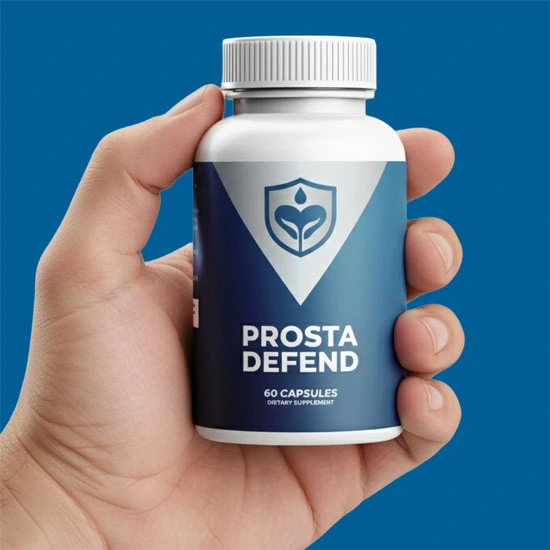
ProstaDefend is formulated with a potent blend of such natural ingredients, specifically chosen for their scientifically-backed roles in supporting prostate health. It aims to address the various facets of BPH, from promoting healthy prostate size to enhancing urinary function, working in harmony with your body's natural processes.
Key Natural Ingredients for Prostate Support
ProstaDefend harnesses the power of nature to support prostate health. Here are some of the key ingredients and their roles:
Saw Palmetto Extract
Role: Widely recognized for its ability to support urinary function and help maintain healthy prostate size by influencing hormone pathways.
Beta-Sitosterol
Role: A plant sterol that helps reduce urinary symptoms associated with BPH, improving flow and reducing the feeling of incomplete emptying.
Pygeum Africanum Bark
Role: Known for its anti-inflammatory properties, it helps reduce prostate swelling and improve urinary symptoms like frequency and nocturia.
Zinc
Role: An essential mineral highly concentrated in the prostate, crucial for immune function and maintaining normal prostate cell growth.
Vitamin D3
Role: Supports immune health and plays a role in cellular regulation, with research linking optimal levels to reduced BPH risk.
Green Tea Extract
Role: Rich in antioxidants (EGCG), it helps combat oxidative stress and inflammation, supporting overall prostate cellular health.
Take Control of Your Prostate Health Today
Don't let BPH symptoms dictate your life. ProstaDefend offers a natural, comprehensive solution to support your prostate health, especially when combined with a commitment to a healthy lifestyle and weight management.
- ✓ Formulated with 100% natural, scientifically-backed ingredients
- ✓ Supports healthy prostate size and cellular function
- ✓ Helps improve urinary flow and reduce nighttime urination
- ✓ Boosts overall vitality and comfort
- ✓ Made in an FDA-registered, GMP-certified facility in the USA



What Our Customers Are Saying
"I was skeptical at first, but ProstaDefend truly made a difference. My nighttime trips to the bathroom have reduced significantly, and I feel like I'm finally getting a full night's sleep. Paired with my efforts to eat healthier, I feel much better overall."
"For years, my enlarged prostate made life difficult. My doctor suggested focusing on my weight, and I added ProstaDefend to my routine. The combination has been fantastic. My stream is stronger, and the constant urgency has lessened. Highly recommend!"
"I've been using ProstaDefend for three months now, and the improvement in my urinary comfort is remarkable. It's not a magic pill, but combined with my new walking routine and healthier diet, I feel more in control of my prostate health than ever before."
Frequently Asked Questions
How does obesity specifically affect prostate health?
+Obesity significantly impacts prostate health through several mechanisms, including hormonal imbalances (increased estrogen, decreased free testosterone), chronic inflammation, and insulin resistance. These factors contribute to the enlargement of the prostate, known as Benign Prostatic Hyperplasia (BPH).
Can losing weight reduce my risk of BPH or improve symptoms?
+Yes, research strongly suggests that maintaining a healthy weight or losing excess weight can significantly reduce the risk of developing BPH and may help alleviate existing symptoms. Weight loss can improve hormonal balance, reduce inflammation, and enhance insulin sensitivity, all of which are beneficial for prostate health.
What lifestyle changes are most effective for supporting prostate health when managing weight?
+Effective lifestyle changes include adopting a balanced diet rich in fruits, vegetables, and whole grains, engaging in regular physical activity, managing stress, and ensuring adequate sleep. Limiting processed foods, sugary drinks, and excessive red meat intake is also crucial.
Are there specific foods or nutrients that can help with prostate health and weight management?
+Foods rich in antioxidants (berries, leafy greens), omega-3 fatty acids (fatty fish), and lycopene (tomatoes) are beneficial. Nutrients like zinc, selenium, and Vitamin D also play roles in prostate health. For weight management, focus on high-fiber foods and lean proteins to promote satiety.
When should I consider a natural supplement like ProstaDefend for prostate support?
+Natural supplements like ProstaDefend can be considered as part of a comprehensive approach to prostate health, especially when combined with a healthy lifestyle. They contain ingredients like Saw Palmetto, Beta-Sitosterol, and Pygeum Africanum, which are traditionally used to support prostate size and urinary function. Always consult your doctor before starting any new supplement.
Is BPH reversible with weight loss?
+While BPH itself may not be fully reversible, weight loss can significantly slow its progression and alleviate many uncomfortable symptoms. By addressing the underlying factors like inflammation and hormonal imbalance, weight management offers a powerful way to improve overall prostate health and reduce the severity of BPH symptoms.
Related Articles