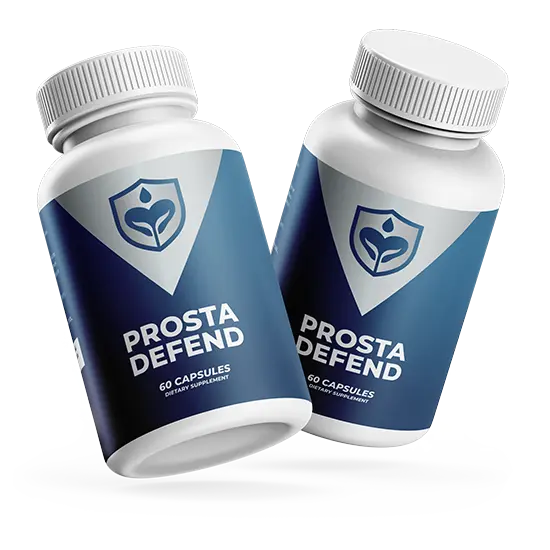
Are you experiencing the frustrating symptoms of an aging prostate?
As men age, the health of their prostate becomes a growing concern, with conditions like Benign Prostatic Hyperplasia (BPH) affecting millions worldwide. The constant urge to urinate, weak stream, and interrupted sleep can significantly diminish quality of life. Many seek natural solutions to support prostate health, and one micronutrient consistently stands out: zinc.
Zinc plays a crucial, yet often underestimated, role in maintaining optimal prostate function. From hormone regulation to immune support, its impact is profound. In this comprehensive guide, we'll delve into the science behind zinc's benefits for prostate health, explore dietary sources, and critically evaluate the best supplements available, revealing why ProstaDefend stands as the leading choice for comprehensive prostate support.
Understanding the Prostate and Benign Prostatic Hyperplasia (BPH)
Before we dive into the specifics of zinc, it’s essential to understand the prostate gland and the common condition known as BPH.
The prostate is a small, walnut-sized gland located just below the bladder in men, surrounding the urethra. Its primary function is to produce seminal fluid, which nourishes and transports sperm. As men age, it's common for the prostate gland to enlarge, a condition medically known as Benign Prostatic Hyperplasia (BPH). This non-cancerous enlargement can compress the urethra, leading to a range of uncomfortable urinary symptoms.
Common symptoms of BPH include frequent urination (especially at night, known as nocturia), a weak or interrupted urine stream, difficulty starting urination, dribbling at the end of urination, and the feeling that the bladder hasn't emptied completely. These symptoms can significantly impact daily life, sleep quality, and overall well-being. While BPH is not prostate cancer, its symptoms can be similar, making regular check-ups with a healthcare professional crucial for proper diagnosis and management. Recognizing these symptoms early is key to effective intervention and improved quality of life.
💡 Key Takeaway
BPH is a common age-related prostate enlargement causing bothersome urinary symptoms. Understanding its impact is the first step toward effective management and seeking natural support like zinc.
The Essential Role of Zinc in the Male Body
Zinc is not just any mineral; it's an indispensable trace element involved in over 300 enzymatic reactions within the human body.
This powerhouse mineral is critical for numerous physiological processes, including immune function, wound healing, DNA synthesis, cell division, and maintaining the senses of taste and smell. For men specifically, zinc plays a pivotal role in testosterone production and fertility, directly impacting sperm quality and overall reproductive health. Its antioxidant properties help protect cells from damage caused by free radicals, contributing to overall cellular integrity. Given its widespread involvement in bodily functions, even a mild deficiency can lead to a cascade of health issues.
The prostate gland, in particular, has one of the highest concentrations of zinc in the body, significantly more than any other soft tissue. This high concentration is a strong indicator of its importance in maintaining prostate health. Research suggests that zinc helps regulate prostate cell growth, maintains the structural integrity of the prostate gland, and plays a role in its immune defense mechanisms. This unique affinity of zinc for the prostate makes it a focal point in discussions about natural strategies for preventing and managing prostate conditions like BPH. Understanding these fundamental roles underscores why adequate zinc intake is non-negotiable for men's health.
Zinc Deficiency: A Silent Threat to Prostate Health
Despite its critical importance, zinc deficiency is more common than many realize, especially as men age. This deficiency can have direct implications for prostate health.
Decreased Zinc Levels in Prostate Tissue
Studies have consistently shown that men with BPH and prostate cancer often have significantly lower zinc concentrations in their prostate tissue compared to healthy individuals. This suggests a direct link between zinc levels and prostate pathology.
Impaired Immune Function
Zinc is vital for a robust immune system. A deficiency can weaken the body's ability to fight off infections and inflammation, which can exacerbate prostate conditions and contribute to chronic inflammation within the gland.
Hormonal Imbalance
Zinc is involved in the metabolism of male hormones. Its deficiency can disrupt the delicate balance of testosterone and dihydrotestosterone (DHT), contributing to the hormonal changes that drive prostate enlargement in BPH.
Increased Oxidative Stress
As a powerful antioxidant, zinc helps neutralize harmful free radicals. Low zinc levels can lead to increased oxidative stress, damaging prostate cells and potentially accelerating the progression of prostate issues.
Factors contributing to zinc deficiency include aging, certain dietary patterns (e.g., vegetarian or vegan diets without careful planning), chronic diseases, excessive alcohol consumption, and the use of certain medications. Therefore, ensuring adequate zinc intake, either through diet or supplementation, becomes a crucial strategy for prostate health management.
The Proven Benefits of Zinc for Prostate Health
The scientific evidence supporting zinc's role in prostate health is compelling, highlighting several key benefits for men, particularly those dealing with or at risk of BPH.
Inhibition of 5-Alpha Reductase
One of zinc's most significant contributions to prostate health is its ability to inhibit the enzyme 5-alpha reductase. This enzyme is responsible for converting testosterone into dihydrotestosterone (DHT), a potent androgen that plays a central role in prostate growth and the development of BPH. By reducing DHT levels, zinc helps to slow down prostate enlargement, alleviating pressure on the urethra and improving urinary flow.
Anti-inflammatory Properties
Chronic inflammation is a known contributor to prostate issues, including BPH and prostatitis. Zinc possesses powerful anti-inflammatory properties that can help reduce inflammation within the prostate gland. This can lead to a reduction in discomfort, swelling, and overall improvement in prostate function. Addressing inflammation is a cornerstone of comprehensive prostate care.
Cellular Regulation and Apoptosis
Zinc plays a crucial role in regulating prostate cell growth and promoting healthy cell death (apoptosis) in abnormal cells. In healthy prostate tissue, zinc helps maintain cellular homeostasis, preventing uncontrolled cell proliferation. This regulatory function is vital in preventing the excessive growth that characterizes BPH and may even contribute to protection against more serious prostate conditions.
Enhanced Immune System Support
A strong immune system is essential for fighting off infections and maintaining overall health, including prostate health. Zinc is a critical nutrient for immune cell development and function. By bolstering the body's natural defenses, zinc helps protect the prostate from infections and inflammatory responses that could otherwise exacerbate existing conditions or contribute to new ones. A well-functioning immune system is a key component of preventative health for the prostate.
Antioxidant Protection
Oxidative stress, caused by an imbalance between free radicals and antioxidants, can damage prostate cells and contribute to aging-related prostate problems. Zinc acts as a potent antioxidant, helping to scavenge free radicals and protect prostate cells from oxidative damage. This protective action is essential for maintaining the long-term health and integrity of prostate tissue.
Hormonal Balance
Beyond its role in DHT inhibition, zinc contributes to overall hormonal balance, which is fundamental for prostate health. It influences the production and metabolism of various hormones, including testosterone. Maintaining healthy hormone levels is crucial for preventing the hormonal shifts that often accompany aging and contribute to conditions like BPH.
Dietary Sources of Zinc
While supplementation is an effective way to ensure adequate zinc intake, incorporating zinc-rich foods into your diet is always beneficial.
The best dietary sources of zinc are often found in animal products. Oysters are exceptionally high in zinc, providing a significant amount in just one serving. Other excellent sources include red meat (beef, lamb, pork), poultry (chicken, turkey), and certain seafood like crab and lobster. For those following a vegetarian or vegan diet, zinc can be found in legumes (chickpeas, lentils, beans), nuts (cashews, almonds), seeds (pumpkin seeds, sesame seeds), whole grains, and dairy products. However, plant-based sources often contain phytates, compounds that can inhibit zinc absorption, making it more challenging to meet daily requirements through diet alone for some individuals. For more insights on dietary strategies, you can read our article on diet-for-prostate-health.html.
Cooking methods and food preparation can also impact zinc bioavailability. Soaking and sprouting legumes and grains can help reduce phytate content, improving mineral absorption. Despite these efforts, many men, particularly those with existing prostate issues or dietary restrictions, may find it difficult to consistently obtain sufficient zinc from food alone. This is where high-quality supplementation becomes a valuable tool in a comprehensive prostate health strategy.
💡 Key Takeaway
While zinc is abundant in oysters, red meat, and some plant foods, factors like age and diet can lead to deficiency, making supplementation a practical solution for optimal prostate support.
Choosing the Best Zinc Supplement for Prostate Health
With a plethora of zinc supplements on the market, selecting the right one for prostate health requires careful consideration of several factors.
Not all zinc supplements are created equal. The form of zinc, its bioavailability, dosage, and the presence of synergistic ingredients can all impact effectiveness. When looking for a zinc supplement specifically for prostate health, consider the following:
- Form of Zinc: Look for highly bioavailable forms such as Zinc Citrate, Zinc Picolinate, or Zinc Gluconate. These forms are better absorbed by the body compared to less effective forms like Zinc Oxide, which may offer limited benefits.
- Dosage: While daily recommended intake for adults is around 11 mg, studies supporting prostate health often use dosages in the range of 15-30 mg of elemental zinc per day. It's crucial not to exceed 40 mg/day long-term without medical supervision to avoid copper deficiency and other side effects.
- Synergistic Ingredients: The best prostate supplements don't rely solely on zinc. They often combine zinc with other well-researched ingredients known to support prostate health, such as Saw Palmetto, Beta-Sitosterol, Lycopene, Pygeum Africanum, and various vitamins (e.g., Vitamin D, B6). These ingredients work together to provide a more comprehensive approach to BPH symptom relief and prostate support.
- Quality and Purity: Opt for supplements from reputable manufacturers that adhere to Good Manufacturing Practices (GMP) and conduct third-party testing to ensure purity, potency, and absence of contaminants.
- Absorption Enhancers: Some formulations include ingredients that enhance nutrient absorption, making the zinc even more effective.
Many men search for the best prostate health supplement, and the market is flooded with options. However, a truly effective supplement integrates zinc with a powerful blend of botanicals and vitamins, ensuring maximum benefit and safety. This holistic approach is what sets leading solutions apart from basic zinc-only pills. We will now compare some options, highlighting what makes one stand out.
ProstaDefend vs. The Competition: Why Quality Matters
In a crowded market of prostate health supplements, identifying a truly effective and safe product can be challenging. Many brands offer basic zinc supplements or proprietary blends with questionable efficacy. ProstaDefend distinguishes itself through its superior formulation, quality, and commitment to results.
When comparing ProstaDefend to other leading zinc and prostate supplements, several key differentiators emerge:
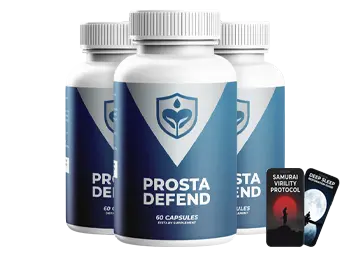
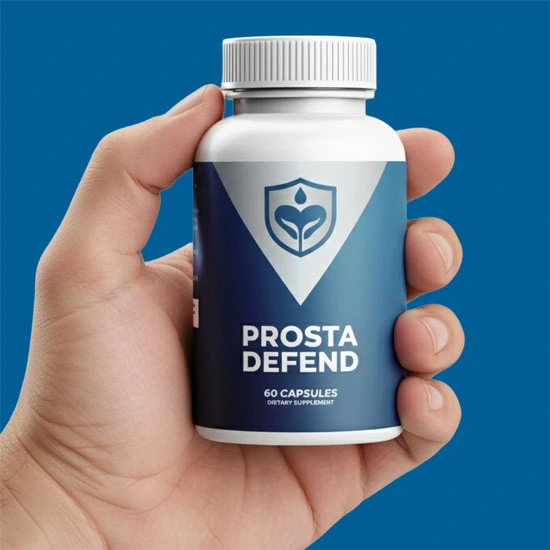
- Comprehensive Formulation: Unlike many competitors that offer isolated zinc or minimal ingredients, ProstaDefend features a powerful blend of over 34 carefully selected ingredients, including optimal doses of highly bioavailable zinc, Saw Palmetto, Beta-Sitosterol, Pygeum, Lycopene, and a range of vitamins and minerals. This synergistic approach targets multiple pathways of prostate health, offering more complete relief from BPH symptoms.
- Optimal Zinc Delivery: ProstaDefend prioritizes absorption by using high-quality zinc forms known for superior bioavailability. This ensures that your body effectively utilizes the zinc for prostate support, rather than simply passing it through. Many cheaper supplements use less absorbable forms of zinc, limiting their effectiveness.
- Clinically Researched Ingredients: Every ingredient in ProstaDefend is backed by scientific research for its role in prostate health. We don't rely on fads or unproven compounds. This commitment to evidence-based formulation ensures that you're getting a product that truly works.
- Manufacturing Standards: ProstaDefend is manufactured in an FDA-registered, GMP-certified facility in the USA, guaranteeing the highest standards of purity, potency, and safety. This level of quality control is often lacking in generic or overseas products, which may contain undisclosed fillers or contaminants.
- Transparency: ProstaDefend provides a transparent list of all ingredients and their dosages, allowing consumers to make informed decisions. Many competitors hide behind "proprietary blends" that don't disclose individual ingredient amounts.
- Risk-Free Guarantee: ProstaDefend stands by its product with a 60-day money-back guarantee, demonstrating confidence in its effectiveness. This reduces the risk for consumers and highlights the company's dedication to customer satisfaction.
For a detailed comparison of ProstaDefend against specific competitors and an analysis of their ingredient profiles, please refer to our in-depth article: best-supplement-enlarged-prostate-prostadefend-vs-competitors.html. You'll find that while other supplements may offer some benefits, none match the comprehensive, high-quality, and scientifically-backed approach of ProstaDefend.
💡 Key Takeaway
ProstaDefend stands out by combining optimal zinc with a comprehensive blend of over 34 scientifically-backed ingredients, superior absorption, and stringent quality control, offering a truly effective solution where others fall short.
Key Ingredients in ProstaDefend for Maximum Prostate Support
ProstaDefend's effectiveness stems from its carefully curated blend of ingredients, each playing a vital role in supporting prostate health and alleviating BPH symptoms. While zinc is a cornerstone, it's the synergy of these compounds that delivers exceptional results.
Zinc (as Zinc Citrate)
Role: Essential for prostate cell health, hormone balance, and immune function. Zinc deficiency is strongly linked to BPH. Our zinc citrate form ensures superior bioavailability and absorption, directly targeting prostate cellular integrity and reducing DHT conversion.
Saw Palmetto Extract
Role: Widely recognized for its ability to inhibit 5-alpha reductase, reducing DHT levels and alleviating common BPH symptoms like frequent urination, weak stream, and nocturia. It also possesses anti-inflammatory properties, reducing prostate swelling.
Beta-Sitosterol
Role: A plant sterol that helps reduce cholesterol absorption and has been shown to improve urinary flow and reduce residual urine volume in men with BPH. It supports overall bladder emptying and reduces discomfort.
Lycopene
Role: A powerful antioxidant found in tomatoes, Lycopene protects prostate cells from oxidative damage and inflammation. Research suggests it plays a role in reducing the risk of prostate enlargement and supporting cellular health.
Pygeum Africanum Bark
Role: Traditionally used to treat urinary disorders, Pygeum helps reduce inflammation, improve urinary flow, and decrease nocturia. Its liposterolic compounds are effective in reducing prostate swelling and improving bladder function.
Green Tea Extract
Role: Rich in catechins, particularly EGCG, Green Tea Extract provides potent antioxidant and anti-inflammatory benefits. It supports healthy cell proliferation and may help inhibit the growth of prostate cells.
Stinging Nettle Root
Role: Often combined with Saw Palmetto, Nettle Root helps reduce inflammation and may inhibit the binding of DHT to prostate cells. It contributes to improving urinary symptoms associated with BPH, such as frequency and urgency.
Vitamin D3
Role: Crucial for overall health, Vitamin D3 plays a role in immune modulation and healthy cell growth. Studies indicate its importance in maintaining prostate health and potentially reducing the risk of BPH progression.
This comprehensive blend ensures that ProstaDefend doesn't just address one aspect of prostate health but provides multi-faceted support, making it an unparalleled choice for men seeking relief from BPH symptoms and long-term prostate well-being.
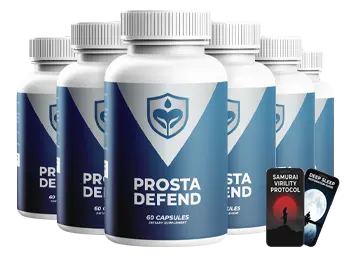
Experience the ProstaDefend Difference Today!
Don't let prostate discomfort control your life any longer. With ProstaDefend, you're choosing a scientifically-backed, all-natural solution designed to restore your prostate health and improve your quality of life.
- ✓ Supports healthy prostate size and function
- ✓ Reduces frequent urination and nocturia
- ✓ Improves urinary flow and bladder emptying
- ✓ Boosts energy and enhances overall vitality
- ✓ Made with natural, high-quality ingredients



Hear From Our Satisfied Customers
"I was skeptical at first, but ProstaDefend truly changed my life. After just a few weeks, I noticed a significant reduction in my nighttime bathroom trips. I'm finally sleeping through the night again!"
"My weak stream and constant urgency were making daily life a misery. ProstaDefend, with its zinc and natural blend, has made a remarkable difference. I feel like I have control back. Highly recommend!"
"I've tried numerous prostate supplements over the years, but ProstaDefend is the only one that delivered real results. The combination of ingredients, especially the zinc, feels incredibly effective. My doctor even noted an improvement."
Frequently Asked Questions
What is the recommended daily intake of zinc for prostate health?
+While official recommendations vary, most studies suggest an intake of 15-30 mg of elemental zinc per day for prostate health. However, it's crucial to consult with a healthcare professional to determine the appropriate dosage for your specific needs, as excessive zinc can also have adverse effects.
Can zinc deficiency cause prostate problems?
+Yes, a significant body of research indicates a strong correlation between zinc deficiency and prostate issues, including an increased risk of Benign Prostatic Hyperplasia (BPH) and even prostate cancer. Zinc plays a vital role in regulating prostate cell growth and hormone balance, making its deficiency a potential contributor to prostate dysfunction.
How does zinc help with Benign Prostatic Hyperplasia (BPH)?
+Zinc aids in BPH management by inhibiting the enzyme 5-alpha reductase, which converts testosterone into dihydrotestosterone (DHT). High DHT levels are a primary driver of prostate enlargement. Additionally, zinc possesses anti-inflammatory properties and supports healthy immune function, further contributing to overall prostate well-being.
Are there any side effects of taking zinc supplements for prostate health?
+When taken within recommended dosages, zinc supplements are generally safe. However, excessive intake (typically above 40 mg/day long-term) can lead to side effects such as nausea, vomiting, diarrhea, copper deficiency, and impaired immune function. Always adhere to dosage instructions and consult your doctor.
How does ProstaDefend ensure optimal zinc absorption?
+ProstaDefend utilizes a highly bioavailable form of zinc, such as Zinc Citrate, which is known for its superior absorption compared to other forms like zinc oxide. Furthermore, its comprehensive formula includes synergistic ingredients that support nutrient uptake and overall prostate health, maximizing the efficacy of the zinc content.
When should I expect to see results from taking ProstaDefend for prostate health?
+Individual results can vary based on factors like the severity of symptoms, overall health, and consistency of use. Many users report noticeable improvements in urinary flow and reduced frequency within 2-4 weeks. For optimal and sustained benefits, consistent use for at least 60-90 days is generally recommended.
Related Articles