Are your restless nights secretly worsening your prostate problems?
For millions of men, the golden years often bring challenges like an enlarged prostate, medically known as Benign Prostatic Hyperplasia (BPH). While symptoms such as frequent urination, weak stream, and the constant urge to go are well-documented, one crucial factor often overlooked in managing BPH is the quality of sleep. The relationship between sleep and prostate health is far more intricate than many realize, creating a complex cycle where one can severely impact the other.
Imagine waking up multiple times a night, not just to urinate, but with a lingering sense of fatigue that carries into the next day, exacerbating your BPH symptoms. This isn't just an inconvenience; it's a significant health concern. Understanding this connection is the first step towards breaking the cycle and regaining control over your health. We'll explore how poor sleep quality can directly worsen BPH symptoms and what you can do to find relief and restore restful nights.

The Vicious Cycle: BPH and Sleep Deprivation
Benign Prostatic Hyperplasia (BPH) is a common condition where the prostate gland enlarges, leading to bothersome urinary symptoms. One of the most disruptive symptoms is nocturia, the need to wake up multiple times during the night to urinate. This symptom alone is a direct assault on sleep quality, but the impact doesn't stop there.
The relationship between BPH and sleep is a two-way street. On one hand, the frequent urge to urinate at night (nocturia) directly interrupts sleep, leading to sleep deprivation. On the other hand, chronic poor sleep can exacerbate BPH symptoms through various physiological mechanisms, creating a vicious cycle that significantly diminishes a man's quality of life. Many men find themselves trapped in this cycle, constantly fatigued and struggling with worsening urinary issues.
Understanding this intricate connection is crucial for effective management. It's not enough to just treat the prostate symptoms; addressing sleep quality is equally vital. When sleep is consistently poor, the body's ability to heal and regulate itself is compromised, which can, in turn, make BPH symptoms harder to control. This article will delve into the scientific reasons behind this connection and offer practical strategies to break free from this debilitating cycle.
Let's explore the underlying mechanisms that link inadequate sleep to the worsening of BPH symptoms, highlighting why a holistic approach to prostate health must include prioritizing restful sleep.
💡 Key Takeaway
Poor sleep and Benign Prostatic Hyperplasia (BPH) are locked in a vicious cycle: BPH symptoms like nocturia disrupt sleep, while chronic sleep deprivation can worsen prostate inflammation, hormonal imbalances, and overall urinary function, intensifying BPH. Addressing both aspects is crucial for improving men's health.
How Poor Sleep Exacerbates BPH Symptoms
The impact of insufficient or fragmented sleep goes far beyond just feeling tired. It triggers a cascade of physiological responses that can directly contribute to the progression and severity of BPH.
Exacerbated Nocturia
Poor sleep can directly worsen nocturia, the primary nocturnal symptom of BPH. When sleep is fragmented or insufficient, the body's natural circadian rhythm, which regulates fluid balance and urine production, can be disrupted. This disruption can lead to increased urine output at night, making nighttime urination more frequent and urgent. Additionally, poor sleep can heighten bladder sensitivity, causing men to perceive a need to urinate even with smaller volumes of urine, further increasing awakenings.
Increased Systemic Inflammation
Chronic sleep deprivation is a well-known precursor to systemic inflammation. When the body doesn't get adequate rest, it releases pro-inflammatory cytokines, which are signaling molecules that promote inflammation throughout the body. In the context of BPH, this heightened inflammation can directly contribute to the enlargement and irritation of the prostate gland. An inflamed prostate is more likely to cause urinary obstruction and discomfort, intensifying symptoms like frequent urination, urgency, and a weak stream.
Hormonal Imbalance
Sleep plays a critical role in regulating hormone production, including testosterone and melatonin, both of which are crucial for prostate health. Poor sleep can lead to a decrease in testosterone levels, which, while complex, can influence prostate growth. More directly, sleep deprivation disrupts melatonin production. Melatonin is not just a sleep hormone; it also possesses antioxidant and anti-inflammatory properties that can protect the prostate. A reduction in melatonin can remove a protective factor against BPH progression and worsen symptoms.
Heightened Stress & Anxiety
Inadequate sleep significantly elevates stress hormones like cortisol. Chronic stress and anxiety can have a profound impact on the urinary system. Increased stress can lead to involuntary contractions of the bladder muscles and pelvic floor, resulting in a stronger and more frequent urge to urinate. This creates a feedback loop: BPH symptoms cause stress, stress worsens BPH symptoms, and poor sleep perpetuates both, trapping individuals in a cycle of discomfort and mental distress. Managing stress is therefore an important component of overall prostate health.
Weakened Immune Response
The immune system relies heavily on quality sleep to function optimally. Chronic sleep deprivation can suppress immune function, making the body more vulnerable to infections and chronic inflammatory conditions. A weakened immune response means the body is less equipped to combat potential infections or manage inflammation within the prostate gland. This can lead to persistent or recurring prostate issues, further aggravating BPH symptoms and delaying recovery.
Reduced Quality of Life
The cumulative effect of poor sleep and exacerbated BPH symptoms is a significant reduction in overall quality of life. Men experiencing this dual burden often report chronic fatigue, irritability, difficulty concentrating, and impaired daily functioning. This can impact work performance, social interactions, and mental well-being, leading to feelings of frustration and helplessness. Addressing the sleep-BPH connection is paramount for restoring vitality and improving daily living.
Beyond Nocturia: The Broader Health Implications of Poor Sleep
While nocturia is the most direct link between BPH and sleep, the ramifications of chronic sleep deprivation extend far beyond prostate health, affecting nearly every system in the body.
When you consistently miss out on adequate, restorative sleep, your body and mind pay a heavy price. The consequences can range from subtle daily annoyances to serious long-term health risks. For men already dealing with BPH, these additional health burdens can make managing their condition even more challenging.
One of the most immediate effects is a **decline in cognitive function**. Sleep deprivation impairs attention, concentration, memory, and decision-making abilities. This can affect work performance, daily tasks, and even increase the risk of accidents. You might find yourself feeling foggy, forgetful, or simply unable to focus, which can be frustrating when trying to navigate daily life while also managing BPH symptoms.
Furthermore, chronic poor sleep is strongly linked to **mood disturbances**, including increased irritability, anxiety, and a higher risk of depression. The emotional toll of constantly interrupted sleep, coupled with the discomfort of BPH, can be substantial, creating a negative feedback loop that is difficult to break. Men might withdraw from social activities or lose interest in hobbies they once enjoyed.
From a metabolic perspective, insufficient sleep can disrupt **glucose metabolism and insulin sensitivity**, increasing the risk of developing type 2 diabetes. It also affects appetite-regulating hormones, leading to increased hunger and cravings, which can contribute to weight gain and obesity—both known risk factors for worsening BPH. The body's ability to process and utilize energy efficiently is severely hampered without proper rest.
Long-term sleep deprivation also places significant **stress on the cardiovascular system**. It can lead to elevated blood pressure, increased heart rate, and a higher risk of heart disease, stroke, and other cardiovascular events. The body's natural repair and recovery processes, which predominantly occur during deep sleep, are compromised, leaving vital organs more vulnerable to damage over time.
Finally, the **immune system** is profoundly impacted. As mentioned earlier, poor sleep weakens the body's defenses, making it more susceptible to infections, from common colds to more serious illnesses. For men with BPH, a compromised immune system can make them more prone to urinary tract infections (UTIs) or other prostate-related inflammatory conditions, further complicating their health picture. The body's natural ability to fight off pathogens and repair cellular damage is critically dependent on consistent, quality sleep.
Recognizing these broader implications underscores the importance of addressing sleep quality not just for BPH, but for overall health and longevity. It's a foundational pillar of well-being that, when neglected, can unravel various aspects of physical and mental health. Taking steps to improve your sleep is one of the most powerful actions you can take for your health.
Strategies for Better Sleep with BPH
Regaining control over your sleep is a powerful step towards managing BPH and improving your overall health. Here are practical strategies to help you achieve more restful nights.
Consistent Sleep Schedule
Maintain a regular bedtime and wake-up time, even on weekends, to regulate your body's natural sleep-wake cycle (circadian rhythm). Consistency helps train your body for optimal rest and can improve the predictability of your urinary patterns, reducing unexpected nighttime urges.
Optimize Sleep Environment
Ensure your bedroom is dark, quiet, and cool. Block out light with blackout curtains, use earplugs or a white noise machine if necessary, and keep the temperature between 60-67°F (15-19°C) for ideal sleep conditions. A comfortable mattress and pillows also contribute significantly to uninterrupted sleep.
Limit Evening Fluids
Reduce fluid intake, especially caffeine and alcohol, several hours before bedtime. Caffeine is a diuretic and stimulant, while alcohol disrupts sleep architecture and can increase urine production. Limiting these can significantly decrease the need for nighttime urination, a common BPH symptom.
Establish a Relaxing Routine
Create a calming pre-sleep ritual, such as a warm bath, reading a physical book, listening to soothing music, or gentle stretching. Avoid stimulating activities like screen time (phones, tablets, TVs) or vigorous exercise too close to bed, as these can interfere with melatonin production and alertness.
Regular Physical Activity
Engage in moderate exercise during the day, but avoid intense workouts too close to bedtime. Physical activity can improve sleep quality and overall health, but late-night exertion can be stimulating. Aim for at least 30 minutes of moderate exercise most days of the week.
Manage Stress Effectively
Practice stress-reducing techniques like meditation, deep breathing exercises, yoga, or mindfulness. High stress levels can disrupt sleep and exacerbate BPH symptoms. Finding healthy ways to cope with stress is vital for both mental well-being and physical health.
Dietary Considerations
Focus on a balanced diet rich in fruits, vegetables, and lean proteins. Limit processed foods, excessive sugar, and inflammatory foods that can negatively impact prostate health and sleep. Some foods, like spicy dishes, can also irritate the bladder, increasing nighttime urgency. Consider exploring vitamins for prostate health to ensure you're getting adequate nutritional support.
Consult Your Doctor
If sleep issues persist or BPH symptoms are severe and unresponsive to lifestyle changes, consult your physician. They can help identify underlying causes, adjust medications, or recommend specific interventions. Sleep disorders like sleep apnea might also be contributing and require professional diagnosis and treatment.
The Role of Prostate Health Supplements in Supporting Sleep
While lifestyle adjustments are foundational, many men find additional support through natural prostate health supplements. These supplements are often formulated with ingredients known to target the underlying causes of BPH symptoms, which can indirectly lead to improved sleep.
The primary goal of prostate supplements is to alleviate urinary symptoms associated with BPH, such as frequent urination, urgency, and, crucially, nocturia. By reducing the number of times a man needs to wake up to urinate, these supplements can significantly improve sleep continuity and overall sleep quality. This is where the synergy between prostate health and sleep becomes evident: addressing the root cause of nocturnal awakenings can naturally restore restful nights.
Many natural ingredients found in these supplements have a long history of traditional use and are increasingly backed by scientific research for their effects on prostate function. They work through various mechanisms, including reducing inflammation in the prostate, inhibiting the conversion of testosterone to dihydrotestosterone (DHT) – a hormone linked to prostate growth – and improving bladder function and urinary flow. When these symptoms are better managed, the disruption to sleep is minimized.
When considering a prostate health supplement, it's essential to look for formulations that are comprehensive and contain clinically studied ingredients. These ingredients should aim to support overall prostate health, reduce prostate size, and improve urinary flow, thereby diminishing the need for frequent nighttime trips to the bathroom. A well-chosen supplement can be a valuable part of a holistic strategy to manage BPH and reclaim your sleep.
Always remember to discuss any new supplement regimen with your healthcare provider, especially if you have existing medical conditions or are taking other medications. They can offer personalized advice and ensure the supplement is appropriate for your individual health needs. For those interested in comparing options, you might find our article on the best supplements for an enlarged prostate helpful.
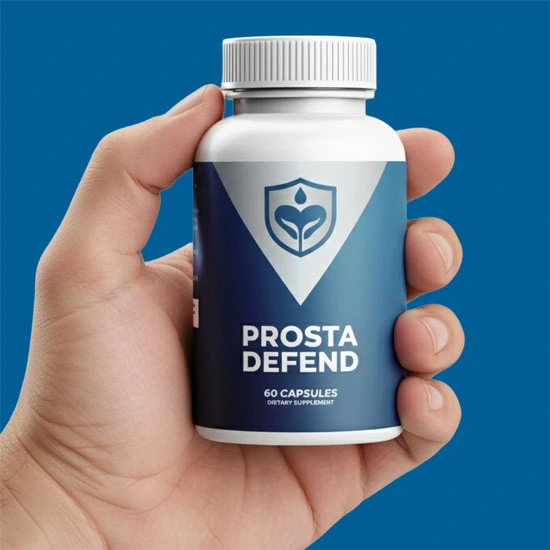
Introducing ProstaDefend: Natural Support for Prostate Health
ProstaDefend is a natural supplement designed to support prostate health and alleviate the discomfort associated with BPH, aiming to help men achieve more restful sleep by reducing nocturnal urinary symptoms.
Saw Palmetto Extract
Role: A widely researched botanical known for its ability to support prostate health by potentially inhibiting the conversion of testosterone to DHT and reducing inflammation. It's often used to improve urinary flow and reduce nocturia.
Beta-Sitosterol
Role: A plant sterol found in many plants, fruits, and vegetables. It's effective in improving urinary flow, reducing residual urine volume, and alleviating common BPH symptoms like weak stream and incomplete emptying.
Pygeum Africanum Bark
Role: Extracted from the African cherry tree, Pygeum has been traditionally used to support prostate health. It contains compounds that reduce inflammation, improve urinary function, and may help with bladder emptying. Learn more about Pygeum Africanum benefits.
Green Tea Extract
Role: Rich in antioxidants called catechins, particularly EGCG, which possesses anti-inflammatory and anti-carcinogenic properties. It supports overall cellular health, including prostate cells, and provides antioxidant protection.
Stinging Nettle Root
Role: Often used in combination with Saw Palmetto, nettle root helps support healthy urinary function and may alleviate BPH symptoms by affecting hormones and reducing inflammation in the prostate gland.
Zinc
Role: An essential mineral crucial for immune function and prostate health. Zinc deficiency is common in men with BPH, and adequate intake is vital for maintaining prostate size and function.
Vitamin E
Role: A powerful antioxidant that protects cells from oxidative damage. It plays a role in cellular health and can contribute to reducing inflammation, which is beneficial for prostate tissue.
Selenium
Role: Another potent antioxidant that works synergistically with Vitamin E to support prostate cell health and protect against oxidative stress. It's important for overall male reproductive health.
By combining these powerful natural ingredients, ProstaDefend aims to provide comprehensive support for prostate health, helping to reduce the urinary symptoms that often disrupt sleep. When your prostate is healthier, and urinary function is optimized, the frequency of nighttime awakenings can decrease, paving the way for more consistent and restorative sleep.

Reclaim Your Nights and Revitalize Your Days with ProstaDefend
Don't let BPH symptoms and poor sleep continue to dictate your life. ProstaDefend offers a natural, comprehensive approach to supporting prostate health, helping you reduce nighttime awakenings and improve your overall well-being.
- ✓ Supports Healthy Prostate Size
- ✓ Improves Urinary Flow and Reduces Urgency
- ✓ Decreases Nighttime Bathroom Trips
- ✓ Formulated with Scientifically-Backed Natural Ingredients
- ✓ Made in the USA, GMP Certified




What Our Customers Say
"I used to wake up 4-5 times a night. Since starting ProstaDefend, it's down to 1-2 times, and sometimes I even sleep through! My energy is back, and I feel like myself again. This product is a game-changer."
"My doctor suggested looking into natural options for my BPH. ProstaDefend caught my eye, and I'm so glad I tried it. The constant urge to go has lessened, and I'm finally getting some uninterrupted sleep. Highly recommend."
"The difference in my sleep quality is incredible. Before, every night was a struggle with multiple bathroom trips. Now, I sleep sounder, longer, and feel much more refreshed. ProstaDefend has truly improved my nights and days."
Frequently Asked Questions
How does poor sleep directly impact BPH symptoms?
+Poor sleep can exacerbate BPH symptoms through several mechanisms. It disrupts hormonal balance, particularly testosterone and melatonin, which play roles in prostate regulation. Lack of sleep also increases systemic inflammation, a known contributor to prostate enlargement and irritation. Furthermore, inadequate sleep can heighten stress levels, leading to increased bladder sensitivity and more frequent urges to urinate, especially at night. This creates a vicious cycle where BPH causes sleep disruption, and poor sleep worsens BPH.
Can improving sleep help reduce nocturia?
+Yes, absolutely. While nocturia (nighttime urination) is a primary symptom of BPH, improving overall sleep quality can indirectly help manage it. By adopting better sleep hygiene practices, addressing underlying sleep disorders (like sleep apnea), and potentially using natural remedies or supplements that support prostate function, you can reduce the frequency and urgency of nighttime bathroom trips. A well-rested body is better equipped to regulate fluid balance and inflammatory responses, potentially leading to fewer awakenings.
What lifestyle changes can I make to improve sleep quality with BPH?
+To improve sleep quality with BPH, consider several lifestyle adjustments. Establish a consistent sleep schedule, even on weekends. Create a relaxing bedtime routine, avoiding screens and heavy meals before bed. Optimize your sleep environment by keeping it dark, quiet, and cool. Limit fluid intake in the hours leading up to bedtime, especially caffeine and alcohol. Regular moderate exercise, avoiding strenuous activity close to sleep, can also be beneficial. Additionally, managing stress through mindfulness or relaxation techniques can significantly improve sleep.
Are there specific nutrients or supplements that support both sleep and prostate health?
+Yes, certain nutrients and botanicals are recognized for their potential benefits for both sleep and prostate health. For sleep, magnesium, L-theanine, and melatonin are often recommended. For prostate health, ingredients like Saw Palmetto, Beta-Sitosterol, Pygeum Africanum, and various antioxidants are well-researched. Some natural supplements, like ProstaDefend, combine ingredients that aim to support prostate function, which can indirectly lead to fewer nighttime awakenings and improved sleep. Always discuss with your doctor before starting any new supplement.
When should I consult a doctor about my sleep issues or BPH symptoms?
+You should consult a doctor if your sleep issues are persistent, severely impacting your daily life, or if you suspect an underlying sleep disorder like sleep apnea. For BPH symptoms, medical consultation is crucial if you experience frequent, urgent, or painful urination, a weak urine stream, incomplete bladder emptying, or blood in your urine. A doctor can accurately diagnose BPH, rule out other serious conditions, and recommend appropriate treatment plans, which may include lifestyle changes, medications, or surgical options.
Is ProstaDefend a suitable option for improving prostate health and potentially sleep?
+ProstaDefend is formulated with a blend of natural ingredients known for their potential to support prostate health. By addressing factors related to BPH, such as prostate size, inflammation, and urinary flow, it may help reduce the frequency of nighttime urination (nocturia). This reduction in nighttime awakenings can naturally contribute to improved sleep quality. While ProstaDefend is not a sleep aid directly, its positive impact on prostate function can be a significant step towards a more restful night's sleep for men dealing with BPH symptoms. It's designed as a comprehensive prostate support supplement.
Related Articles