Are Your BPH Symptoms Worsening Due to Stress?
For many men navigating the challenges of Benign Prostatic Hyperplasia (BPH), the focus often lies on dietary changes, medication, or even surgical interventions. However, a crucial, yet frequently overlooked, factor can significantly impact the severity of BPH symptoms: stress. In our fast-paced modern world, chronic stress has become an unwelcome companion for many, and its ripple effects extend far beyond mental well-being, directly influencing various physiological systems, including the delicate balance of your prostate health.
Understanding the intricate relationship between stress and your prostate is not just academic; it's a vital step towards gaining better control over your BPH symptoms. Research increasingly points to how chronic psychological stress can exacerbate urinary issues, increase prostate inflammation, and contribute to the discomfort associated with an enlarged prostate. This article will delve deep into the physiological mechanisms linking stress to BPH, provide practical, evidence-based strategies for stress management, and offer a holistic perspective on improving your prostate health.

The Unseen Connection: How Stress Impacts Your Prostate
It might seem counterintuitive, but your mental state can profoundly influence the physical symptoms of BPH. Understanding this connection is the first step toward effective management.
When you experience stress, your body activates its "fight or flight" response, a primal survival mechanism designed to help you react to perceived threats. This response is mediated by the sympathetic nervous system, which releases a cascade of hormones, primarily adrenaline (epinephrine) and noradrenaline (norepinephrine). While beneficial in short bursts, chronic activation of this system can have detrimental effects on various bodily functions, including those related to prostate health.
One of the most direct impacts of stress on BPH involves the smooth muscles within the prostate and the bladder neck. The prostate gland itself contains a significant amount of smooth muscle tissue. When the sympathetic nervous system is overactive due to stress, it causes these muscles to contract. This contraction can lead to an increase in the urethral resistance, making it harder for urine to flow out of the bladder, thereby worsening symptoms like weak stream, hesitancy, and incomplete bladder emptying. Imagine trying to squeeze water through a constricted hose – that's what your urinary system experiences.
Beyond muscle contraction, stress also influences hormonal balance. Chronic stress leads to elevated levels of cortisol, often referred to as the "stress hormone." While cortisol plays many vital roles, sustained high levels can disrupt the delicate balance of other hormones, including testosterone and dihydrotestosterone (DHT), which are known to play a role in prostate growth. Some theories suggest that chronic stress may indirectly contribute to the proliferation of prostate cells, although more research is needed to fully elucidate this complex pathway.
Furthermore, stress can fuel inflammation throughout the body. Prolonged exposure to stress hormones can suppress immune function and promote a state of chronic low-grade inflammation. The prostate, like any other organ, is susceptible to inflammatory processes. Inflammation within the prostate (prostatitis) can independently cause discomfort and urinary symptoms, and when combined with BPH, it can significantly amplify the overall burden of symptoms. This inflammatory response can lead to swelling and tenderness of the prostate, further aggravating existing BPH issues.
💡 Key Takeaway
Chronic stress directly impacts BPH by activating the sympathetic nervous system, leading to prostatic smooth muscle contraction, increased urethral resistance, and elevated inflammation. These physiological responses collectively worsen urinary symptoms and overall discomfort for men with an enlarged prostate.
Specific BPH Symptoms Worsened by Stress
Stress doesn't just make you feel generally unwell; it can specifically amplify the most bothersome symptoms of BPH, turning an inconvenience into a significant disruption.
Many men with BPH report that their urinary symptoms become noticeably worse during periods of high stress. Let's break down which specific symptoms are most affected:
- Urinary Frequency and Urgency: The feeling of needing to urinate often, and with little warning, can be intensely frustrating. Stress exacerbates this by increasing bladder sensitivity and promoting bladder muscle contractions. The "nervous bladder" phenomenon is a real physiological response, and when combined with an already enlarged prostate, it means more frequent trips to the bathroom, often with a feeling of intense urgency.
- Nocturia (Nighttime Urination): Waking up multiple times during the night to urinate is a hallmark symptom of BPH and a major disruptor of sleep quality. Stress can worsen nocturia through several mechanisms. Firstly, heightened anxiety can make it harder to fall back asleep after waking, leading to fragmented sleep. Secondly, stress hormones can influence fluid balance, and the overactive sympathetic nervous system can contribute to bladder spasms that prompt nighttime awakenings. The mental preoccupation with stress can also make the brain more alert, preventing deep sleep cycles that would otherwise suppress the urge to urinate.
- Weak Stream and Hesitancy: As mentioned, stress-induced smooth muscle contraction in the prostate and bladder neck physically obstructs urine flow. This leads to a weaker, slower stream and a noticeable delay (hesitancy) before urination begins. The effort required to empty the bladder increases, potentially causing discomfort and a feeling of incomplete emptying.
- Incomplete Bladder Emptying: The sensation that your bladder isn't fully empty, even after urinating, is a common and irritating BPH symptom. When stress tightens the prostate and bladder neck, it can prevent the bladder from fully contracting and expelling all urine. This residual urine can increase the risk of urinary tract infections (UTIs) and further contribute to frequency and urgency.
- Pain and Discomfort: While BPH is not typically painful, chronic stress can lower the pain threshold and increase awareness of discomfort. If stress is contributing to prostate inflammation, it can lead to sensations of aching or pressure in the perineal area, lower abdomen, or even the lower back, further diminishing quality of life.
Understanding these links empowers you to recognize that managing your stress isn't just about mental health; it's a direct intervention for your physical BPH symptoms. Addressing stress can provide a synergistic benefit with other treatments for an enlarged prostate.
Long-Term Effects of Chronic Stress on Overall Health and BPH
Chronic stress is a silent assailant, eroding not just your peace of mind but your physical health, particularly when it comes to conditions like BPH.
Systemic Inflammation
Persistent stress keeps your body in a state of heightened alert, leading to chronic low-grade inflammation. This systemic inflammation can damage cells and tissues throughout the body, including the prostate. In the context of BPH, this means a continuously inflamed prostate, which can accelerate tissue growth and worsen urinary symptoms. Managing stress is crucial for dampening this inflammatory response.
Hormonal Imbalances
The constant release of cortisol and other stress hormones can disrupt the delicate balance of your endocrine system. This can lead to imbalances in sex hormones, such as testosterone and estrogen, which play significant roles in prostate health and growth. Maintaining hormonal equilibrium is vital for preventing further prostate enlargement and supporting healthy cellular function.
Impaired Immune Function
Chronic stress weakens your immune system, making you more susceptible to infections, including urinary tract infections (UTIs) and prostate infections. For men with BPH, incomplete bladder emptying can already predispose them to UTIs, and a compromised immune system further increases this risk. A healthy immune system is your body's best defense against complications.
Increased Muscle Tension
Beyond the prostate itself, chronic stress leads to general muscle tension throughout the body, including the pelvic floor. A tight pelvic floor can exacerbate urinary symptoms by further restricting urine flow and contributing to discomfort. Learning to relax these muscles through stress management techniques can offer significant relief.
Poor Sleep Quality
Stress and BPH symptoms create a vicious cycle with sleep. Stress makes it harder to fall asleep and stay asleep, while frequent nighttime urination due to BPH further fragments sleep. Poor sleep, in turn, amplifies stress and inflammation, worsening BPH. Breaking this cycle is essential for both mental and physical recovery.
Reduced Quality of Life
The cumulative effect of worsened BPH symptoms, chronic discomfort, poor sleep, and constant worry due to stress can severely diminish a man's overall quality of life. It impacts relationships, work performance, and the ability to enjoy daily activities. Addressing stress is thus not just about managing symptoms, but about reclaiming enjoyment and vitality in life.
Identifying Your Stress Triggers
Before you can manage stress, you need to understand what causes it. Taking stock of your personal stressors is a crucial first step.
Stress manifests differently for everyone. What one person finds invigorating, another might find overwhelming. For men, common sources of stress often revolve around work pressures, financial concerns, family responsibilities, health issues (like BPH itself), relationship challenges, and the demands of modern life. Recognizing these triggers is not about eliminating them entirely, which is often impossible, but about developing healthier coping mechanisms.
Consider keeping a stress journal for a week or two. Note down when you feel particularly stressed, what happened immediately before, how you reacted, and how your BPH symptoms felt at that time. This practice can reveal patterns and connections you might not have noticed. For instance, you might discover that your urinary urgency spikes after a particularly demanding meeting, or that your nocturia is worse on nights you've been worrying about finances.
Common stress triggers include:
- Work-related pressures: Deadlines, demanding bosses, job insecurity, long hours.
- Financial strain: Debt, unexpected expenses, providing for family.
- Relationship issues: Marital conflicts, family disputes, social isolation.
- Health concerns: Dealing with chronic conditions, fear of illness, BPH symptoms themselves.
- Major life changes: Moving, retirement, loss of a loved one.
- Environmental factors: Noise pollution, crowded spaces, daily commute.
- Self-imposed pressures: Perfectionism, over-scheduling, inability to say no.
Once you identify your triggers, you can begin to strategize. Can some triggers be avoided? Can your reaction to others be changed? Can you implement stress-reducing activities preemptively when you know a stressful period is approaching? Self-awareness is a powerful tool in the fight against chronic stress and its impact on your prostate.
Effective Strategies for Stress Management and Prostate Health
Taking proactive steps to manage stress can significantly improve your BPH symptoms and overall well-being. Here are evidence-based strategies to incorporate into your daily routine.
Regular Physical Activity
Exercise is a potent stress reliever. It helps reduce stress hormones like cortisol and adrenaline while stimulating the production of endorphins, natural mood elevators. Aim for at least 30 minutes of moderate-intensity exercise most days of the week. Activities like brisk walking, jogging, swimming, or cycling are excellent choices. Regular movement also supports healthy circulation and can reduce inflammation, benefiting prostate health directly.
Mindfulness and Meditation
Practices like mindfulness meditation and deep breathing exercises can train your mind to respond more calmly to stress. Even just 10-15 minutes a day can make a difference. These techniques help activate the parasympathetic nervous system, the "rest and digest" system, counteracting the effects of the sympathetic "fight or flight" response. Apps and online guided meditations can be great starting points.
Nutrient-Rich Diet
What you eat plays a significant role in both stress resilience and prostate health. A diet rich in fruits, vegetables, whole grains, and lean proteins provides essential nutrients that support nervous system function and reduce inflammation. Limiting processed foods, excessive sugar, caffeine, and alcohol can also help stabilize mood and reduce bladder irritation. For more specific dietary advice, you can explore foods that help prostate enlargement.
Prioritize Quality Sleep
Sleep is your body's primary time for repair and restoration. Chronic sleep deprivation elevates stress hormones and exacerbates BPH symptoms. Aim for 7-9 hours of quality sleep per night. Establish a consistent sleep schedule, create a relaxing bedtime routine, and ensure your bedroom is dark, quiet, and cool. If nocturia is severely disrupting your sleep, discuss strategies with your doctor.
Build Strong Social Connections
Human connection is a powerful buffer against stress. Spending time with loved ones, joining social groups, or volunteering can reduce feelings of isolation and provide emotional support. Sharing your feelings and experiences, even about your BPH symptoms, can be incredibly therapeutic and reduce the burden of stress.
Time Management and Boundaries
Poor time management and an inability to say no can lead to overwhelming stress. Learn to prioritize tasks, delegate when possible, and set realistic expectations for yourself. Establishing healthy boundaries in your personal and professional life protects your time and energy, reducing potential stressors.
Seek Professional Support
If stress feels unmanageable, don't hesitate to seek help from a mental health professional. Therapists, counselors, or psychologists can provide personalized strategies, coping mechanisms, and support to help you navigate chronic stress. Sometimes, a fresh perspective and expert guidance are exactly what's needed to break free from the cycle of stress.
Engage in Hobbies and Relaxation
Make time for activities that bring you joy and help you relax. Whether it's reading, listening to music, gardening, playing an instrument, or spending time in nature, these activities can serve as a mental escape and help you de-stress. Prioritizing self-care is not selfish; it's essential for your overall health.
The Role of Natural Supplements in Supporting Prostate Health and Stress Resilience
While lifestyle changes are paramount, certain natural ingredients have shown promise in supporting prostate health and enhancing the body's ability to cope with stress.
Many men seek natural alternatives or complementary approaches to manage their BPH symptoms and improve overall well-being. The synergy between stress and prostate health makes a holistic approach particularly effective. Some natural ingredients are known for their anti-inflammatory properties, hormonal balancing effects, or their ability to support the nervous system, thereby indirectly benefiting the prostate by reducing the impact of stress.
When considering natural support for BPH, it's important to look for ingredients backed by scientific research. Key ingredients often found in reputable prostate health supplements include:
- Saw Palmetto: A well-known herb traditionally used to support prostate health, often studied for its potential to inhibit 5-alpha-reductase, an enzyme that converts testosterone to DHT, a hormone linked to prostate growth.
- Beta-Sitosterol: A plant sterol found in many vegetables, fruits, and nuts. It has been researched for its ability to improve urinary flow and reduce residual urine volume in men with BPH.
- Pygeum Africanum: An extract from the bark of the African plum tree, traditionally used to reduce inflammation and improve urinary symptoms associated with BPH.
- Stinging Nettle Root: Often used in combination with Saw Palmetto or Pygeum, it may help inhibit the binding of DHT to prostate cells and reduce inflammation.
- Zinc: An essential mineral crucial for immune function and prostate health. Zinc levels are often lower in men with BPH.
- Selenium: An antioxidant mineral that plays a role in prostate cell protection.
- Vitamin D: Growing research suggests a link between Vitamin D deficiency and prostate issues, including BPH.
For a deeper dive into how specific ingredients like Saw Palmetto and Beta-Sitosterol work, you can refer to our detailed article on ProstaDefend Ingredients: Saw Palmetto and Beta-Sitosterol.
When choosing a supplement, look for products that are transparent about their ingredients, dosages, and manufacturing processes. It's always advisable to consult with your healthcare provider before starting any new supplement, especially if you are taking other medications or have underlying health conditions. A doctor can help you determine the best approach based on your individual needs and medical history.
Support Your Prostate Health and Reduce Stress-Related Symptoms with ProstaDefend
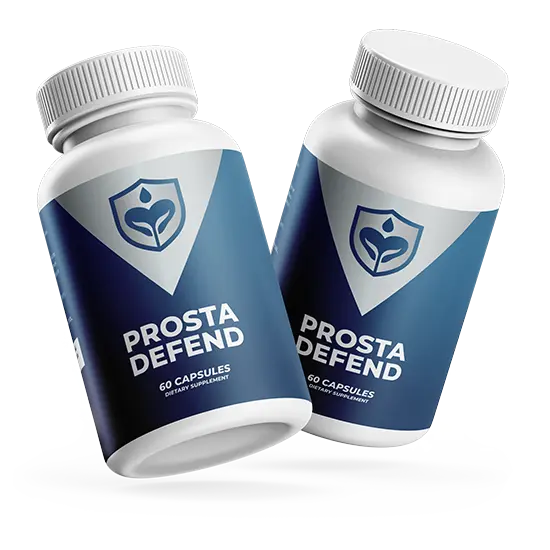
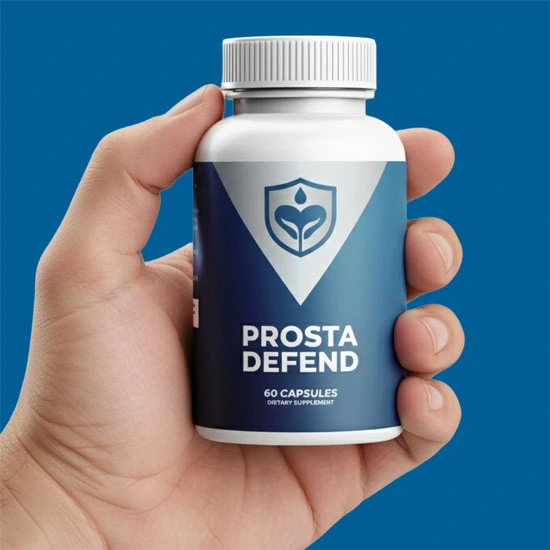
ProstaDefend is a natural supplement meticulously formulated with a blend of clinically-researched ingredients designed to support prostate health, alleviate BPH symptoms, and help your body better manage the impact of stress. Our unique formula targets the root causes of prostate discomfort, offering a comprehensive solution for men seeking relief.
- ✓ Reduces urinary frequency and urgency
- ✓ Improves urine flow and bladder emptying
- ✓ Supports healthy prostate size and function
- ✓ Formulated with natural ingredients known to reduce inflammation
- ✓ Enhances overall quality of life by reducing discomfort




Understanding Benign Prostatic Hyperplasia (BPH)
To fully appreciate the impact of stress, it's helpful to have a foundational understanding of BPH itself.
Benign Prostatic Hyperplasia, or BPH, is a common condition among aging men where the prostate gland enlarges. The prostate, a walnut-sized gland, surrounds the urethra, the tube that carries urine from the bladder out of the body. As the prostate grows, it can compress the urethra, obstructing urine flow and leading to a range of bothersome urinary symptoms. This condition is non-cancerous, but its symptoms can significantly impair quality of life.
The exact causes of BPH are not fully understood, but it is believed to be linked to hormonal changes as men age, particularly an increase in dihydrotestosterone (DHT) and an imbalance between estrogen and testosterone. Genetic factors, lifestyle choices, and chronic inflammation are also thought to play a role. While BPH is not life-threatening, if left unmanaged, it can lead to complications such as urinary tract infections, bladder stones, and in severe cases, kidney damage.
Symptoms of BPH can vary in severity and include:
- Frequent or urgent need to urinate
- Increased frequency of urination at night (nocturia)
- Difficulty starting urination (hesitancy)
- Weak urine stream or a stream that stops and starts
- Dribbling at the end of urination
- Inability to completely empty the bladder
It's important for men experiencing these symptoms to consult a healthcare professional for an accurate diagnosis and to rule out other, more serious conditions like prostate cancer. Once diagnosed, a comprehensive management plan, which should ideally include stress reduction strategies, can be developed.
What Our Customers Are Saying
"I noticed a significant improvement in my urinary urgency after a few weeks. The nighttime trips to the bathroom are less frequent, and I feel less stressed overall. It's truly made a difference in my sleep."
"Dealing with BPH was a constant source of anxiety. ProstaDefend, along with my efforts to manage stress, has given me back some control. My stream is stronger, and I feel more confident throughout the day."
"I was skeptical at first, but the natural ingredients intrigued me. My doctor even commented on the positive changes. I'm feeling less pressure and can focus better now that I'm not constantly worried about my next bathroom break."
Conclusion: A Holistic Path to Prostate Health
The journey to optimal prostate health, especially when dealing with BPH, is multifaceted. It's clear that stress is not merely a psychological burden but a tangible factor that can worsen your physical symptoms.
By understanding the intricate connection between your mental state and your prostate, you gain a powerful tool for managing BPH. Implementing effective stress management techniques—from regular exercise and mindfulness to a balanced diet and quality sleep—can significantly alleviate the severity of urinary symptoms and improve your overall well-being. These lifestyle interventions, when combined with natural support from carefully formulated supplements like ProstaDefend, offer a comprehensive and holistic approach to nurturing your prostate health.
Remember, your health is an investment, not an expense. Taking proactive steps to address both the physical and psychological aspects of BPH can lead to a noticeable improvement in your quality of life, allowing you to reclaim comfort, confidence, and peace of mind. Don't let stress dictate your prostate health; take control today.
Frequently Asked Questions
How does stress directly affect the prostate?
+Stress activates the sympathetic nervous system, leading to the release of norepinephrine. This neurotransmitter can cause the smooth muscles in the prostate and bladder neck to contract, increasing resistance to urine flow and worsening BPH symptoms like urgency and frequency.
Can managing stress reduce my BPH symptoms?
+While stress management won't cure BPH, it can significantly alleviate the severity and frequency of symptoms. By reducing muscle tension, inflammation, and hormonal imbalances, stress reduction techniques can improve urinary flow and overall comfort, complementing other treatments.
What are some effective stress management techniques for men with BPH?
+Effective techniques include regular physical exercise, mindfulness meditation, deep breathing exercises, ensuring adequate sleep, maintaining a healthy diet, engaging in hobbies, and seeking support from friends, family, or a therapist. Avoiding excessive caffeine and alcohol can also help.
Is there a link between chronic stress and prostate inflammation?
+Yes, chronic stress can lead to prolonged elevation of stress hormones like cortisol, which can disrupt immune function and promote systemic inflammation. This inflammation can directly affect the prostate, potentially exacerbating BPH symptoms and contributing to prostate tissue growth.
Should I talk to my doctor about stress if I have BPH?
+Absolutely. It's crucial to discuss all aspects of your health, including stress levels, with your doctor. They can help you understand how stress might be impacting your BPH, recommend appropriate stress management strategies, and ensure your overall treatment plan is comprehensive.
Are natural supplements helpful for stress-related BPH symptoms?
+Certain natural supplements containing ingredients like Saw Palmetto, Beta-Sitosterol, and adaptogens may support prostate health and help the body manage stress more effectively. However, always consult with your healthcare provider before starting any new supplement regimen to ensure it's appropriate for your specific condition.
Related Articles