Are you waking up multiple times at night to urinate?
For many men, the prostate gland becomes a source of concern as they age. This small, walnut-sized gland, located just below the bladder, plays a crucial role in the male reproductive system. However, its growth throughout a man's life can lead to a common condition known as Benign Prostatic Hyperplasia (BPH), or simply, an enlarged prostate.
BPH affects millions of men worldwide, with its prevalence increasing significantly with age. While it is a non-cancerous condition, the symptoms can severely impact quality of life, leading to discomfort, sleep disturbances, and even serious health complications if left unaddressed. Recognizing the early signs of an enlarged prostate is paramount for timely intervention and effective management.
Understanding Benign Prostatic Hyperplasia (BPH)
Before diving into the symptoms, it's essential to understand what BPH is and why it occurs. This knowledge empowers you to better interpret changes in your body and seek appropriate care.
The prostate gland is a vital part of the male reproductive system, responsible for producing seminal fluid that nourishes and transports sperm. It surrounds the urethra, the tube that carries urine from the bladder out of the body. Throughout a man's life, the prostate undergoes two main growth phases. The first occurs early in puberty, and the second, which can lead to BPH, typically begins around age 25 and continues throughout life.
As the prostate gland enlarges, it can press on the urethra, much like squeezing a straw. This compression obstructs the flow of urine from the bladder, leading to a variety of urinary issues. The term "benign" is crucial here, as it means the enlargement is not cancerous and does not increase the risk of prostate cancer. However, it's important not to confuse the two, as their symptoms can sometimes overlap, making a medical diagnosis essential.
The exact cause of BPH is not fully understood, but it's believed to be linked to hormonal changes that occur as men age, particularly changes in testosterone and estrogen levels. Factors such as age, family history, and certain medical conditions like obesity and heart disease can increase the likelihood of developing BPH. While BPH is a natural part of aging for many men, its impact on daily life can range from mild annoyance to severe health challenges.
💡 Key Takeaway
Benign Prostatic Hyperplasia (BPH) is a non-cancerous enlargement of the prostate gland, common in aging men. It compresses the urethra, causing urinary symptoms. Understanding this condition is the first step towards recognizing and managing its early signs effectively.
The Earliest Urinary Symptoms of an Enlarged Prostate
The symptoms of BPH are primarily related to the lower urinary tract and can manifest subtly at first, gradually worsening over time. Paying attention to these early indicators can make a significant difference in managing the condition.
One of the most common and often earliest signs is frequent urination. This isn't just about urinating more often during the day, but also experiencing a heightened sense of urgency. You might feel a sudden, strong need to urinate that is difficult to postpone. This can be particularly disruptive at night, a symptom known as nocturia. Waking up two or more times a night to urinate is a strong indicator that your prostate might be enlarged and impacting your sleep quality.
Another classic symptom is a weak or slow urine stream. Instead of a strong, steady flow, you might notice that your urine stream is thinner, less forceful, or takes longer to complete. This is directly due to the urethra being compressed by the enlarged prostate. Closely related to this is urinary hesitancy, which means it takes a noticeable effort or time to start urinating, even when you feel the urge. You might find yourself standing at the toilet for a few moments before any urine begins to flow.
A feeling of incomplete bladder emptying is also very common. Even after urinating, you might feel like your bladder isn't entirely empty, leading to a desire to urinate again shortly after. This sensation can be frustrating and lead to more frequent trips to the bathroom. You might also experience dribbling at the end of urination, where urine continues to leak out for a few moments after you think you're finished. These symptoms are often progressive, meaning they tend to get worse over months or years if not addressed. For more insights on managing these issues, consider exploring natural approaches to prostate health, such as those discussed in our article on how to improve prostate health naturally.
It's important to differentiate these symptoms from those of other conditions. For instance, increased thirst due to diabetes can also cause frequent urination. However, the combination of several of these specific lower urinary tract symptoms (LUTS) strongly suggests BPH. Keeping a symptom diary can be helpful for both you and your doctor to track the frequency and severity of these changes.
💡 Key Takeaway
Early BPH symptoms primarily involve changes in urination patterns: frequent urination (especially nocturia), urgency, a weak or hesitant stream, a feeling of incomplete emptying, and post-void dribbling. These signs often progress subtly and warrant attention.
Less Obvious and Progressive Symptoms to Monitor
Beyond the common urinary changes, BPH can also present with less obvious symptoms or lead to complications that indicate a more advanced stage of the condition. Recognizing these can prevent further health issues.
As the obstruction of the urethra becomes more significant, some men might experience straining during urination. This means actively pushing or bearing down to get urine out, which can be taxing on the bladder and lead to other problems over time. The bladder, a muscular organ, has to work harder to push urine past the enlarged prostate. Over time, this extra effort can cause the bladder muscle to thicken and become less efficient, leading to further complications.
Another symptom that might appear is recurrent urinary tract infections (UTIs). When the bladder doesn't empty completely, residual urine can become a breeding ground for bacteria, increasing the risk of infections. These infections can cause burning during urination, cloudy urine, and sometimes fever, and require medical treatment. While UTIs are more common in women, they can occur in men, especially those with BPH.
In more severe cases, BPH can lead to the formation of bladder stones. These stones develop when minerals in the residual urine crystallize, causing further irritation, pain, and potentially blocking urine flow. Symptoms of bladder stones can include lower abdominal pain, blood in the urine, and interrupted urine flow. Rarely, blood in the urine (hematuria) can also be a symptom of BPH, though it's crucial to rule out other, more serious causes like bladder or kidney cancer.
The most serious and acute symptom is acute urinary retention, which is the sudden inability to urinate at all. This is a medical emergency that causes severe pain and requires immediate medical attention, often involving catheterization to drain the bladder. Factors like certain medications (e.g., decongestants, antihistamines), alcohol consumption, or prolonged deferral of urination can sometimes trigger acute urinary retention in men with pre-existing BPH.
💡 Key Takeaway
Beyond initial urinary changes, progressive BPH symptoms include straining during urination, recurrent UTIs, bladder stones, and in severe cases, acute urinary retention (a medical emergency). Blood in urine can also occur, requiring prompt medical evaluation.
Factors Increasing Your Risk of BPH
Aging
Age is the primary risk factor. BPH rarely causes symptoms before age 40, but over half of men in their 50s and 60s experience symptoms, and this increases to 80-90% by age 80.
Family History
If your father or brother has BPH, you are more likely to develop the condition. Genetic predisposition plays a significant role in prostate enlargement.
Obesity
Studies suggest that obesity can increase the risk of BPH, possibly due to its impact on hormone levels and inflammation. Maintaining a healthy weight is beneficial for overall health, including prostate health.
Heart Disease & Diabetes
Men with heart disease and type 2 diabetes are at a higher risk of developing BPH. Lifestyle factors and medications used for these conditions might contribute to prostate growth.
Lack of Physical Activity
A sedentary lifestyle has been linked to an increased risk of BPH. Regular exercise can help reduce inflammation, manage weight, and improve overall hormonal balance, which can benefit prostate health.
Diet
While research is ongoing, some studies suggest that a diet high in red meat and dairy, and low in fruits and vegetables, may contribute to BPH risk. A balanced, plant-rich diet is generally recommended.
When to See a Doctor: Don't Delay
It's crucial to emphasize that while BPH is common, its symptoms should never be ignored. Early diagnosis and management can prevent complications and significantly improve your quality of life.
If you are experiencing any of the symptoms mentioned above, even if they seem mild, it's important to schedule an appointment with your doctor. Don't self-diagnose or assume it's "just part of aging." Your doctor can rule out more serious conditions, such as prostate cancer, which can present with similar symptoms. Early detection of any prostate issue is key to effective treatment.
You should definitely see a doctor if your symptoms are significantly affecting your daily life, causing sleep disturbances, or leading to discomfort or embarrassment. Seek immediate medical attention if you experience: sudden inability to urinate, severe pain in the lower abdomen or pelvic area, blood in your urine, or fever with urinary symptoms. These could indicate complications that require urgent intervention.
Regular check-ups, especially for men over 50, are vital for monitoring prostate health. Your doctor will likely conduct a physical exam, including a Digital Rectal Exam (DRE), and may order blood tests, such as a Prostate-Specific Antigen (PSA) test, to assess your prostate health. These tests, along with a thorough discussion of your symptoms and medical history, will help in reaching an accurate diagnosis and formulating a personalized treatment plan.
💡 Key Takeaway
Any persistent or bothersome urinary symptoms warrant a doctor's visit to rule out serious conditions like prostate cancer and to begin appropriate BPH management. Acute urinary retention, severe pain, or blood in urine require immediate medical attention.
Diagnostic Tests for Enlarged Prostate (BPH)
When you consult your doctor about potential BPH symptoms, they will typically perform a series of tests to confirm the diagnosis, rule out other conditions, and assess the severity of your condition.
Digital Rectal Exam (DRE)
During a DRE, your doctor inserts a gloved, lubricated finger into your rectum to feel the prostate. This allows them to assess the size, shape, and texture of the prostate and check for any abnormalities, such as hard spots that might indicate cancer. It's a quick and essential first step.
PSA Blood Test
A Prostate-Specific Antigen (PSA) test measures the level of PSA, a protein produced by prostate cells, in your blood. Elevated PSA levels can indicate prostate enlargement, inflammation, or cancer. While not specific to BPH, it's an important screening tool to help rule out prostate cancer.
Urinalysis
A urine sample is tested to check for signs of infection, blood, or other abnormalities that could indicate conditions other than BPH, such as a urinary tract infection or kidney issues. This helps ensure that your symptoms are indeed related to prostate enlargement.
Uroflowmetry
This test measures the speed and volume of your urine flow. You urinate into a special funnel that contains a scale and measuring device. A reduced or weak flow rate can indicate an obstruction, which is characteristic of BPH. It provides objective data on how well you're urinating.
Post-Void Residual (PVR) Volume Test
This test measures how much urine remains in your bladder after you've tried to empty it. A significant amount of residual urine indicates that your bladder isn't emptying completely, a common issue with BPH. This can be done with ultrasound or, less commonly, a catheter.
Symptom Score Questionnaires
Your doctor might ask you to complete a questionnaire, such as the International Prostate Symptom Score (IPSS), to quantify the severity of your symptoms and how much they bother you. This helps track progress and evaluate treatment effectiveness.
Managing BPH: Treatment Options and Lifestyle Changes
Once diagnosed, there are various approaches to managing BPH, ranging from lifestyle adjustments to medications and, in some cases, surgical procedures. The best course of action depends on the severity of your symptoms, your overall health, and your preferences.
For mild symptoms, lifestyle modifications are often the first line of defense. These include reducing fluid intake before bedtime, limiting caffeine and alcohol (which can irritate the bladder and act as diuretics), avoiding certain medications that worsen symptoms (like decongestants), and practicing timed voiding and double voiding. A healthy diet rich in fruits, vegetables, and lean proteins, coupled with regular exercise, can also support overall prostate health. Maintaining a healthy weight is also crucial, as obesity is a known risk factor for BPH progression.
When symptoms become more bothersome, your doctor might recommend medications. Alpha-blockers (e.g., tamsulosin, alfuzosin) work by relaxing the muscles in the prostate and bladder neck, making it easier to urinate. 5-alpha reductase inhibitors (e.g., finasteride, dutasteride) work by shrinking the prostate gland itself over several months. Sometimes, a combination of these medications is prescribed. There are also newer medications that combine these approaches or target overactive bladder symptoms that can coexist with BPH.
For men who don't respond to medications or have more severe symptoms, various minimally invasive procedures and surgical options are available. These include Transurethral Resection of the Prostate (TURP), which involves removing excess prostate tissue, laser therapies (like GreenLight laser surgery), and newer procedures like UroLift (prostatic urethral lift) or Rezūm (water vapor thermal therapy). These procedures aim to relieve the obstruction caused by the enlarged prostate, improving urine flow and reducing symptoms.
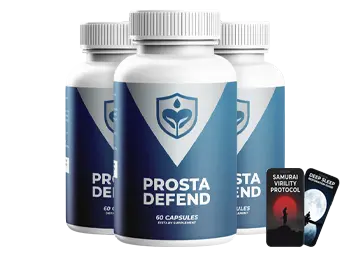
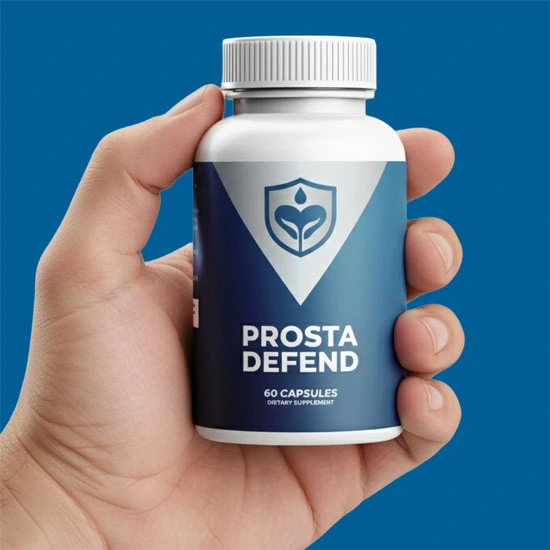
In addition to conventional treatments, many men explore natural supplements to support prostate health. Ingredients like Saw Palmetto, Beta-Sitosterol, and Pygeum Africanum have been studied for their potential benefits in reducing BPH symptoms. For example, Pygeum Africanum has been traditionally used to address urinary issues, and you can learn more about its specific benefits in our article on Pygeum Africanum benefits for prostate health. While these supplements can be a helpful part of a comprehensive approach, it's important to discuss them with your doctor to ensure they are safe and appropriate for your individual condition, especially if you are taking other medications. ProstaDefend is one such supplement that incorporates a blend of natural ingredients aimed at supporting prostate health and alleviating BPH symptoms.
💡 Key Takeaway
BPH management ranges from lifestyle changes (diet, exercise, fluid management) for mild symptoms, to medications (alpha-blockers, 5-ARIs) for moderate symptoms, and minimally invasive or surgical procedures for severe cases. Natural supplements can also be considered as part of a holistic approach.
Key Natural Ingredients for Prostate Health Support
For those seeking natural avenues to support prostate health and manage BPH symptoms, several botanical extracts and nutrients have garnered significant attention and research. ProstaDefend incorporates a synergistic blend of these ingredients, aiming to provide comprehensive support.
Saw Palmetto
Role: Widely recognized for its ability to support healthy prostate size and urinary flow. It may help inhibit the conversion of testosterone to DHT, a hormone linked to prostate growth.
320-400mg dailyBeta-Sitosterol
Role: A plant sterol found in many fruits, vegetables, and nuts. Research suggests it can significantly improve urinary flow and reduce residual urine volume in men with BPH.
60-130mg dailyPygeum Africanum
Role: An extract from the bark of the African plum tree, it has anti-inflammatory properties and may help reduce symptoms like nocturia and urinary frequency by improving bladder elasticity.
50-100mg dailyGreen Tea Extract
Role: Rich in antioxidants, particularly catechins like EGCG, which may help protect prostate cells from damage and support healthy cell growth. It contributes to overall cellular health.
200-500mg dailyStinging Nettle Root
Role: Often used in conjunction with Saw Palmetto, nettle root extract may help reduce inflammation and interfere with prostate cell growth, alleviating urinary symptoms.
120-360mg dailyZinc
Role: An essential mineral highly concentrated in the prostate. Zinc deficiency has been linked to prostate enlargement, and adequate intake is crucial for maintaining prostate health.
10-25mg dailyCopper
Role: Works synergistically with zinc. While zinc is vital, copper ensures a balanced mineral profile, as excessive zinc can sometimes deplete copper levels. Both are important for enzyme function.
1-2mg dailySelenium
Role: A powerful antioxidant that plays a role in prostate cell protection and immune function. Some studies suggest a link between selenium intake and reduced risk of prostate issues.
55-200mcg dailyVitamin B6
Role: Involved in numerous bodily functions, including hormone regulation and reducing inflammation, which can indirectly support prostate health and overall well-being.
1.3-10mg dailyVitamin E
Role: A fat-soluble antioxidant that protects cells from oxidative stress. It plays a role in immune function and may contribute to a healthy inflammatory response in the prostate.
15-200mg daily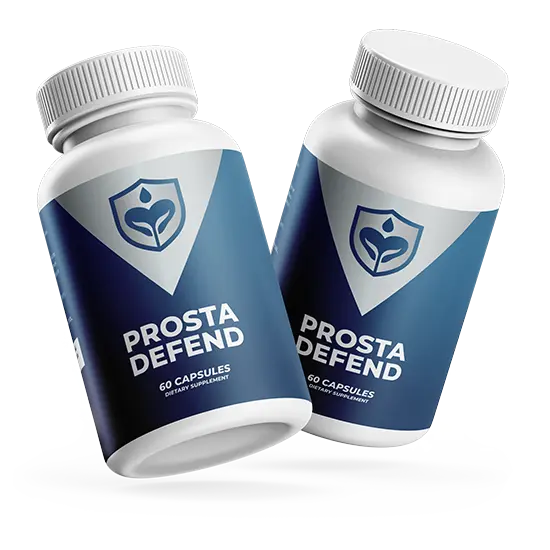
Take Control of Your Prostate Health Today with ProstaDefend
Don't let the discomfort and disruption of BPH symptoms dictate your life. ProstaDefend offers a scientifically-backed, all-natural solution designed to support prostate health and alleviate the common symptoms of an enlarged prostate.
- ✓ Supports healthy prostate size and function
- ✓ Reduces frequent urination and nocturia
- ✓ Promotes a strong, steady urine flow
- ✓ Enhances complete bladder emptying
- ✓ Made with a powerful blend of natural ingredients




What Our Customers Are Saying
"I was getting up 4-5 times a night, and my stream was so weak. After a few weeks of ProstaDefend, I'm down to 1-2 times, and the flow is much better. I feel like I'm finally getting a full night's sleep!"
"The constant urge to go was driving me crazy. ProstaDefend has made a noticeable difference. I can now go longer between bathroom breaks, and I don't feel that nagging pressure anymore. Highly recommend!"
"I was skeptical, but the natural ingredients convinced me to try it. My doctor said my prostate was slightly enlarged, and I wanted a natural option. ProstaDefend has helped me maintain a normal flow and reduced my trips to the bathroom."
Frequently Asked Questions
What are the earliest signs of an enlarged prostate?
+The earliest signs often include increased frequency of urination, especially at night (nocturia), a weaker urine stream, and a feeling of incomplete bladder emptying. These symptoms tend to develop gradually.
Is frequent urination always a sign of BPH?
+While frequent urination is a common symptom of BPH, it can also be caused by other conditions like urinary tract infections, diabetes, or even certain medications. It’s crucial to consult a doctor for an accurate diagnosis.
When should I see a doctor about prostate symptoms?
+You should see a doctor if you experience any persistent urinary symptoms that disrupt your daily life, such as difficulty urinating, pain, blood in urine, or a sudden inability to urinate. Early diagnosis can prevent complications.
Are there natural ways to support prostate health?
+Yes, lifestyle changes like a balanced diet, regular exercise, maintaining a healthy weight, and reducing caffeine/alcohol intake can support prostate health. Certain natural supplements, such as those containing Saw Palmetto or Beta-Sitosterol, are also often used.
What is Benign Prostatic Hyperplasia (BPH)?
+Benign Prostatic Hyperplasia (BPH) is a common, non-cancerous condition where the prostate gland enlarges. This enlargement can press on the urethra, leading to various urinary symptoms. It's not prostate cancer, but symptoms can be similar.
How is an enlarged prostate diagnosed?
+Diagnosis typically involves a physical exam (Digital Rectal Exam), a PSA blood test, urinalysis, and potentially other tests like uroflowmetry or a post-void residual volume test. Your doctor will determine the best diagnostic approach for you.
Related Articles